2026 Inflation Strategies: Protect Your Purchasing Power
As 2026 approaches with a projected 4% inflation rate, U.S. households need robust strategies to protect their purchasing power. This guide offers actionable advice on budgeting, investing, and adapting to economic shifts.
By: Matheus Neiva on August 14, 2026
Navigating 2026’s Inflationary Pressures: Strategies for U.S. Households to Maintain Purchasing Power Amidst 4% Annual Growth
As we look ahead to 2026, economic forecasts suggest that U.S. households will likely face an annual inflation rate of around 4%. While this might seem like a manageable figure on its own, its cumulative effect can significantly erode purchasing power if not properly addressed. For many families, this means that the dollar they earn today will buy less tomorrow, making proactive financial planning not just advisable, but essential. Understanding and implementing effective 2026 inflation strategies will be paramount for maintaining financial stability and achieving long-term goals.
Inflation, at its core, is the rate at which the general level of prices for goods and services is rising, and subsequently, the purchasing power of currency is falling. A 4% annual inflation rate means that something costing $100 today will cost approximately $104 next year. Over several years, these seemingly small increases compound, leading to substantial erosion of savings and real income. This article will delve into comprehensive strategies U.S. households can adopt to mitigate the impact of this anticipated inflation, protect their wealth, and even find opportunities amidst the economic shifts.
Understanding the Landscape: What 4% Inflation in 2026 Means for You
Before we dive into solutions, it’s crucial to grasp the implications of a sustained 4% inflation rate. This isn’t merely an abstract economic concept; it directly impacts your daily life, from the cost of groceries and gasoline to housing and healthcare. Your take-home pay might remain the same in nominal terms, but its real value—what it can actually buy—will diminish. This phenomenon, often referred to as a ‘stealth tax,’ can be particularly insidious because it doesn’t appear as a direct deduction from your paycheck but rather as a gradual increase in your cost of living.
Impact on Everyday Expenses
Groceries and Food: Food prices are often among the first to reflect inflationary pressures. A 4% increase means your weekly grocery bill will steadily climb, requiring adjustments to your meal planning and shopping habits.
Energy Costs: Fuel for transportation and utilities for heating and cooling homes are highly susceptible to inflationary spikes. Households might see their energy budgets stretched thin.
Housing: Whether you rent or own, housing costs can be significantly affected. Rent increases often outpace wage growth during inflationary periods, and property taxes and insurance premiums for homeowners can also rise.
Healthcare: Medical costs have historically risen faster than general inflation. A 4% overall inflation rate could mean even higher increases in healthcare services, prescription drugs, and insurance premiums.
Discretionary Spending: Luxuries and non-essential items will become more expensive, potentially forcing households to cut back on entertainment, dining out, and vacations.
Impact on Savings and Investments
Your cash savings held in traditional bank accounts will lose purchasing power. If your savings account yields 1% interest, but inflation is 4%, you’re effectively losing 3% of your money’s value each year. This makes finding investment vehicles that can outpace or at least match inflation a critical component of any sound financial plan. For retirees living on fixed incomes, this erosion of purchasing power can be particularly devastating, making careful planning and strategic adjustments indispensable.
Pillar 1: Fortifying Your Household Budget & Expense Management
The first line of defense against inflation is a robust and flexible household budget. This isn’t about deprivation, but about intentional spending and identifying areas where you can optimize your outflow to preserve capital. Effective 2026 inflation strategies begin at home.
Re-evaluating and Optimizing Your Budget
Start by meticulously tracking every dollar you spend for at least a month. Categorize your expenses into needs, wants, and savings/debt repayment. This will provide a clear picture of where your money is actually going. Once you have this data, you can begin to make informed decisions.
Identify ‘Inflation-Proof’ Savings: Look for subscriptions you no longer use, negotiate better rates for insurance or internet services, and seek out cheaper alternatives for everyday items. Even small, consistent savings add up.
Smart Grocery Shopping: Plan meals in advance, buy in bulk when practical and on sale, use coupons, and opt for generic brands. Consider growing some of your own produce if space allows.
Energy Efficiency at Home: Invest in energy-efficient appliances, seal drafts, adjust your thermostat, and unplug electronics when not in use. These small changes can significantly reduce utility bills over time.
Transportation Costs: Explore carpooling, public transport, or cycling. If you drive, consolidate errands to reduce trips and practice fuel-efficient driving habits.
Debt Management: High-interest debt becomes even more burdensome during inflationary periods. Prioritize paying down credit card debt and other variable-rate loans. Consider refinancing fixed-rate debt if interest rates are favorable.
Building an Emergency Fund
An adequately funded emergency fund is always important, but it becomes critical during periods of economic uncertainty and inflation. Aim for 3-6 months’ worth of essential living expenses, kept in an easily accessible, liquid account. This fund acts as a buffer against unexpected costs without forcing you to dip into investments or take on high-interest debt.
Pillar 2: Strategic Investing to Outpace Inflation
While budgeting helps manage the outflow, strategic investing is key to ensuring your money grows faster than the rate of inflation. This requires a shift from simply saving to actively growing your wealth. For effective 2026 inflation strategies, your investments must work harder for you.
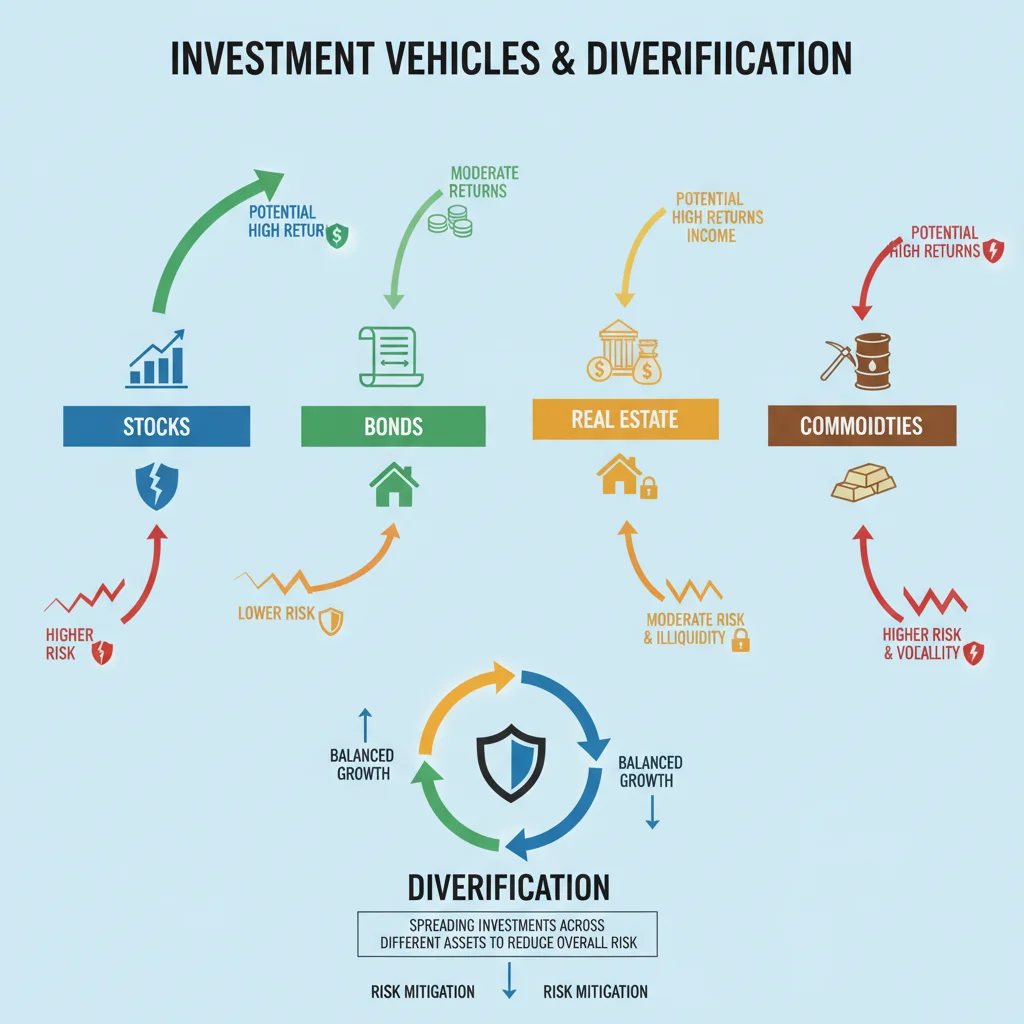
Diversification is Key
No single investment guarantees protection against inflation, so diversification across various asset classes is crucial. This spreads risk and increases the likelihood that at least some of your investments will perform well.
Inflation-Resistant Asset Classes
Real Estate: Historically, real estate has been a good hedge against inflation. Property values and rental income tend to rise with inflation, providing both capital appreciation and passive income. However, it’s important to consider local market conditions and interest rates.
Stocks (Equities): Companies with strong pricing power (the ability to raise prices without losing customers) or those in sectors that benefit from inflation (e.g., energy, materials) can perform well. Look for businesses with robust balance sheets and consistent earnings growth. Dividend-paying stocks can also provide a steady income stream that can partially offset inflation.
Treasury Inflation-Protected Securities (TIPS): These are U.S. Treasury bonds that are indexed to inflation. Their principal value adjusts with the Consumer Price Index (CPI), protecting investors from the erosive effects of rising prices. They offer a guaranteed real rate of return.
Commodities: Raw materials like gold, silver, oil, and agricultural products often see their prices increase during inflationary times. However, commodity markets can be volatile, so they should be approached with caution and typically represent a smaller portion of a diversified portfolio.
Value Stocks: These are stocks that trade at a lower price relative to their fundamentals (earnings, dividends, sales). In an inflationary environment, value stocks can sometimes outperform growth stocks as investors seek tangible assets and established profitability.
Reviewing Your Retirement Accounts
Ensure your 401(k), IRA, and other retirement accounts are appropriately allocated. If you’re heavily invested in bonds that offer low fixed returns, your purchasing power in retirement could be significantly diminished. Consult with a financial advisor to ensure your retirement portfolio is structured to withstand inflationary pressures, especially as 2026 inflation strategies become more critical.
Pillar 3: Income Generation & Career Development
While managing expenses and investing wisely are crucial, increasing your income is arguably the most direct way to combat inflation. Your ability to earn more means you have more capital to work with, both for daily expenses and for investments.
Negotiating Salary and Seeking Raises
Don’t be afraid to ask for what you’re worth. Regularly research salary benchmarks for your role and industry. When inflation is high, it provides a strong argument for a cost-of-living adjustment (COLA) or a performance-based raise that at least matches, if not exceeds, the inflation rate.
Developing New Skills and Career Advancement
Invest in yourself. Acquire new skills that are in demand in the job market. This could involve certifications, online courses, or even pursuing higher education. Enhancing your professional value makes you more marketable, increases your earning potential, and provides greater job security during uncertain economic times. This is a powerful long-term 2026 inflation strategy.
Exploring Side Hustles and Passive Income Streams
Consider ways to supplement your primary income. Side hustles like freelancing, consulting, driving for ride-sharing services, or selling crafts online can provide extra cash. Additionally, explore passive income opportunities such as dividend stocks, rental properties (if feasible), or creating digital products. These streams can provide a vital buffer against rising costs.
Pillar 4: Adapting Your Lifestyle and Consumption Habits
Inflation often necessitates a re-evaluation of our consumption patterns. Being adaptable and resourceful can significantly soften the blow of rising prices.
Embracing Frugality and Mindful Consumption
This isn’t about living without, but about living smarter. Embrace a mindset of conscious consumption:
Delayed Gratification: Postpone non-essential large purchases. Prices might stabilize, or you might find better deals later.
DIY and Repair: Learn basic DIY skills for home repairs and maintenance. Repairing items rather than replacing them can save significant money.
Second-Hand and Sharing Economy: Utilize thrift stores, consignment shops, and online marketplaces for clothing, furniture, and other goods. Participate in the sharing economy for tools, vehicles, or even skills.
Home Cooking and Meal Prep: Eating out is often one of the first budget items to be cut. Prioritize home-cooked meals, which are usually healthier and far more economical.
Building Resilience Through Community and Local Resources
Leverage your community. Local farmers’ markets can sometimes offer better prices on fresh produce than large supermarkets. Consider joining or starting a local skill-sharing network or a bulk-buying club. Supporting local businesses can also contribute to the local economy’s resilience.
Pillar 5: Seeking Professional Financial Guidance
Navigating inflationary periods can be complex, and the best strategies often depend on your individual financial situation, risk tolerance, and long-term goals. A qualified financial advisor can provide personalized insights and help you craft a robust plan tailored to your needs.
When to Consult a Financial Advisor
If you have significant assets and want to ensure they are protected and growing.
If you are nearing retirement and need to adjust your portfolio for income generation and inflation protection.
If you are overwhelmed by the options and need help creating a comprehensive financial plan.
If you want to optimize your investment strategy to specifically combat inflation.
A good advisor can help you understand the nuances of various investment vehicles, tax implications, and how to align your financial decisions with your life goals, making your 2026 inflation strategies more effective.
Conclusion: Proactive Steps for Financial Resilience
The projected 4% inflation rate for 2026 presents a significant challenge for U.S. households, but it is not an insurmountable one. By adopting a proactive and multi-faceted approach, you can not only mitigate the negative effects but also position yourself for greater financial resilience. The key lies in understanding the economic landscape, meticulously managing your budget, strategically investing, actively seeking to increase your income, and adapting your consumption habits.
Start today by reviewing your current financial situation, setting realistic goals, and implementing these 2026 inflation strategies. Small, consistent steps taken now can lead to substantial long-term benefits, ensuring that your purchasing power remains strong and your financial future secure, regardless of economic headwinds. Remember, financial stability in an inflationary environment is not about luck; it’s about informed decisions and disciplined action.
Matheus Neiva has a degree in Communication and a specialization in Digital Marketing. Working as a writer, he dedicates himself to researching and creating informative content, always seeking to convey information clearly and accurately to the public.