2026 Labor Market: Unemployment at 3.8% and Economic Impacts

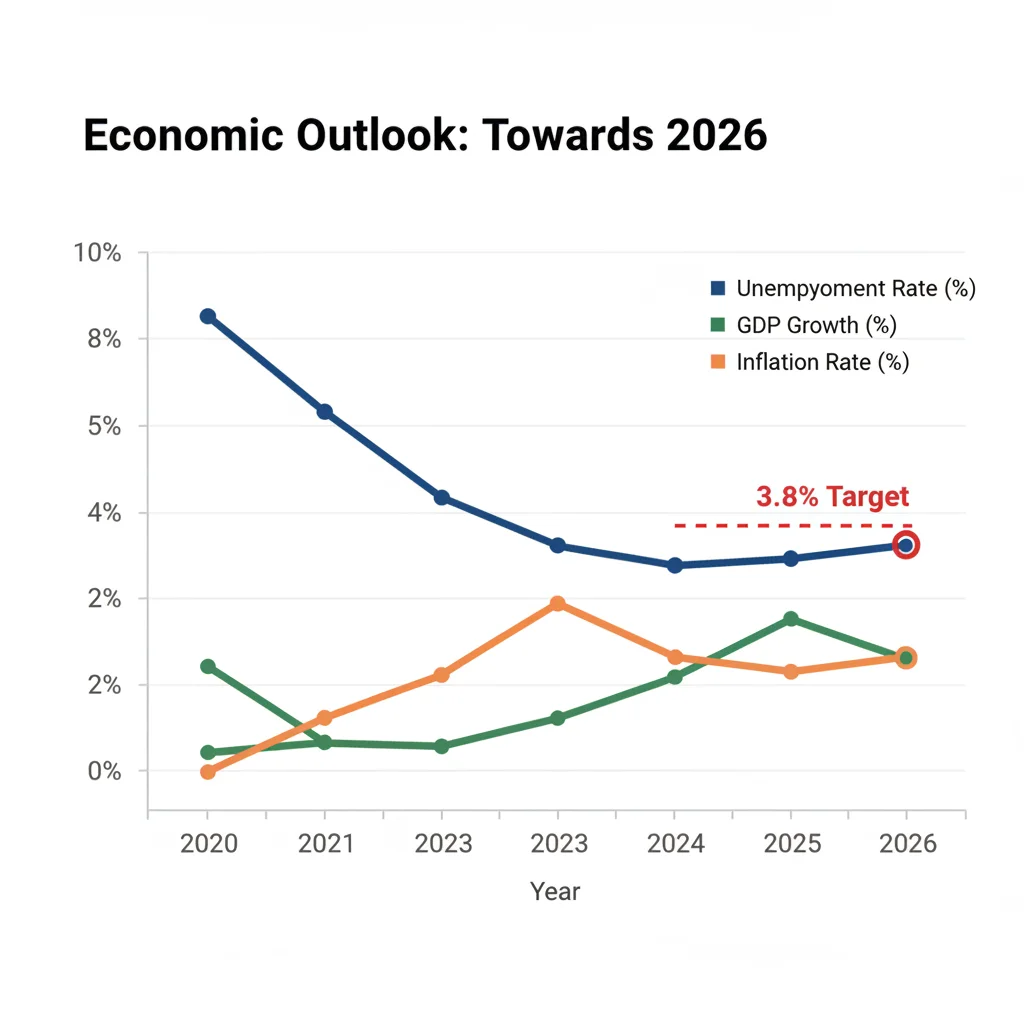
The global economy is a dynamic and ever-evolving entity, constantly shaped by technological advancements, geopolitical shifts, and demographic changes. As we look ahead to 2026, economists and policy makers are keenly focused on understanding the trajectory of the labor market. Recent projections indicate a fascinating scenario: unemployment rates are anticipated to hover around 3.8%. This figure, while seemingly low and indicative of a robust economy, carries with it a complex web of economic implications that warrant a deep dive. Understanding the nuances of this 2026 labor market forecast is crucial for businesses, job seekers, educators, and governments alike.
A 3.8% unemployment rate typically signifies a tight labor market, where the demand for skilled workers often outstrips supply. This environment can lead to increased wage growth, which, while beneficial for workers, can also fuel inflationary pressures. For businesses, a tight labor market means intensified competition for talent, potentially driving up recruitment costs and necessitating innovative strategies for employee retention. Moreover, it highlights the critical importance of workforce development and upskilling initiatives to meet the evolving demands of industries.
This comprehensive analysis will explore the multifaceted aspects of the 2026 labor market. We will delve into the factors contributing to this projected unemployment rate, examine its potential impacts on various sectors, and discuss the challenges and opportunities it presents. From the role of automation and artificial intelligence to the shifting demographics of the workforce, we will unpack the key trends that will define the employment landscape in the coming years. Our goal is to provide a clear, insightful, and actionable understanding of what a 3.8% unemployment rate in 2026 truly means for the economy and for individuals.
Understanding the 3.8% Unemployment Rate Projection for the 2026 Labor Market
The projection of a 3.8% unemployment rate in 2026 is a significant economic indicator that warrants careful examination. To fully grasp its implications, it’s essential to understand what this figure represents and the underlying economic forces driving it. Historically, an unemployment rate below 4% is often considered indicative of ‘full employment,’ a state where nearly everyone who wants a job can find one. This typically suggests a healthy and expanding economy with strong job creation.
Factors Contributing to the Low Unemployment Forecast
Several key factors are likely to contribute to this anticipated low unemployment rate in the 2026 labor market:
- Sustained Economic Growth: A foundational element for low unemployment is consistent economic growth. Projections often assume a steady, albeit potentially moderate, expansion of GDP, which translates into increased demand for goods and services, and consequently, labor.
- Demographic Shifts: The aging population in many developed nations plays a dual role. While it can lead to a shrinking labor force participation rate as older workers retire, it also creates opportunities for younger generations to fill those vacated positions, maintaining a balance in the unemployment figures.
- Technological Advancements and Innovation: While often feared for job displacement, technological advancements, particularly in areas like AI, automation, and green technologies, also create entirely new industries and job categories. The demand for specialists in these emerging fields can significantly boost employment.
- Government Policies and Investments: Fiscal and monetary policies, including infrastructure spending, investments in education and training, and supportive business regulations, can stimulate job growth and reduce unemployment. Policies aimed at fostering innovation and entrepreneurship also contribute to a dynamic job market.
- Resilience of the Global Supply Chain: A more stable and resilient global supply chain, compared to recent disruptions, could lead to more consistent production and fewer layoffs, thus contributing to lower unemployment.
Defining ‘Full Employment’ in the Modern Context
The concept of ‘full employment’ has evolved. It doesn’t mean zero unemployment, as there will always be some level of frictional unemployment (people temporarily between jobs) and structural unemployment (mismatch between available jobs and worker skills). A 3.8% rate suggests that these natural forms of unemployment are at historically low levels, indicating that the vast majority of individuals actively seeking work are finding it. This is a crucial distinction when interpreting the 2026 labor market forecast.
However, it’s important to note that a low unemployment rate doesn’t automatically equate to a universally positive economic scenario. The quality of jobs, wage growth, income inequality, and labor force participation rates are equally vital metrics for a holistic understanding of the labor market’s health. While 3.8% is a strong indicator, a deeper dive into these other factors is necessary to paint a complete picture of the 2026 labor market.
Economic Implications of a 3.8% Unemployment Rate
A projected unemployment rate of 3.8% in 2026, while generally positive, brings forth a series of significant economic implications that will ripple through various facets of society. These implications affect businesses, workers, consumers, and government policy. Understanding these potential impacts is crucial for strategic planning and adaptation in the upcoming years.
Impact on Wage Growth and Inflation
One of the most direct consequences of a tight 2026 labor market is upward pressure on wages. When fewer people are unemployed, employers must compete more aggressively for available talent, often by offering higher salaries, better benefits, and improved working conditions. This can lead to:
- Increased Purchasing Power: Higher wages can boost consumer spending, which is a significant driver of economic growth. Workers with more disposable income are likely to spend more, stimulating demand across various sectors.
- Inflationary Pressures: While wage growth is beneficial for workers, if it outpaces productivity gains, it can contribute to cost-push inflation. Businesses may pass increased labor costs onto consumers through higher prices for goods and services. Central banks will closely monitor this dynamic, as it could influence monetary policy decisions, potentially leading to interest rate adjustments.
Challenges for Businesses: Talent Acquisition and Retention
For businesses, a 3.8% unemployment rate presents both opportunities and significant challenges:
- Intensified Competition for Talent: Companies will face fierce competition to attract and retain skilled employees. This necessitates robust recruitment strategies, attractive compensation packages, and a strong organizational culture.
- Increased Labor Costs: Higher wages and benefits can squeeze profit margins, particularly for businesses in sectors with lower productivity growth or intense price competition.
- Focus on Employee Retention: Businesses will need to invest more in employee engagement, professional development, and creating positive work environments to prevent high turnover. Reskilling and upskilling current employees will become even more critical than before.
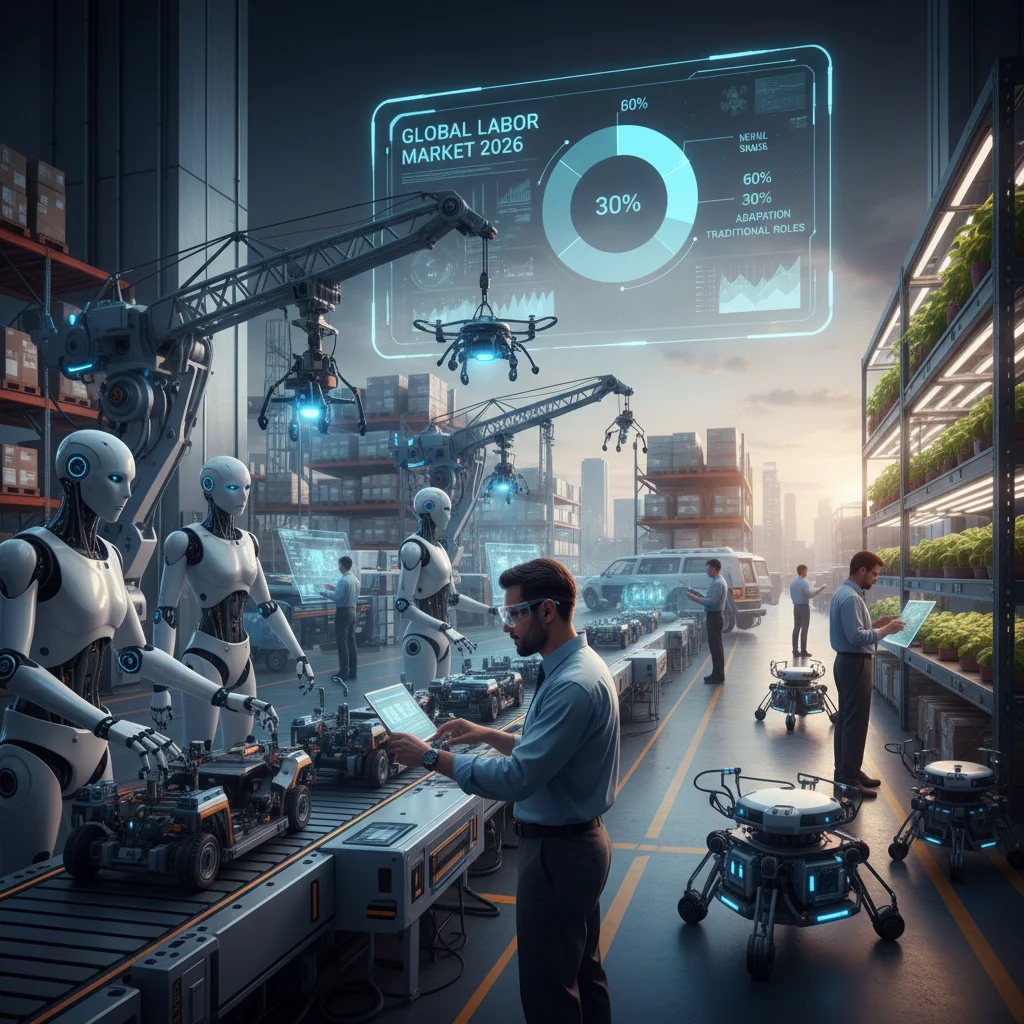
- Adoption of Automation and AI: To mitigate rising labor costs and address labor shortages, businesses may accelerate their adoption of automation, artificial intelligence, and other labor-saving technologies. This could lead to a shift in the types of jobs available, emphasizing roles that complement technology rather than being replaced by it.
Consumer Spending and Economic Growth
A low unemployment rate generally correlates with strong consumer confidence and spending. When people feel secure in their jobs and have stable incomes, they are more likely to make significant purchases, invest, and contribute to the overall economy. This can lead to:
- Robust Retail Sales: Sectors like retail, hospitality, and entertainment often thrive in periods of low unemployment and high consumer confidence.
- Increased Housing Market Activity: Stable employment and income can support a healthy housing market, with more individuals able to afford homeownership or higher rents.
- Overall Economic Expansion: The combined effect of increased consumer spending and business investment typically results in sustained economic growth, reinforcing the positive cycle of job creation and prosperity.
Sector-Specific Analysis of the 2026 Labor Market
The impact of a 3.8% unemployment rate in the 2026 labor market will not be uniform across all industries. Different sectors will experience varying degrees of challenges and opportunities, largely depending on their susceptibility to technological disruption, demand for specialized skills, and overall growth trajectory. A granular look at specific sectors provides a more nuanced understanding of the future employment landscape.
Thriving Sectors: Technology, Healthcare, and Green Economy
Several sectors are poised for significant growth and will likely be key drivers of job creation in the 2026 labor market:
- Technology and Digital Transformation: The relentless pace of digital transformation continues to create high demand for professionals in software development, cybersecurity, data science, artificial intelligence, and cloud computing. Companies across all industries are investing heavily in digital infrastructure, ensuring a robust job market for tech talent.
- Healthcare and Biotechnology: An aging global population and advancements in medical science will continue to fuel demand in healthcare. This includes roles for doctors, nurses, allied health professionals, medical researchers, and specialists in biotechnology and pharmaceuticals. The focus on personalized medicine and preventative care will also open new avenues.
- Green Economy and Renewable Energy: The global push towards sustainability and climate change mitigation is creating a burgeoning ‘green economy.’ Jobs in renewable energy (solar, wind, geothermal), energy efficiency, sustainable agriculture, environmental engineering, and electric vehicle technology are expected to see substantial growth.
Sectors Facing Transformation: Manufacturing, Retail, and Administration
Other sectors will experience significant transformation, requiring adaptation from both employers and employees:
- Manufacturing: While traditional manufacturing jobs may decline due to automation and robotics, the sector will see a rise in demand for highly skilled workers who can design, operate, and maintain advanced manufacturing systems. Roles in robotics engineering, industrial data analysis, and supply chain optimization will be crucial.
- Retail: The shift towards e-commerce will continue to reshape the retail sector. While brick-and-mortar stores may see reduced staffing in some areas, there will be increased demand for roles in logistics, digital marketing, user experience (UX) design, and data analytics to support online operations.
- Administrative and Office Support: Many routine administrative tasks are increasingly being automated through AI and software solutions. This will necessitate a shift for administrative professionals towards roles requiring higher-level problem-solving, project management, and human-centric skills.
The Gig Economy and Flexible Work Arrangements
The 2026 labor market will also likely see a continued expansion of the gig economy and flexible work arrangements. Driven by technological platforms and a desire for greater autonomy, more individuals may opt for freelance, contract, or part-time work. This offers flexibility for workers and cost-efficiency for businesses but also raises questions about worker benefits, social security, and labor protections. Companies will need to adapt their HR strategies to effectively manage a hybrid workforce comprising both traditional employees and gig workers.
Understanding these sector-specific dynamics is vital for policymakers to design targeted education and training programs, for businesses to plan their workforce strategies, and for individuals to make informed career choices in the evolving 2026 labor market.
Challenges and Opportunities for the 2026 Labor Market
While a 3.8% unemployment rate signals a strong 2026 labor market, it is not without its complexities. This scenario presents a unique blend of challenges that need proactive solutions and significant opportunities for growth and innovation. Addressing these aspects will be crucial for sustainable economic prosperity.
Key Challenges
- Skills Gap: One of the most pressing challenges in a tight labor market is the widening skills gap. As industries evolve rapidly, the skills possessed by the current workforce may not align with the demands of emerging jobs. This mismatch can lead to unfilled positions even with low unemployment, hindering economic growth.
- Wage-Price Spiral Risk: While wage growth is positive, if it becomes excessive and continually outpaces productivity, it can contribute to a wage-price spiral, where rising wages lead to higher prices, which in turn prompt demands for even higher wages, fueling inflation.
- Labor Force Participation: A low unemployment rate can sometimes mask issues with labor force participation, particularly among certain demographic groups. If a significant portion of the working-age population is not actively seeking employment, it can limit the available talent pool and potential economic output.
- Automation and Job Displacement: Despite creating new jobs, automation and AI will continue to displace workers in routine and manual tasks. Managing this transition, providing retraining, and ensuring a social safety net for affected individuals will be critical.
- Income Inequality: A tight labor market can exacerbate income inequality if the benefits of wage growth disproportionately favor highly skilled workers in high-demand fields, leaving behind those in lower-skilled or less competitive sectors.
Significant Opportunities
- Upskilling and Reskilling Initiatives: The demand for specialized skills creates a massive opportunity for educational institutions, businesses, and governments to invest in upskilling and reskilling programs. This can empower workers to adapt to new roles and improve their earning potential.
- Innovation and Productivity Growth: A tight labor market can incentivize businesses to invest more in technology and innovation to boost productivity. This can lead to the development of new products, services, and more efficient processes, fostering long-term economic growth.
- Diversity and Inclusion: With a limited talent pool, companies will be compelled to broaden their recruitment efforts, leading to increased diversity and inclusion in the workplace. Tapping into underrepresented groups can unlock new perspectives and drive innovation.
- Remote Work and Geographic Mobility: The continued normalization of remote and hybrid work models allows businesses to access talent beyond their immediate geographical area. This can help alleviate local labor shortages and offer greater flexibility to employees.
- Entrepreneurship and New Business Creation: A robust economy with low unemployment can foster an environment ripe for entrepreneurship. Individuals with innovative ideas may find it easier to secure funding and attract talent, leading to the creation of new businesses and further job growth.
Preparing for the 2026 Labor Market: Strategies for Workers and Businesses
Navigating the projected 2026 labor market with a 3.8% unemployment rate requires proactive strategies from both workers and businesses. Adaptation, continuous learning, and strategic planning will be paramount to thriving in this evolving economic landscape. Here’s how different stakeholders can prepare.
Strategies for Workers and Job Seekers
For individuals, the tight 2026 labor market presents both opportunities for career advancement and the necessity for continuous self-improvement:
- Embrace Lifelong Learning: The most critical strategy is to commit to lifelong learning. Identify in-demand skills in your industry and proactively seek out courses, certifications, and training programs. Focus on digital literacy, data analysis, critical thinking, problem-solving, and adaptability.
- Develop ‘Future-Proof’ Skills: Concentrate on developing skills that are less susceptible to automation, such as creativity, emotional intelligence, complex problem-solving, leadership, and interdisciplinary knowledge. These human-centric skills will be highly valued.
- Network Actively: In a competitive environment, professional networking becomes even more vital. Build connections within your industry, attend conferences, and leverage online platforms to expand your professional circle and uncover new opportunities.
- Be Adaptable and Flexible: The nature of work is changing. Be open to new work arrangements, such as remote work, hybrid models, or even transitioning to the gig economy if it aligns with your career goals and lifestyle.
- Understand Your Value: With high demand for talent, workers have increased leverage. Research market rates for your skills and experience, and be prepared to negotiate for competitive compensation and benefits.
Strategies for Businesses and Employers
Businesses must innovate their talent strategies to attract, develop, and retain employees in the competitive 2026 labor market:
- Invest in Workforce Development: Prioritize internal upskilling and reskilling programs for existing employees. It’s often more cost-effective to train current staff than to constantly recruit new talent. Offer clear career pathways and professional development opportunities.
- Re-evaluate Compensation and Benefits: To remain competitive, regularly review and adjust salary structures, benefits packages (including health, retirement, and wellness programs), and perks to meet market expectations and employee needs. Consider non-traditional benefits like mental health support or flexible work options.
- Foster a Positive Work Culture: Create an inclusive, supportive, and engaging work environment. A strong company culture, coupled with transparent communication and opportunities for employee feedback, can significantly boost retention and attract new talent.
- Leverage Technology Strategically: Implement automation and AI not just for cost savings, but to augment human capabilities, streamline workflows, and free up employees for higher-value tasks. Use data analytics to optimize recruitment processes and understand employee engagement.
- Embrace Diversity and Inclusion: Actively seek out diverse talent pools. Implement inclusive hiring practices and foster an environment where all employees feel valued and have opportunities to succeed. This expands your talent options and brings diverse perspectives.
- Consider Remote and Hybrid Models: If feasible, adopt flexible work arrangements to access a broader talent pool and enhance employee satisfaction. Develop clear policies and provide the necessary tools and support for effective remote collaboration.
Government and Educational Institutions’ Role
Governments and educational institutions also have a vital role in shaping the 2026 labor market:
- Align Education with Industry Needs: Educational institutions must work closely with industries to ensure curricula are aligned with future job demands, particularly in STEM fields and emerging technologies.
- Support Vocational Training: Invest in vocational and technical training programs that provide practical skills for in-demand trades and technical roles.
- Policy Support for Lifelong Learning: Governments can incentivize businesses to invest in employee training and offer tax credits or subsidies for individuals pursuing further education and skill development.
- Research and Development: Fund research and development in key areas to foster innovation, create new industries, and generate future job opportunities.
By adopting these proactive strategies, all stakeholders can effectively navigate the complexities and capitalize on the opportunities presented by the 2026 labor market’s projected 3.8% unemployment rate, ensuring a resilient and prosperous economic future.
Conclusion: Navigating the Future of the 2026 Labor Market
The projection of a 3.8% unemployment rate for the 2026 labor market paints a picture of an economy operating near full employment, signaling robust demand for labor and sustained economic growth. This scenario, while generally positive, is not without its intricate layers of challenges and opportunities that demand careful consideration and strategic planning from all economic participants. The insights gleaned from analyzing this forecast underscore the transformative forces at play, particularly technological advancements, demographic shifts, and the evolving nature of work itself.
For businesses, the coming years will be defined by an intensified war for talent, necessitating innovative approaches to recruitment, competitive compensation, and, crucially, a steadfast commitment to employee development and retention. Investing in upskilling and reskilling programs will not merely be a perk but a strategic imperative to bridge the skills gap and maintain a competitive edge. Furthermore, embracing diversity, fostering inclusive work environments, and strategically leveraging automation and AI will be key to unlocking new efficiencies and expanding talent pools beyond traditional boundaries.
Workers, on the other hand, are presented with a landscape rich in opportunities for career growth and professional advancement. However, this demands a proactive stance towards lifelong learning and the continuous development of ‘future-proof’ skills. Adaptability, critical thinking, digital literacy, and human-centric attributes like emotional intelligence will be invaluable currencies in the 2026 labor market. The ability to pivot, embrace new technologies, and remain agile in a rapidly changing professional environment will define individual success.
The broader economic implications, including potential wage growth and inflationary pressures, will require vigilant monitoring by policymakers and central banks to maintain economic stability. Government and educational institutions have a pivotal role in ensuring that the workforce is adequately prepared for the jobs of tomorrow by aligning curricula with industry needs, supporting vocational training, and incentivizing continuous learning.
In essence, the 2026 labor market, characterized by a low 3.8% unemployment rate, is a testament to an economy in transition. It is a period that promises significant advancements and opportunities but also calls for a collective effort to address inequalities, manage technological disruption, and ensure that the benefits of economic growth are widely shared. By understanding these dynamics and implementing forward-thinking strategies, we can collectively navigate this evolving landscape, fostering a resilient, innovative, and inclusive future of work.
The journey to 2026 will be one of continuous adaptation and strategic foresight. For individuals and organizations alike, the time to prepare for this dynamic labor market is now, ensuring that we are not just observers, but active participants in shaping a prosperous future.
Related Posts: