
The 2026 Mindful Shopping Blueprint: Slash Impulse Buys by 30% This Month
In an era of instant gratification and endless consumer choices, the allure of impulse buying is stronger than ever. From targeted ads on social media to enticing discounts that scream ‘limited time offer,’ our wallets are constantly under siege. But what if you could regain control? What if you could significantly reduce those unplanned purchases, saving money, reducing clutter, and fostering a deeper sense of financial well-being? Welcome to the mindful shopping blueprint for 2026, a comprehensive guide designed to help you slash impulse buys by a remarkable 30% this very month.
The concept of mindful shopping blueprint isn’t just about saving money; it’s about cultivating a more conscious relationship with your possessions and your finances. It’s about understanding the ‘why’ behind your purchases and ensuring that every item entering your life serves a purpose, brings genuine joy, or fulfills a true need. This isn’t a restrictive diet for your spending habits; it’s a sustainable lifestyle change that empowers you to make intentional choices.
We live in a world where consumerism often dictates our desires. The average person is bombarded with thousands of marketing messages daily, skillfully crafted to tap into our emotions, insecurities, and aspirations. This constant exposure makes us vulnerable to impulse purchases – those spur-of-the-moment decisions that often lead to buyer’s remorse, debt, and unnecessary clutter. Research consistently shows that a significant portion of our spending is unplanned. Imagine redirecting 30% of that unplanned spending towards savings, investments, or experiences that truly enrich your life. This mindful shopping blueprint will show you how.
Understanding the Psychology of Impulse Buying
Before we dive into the practical steps of the mindful shopping blueprint, it’s crucial to understand why we fall prey to impulse buys. It’s not simply a lack of willpower; it’s a complex interplay of psychological triggers and environmental factors.
Emotional Triggers
Often, impulse buying is a response to our emotional state. Feeling stressed, sad, bored, or even overly excited can lead us to seek comfort or a temporary high through shopping. The act of purchasing releases dopamine, a neurotransmitter associated with pleasure and reward, creating a fleeting sense of satisfaction. This emotional connection can be incredibly powerful, making it difficult to resist the urge.
The Fear of Missing Out (FOMO)
Limited-time offers, flash sales, and exclusive deals tap into our fear of missing out. We worry that if we don’t buy it now, we’ll regret it later. This sense of urgency can override rational decision-making, pushing us to click ‘add to cart’ without proper consideration.
Convenience and Accessibility
The rise of e-commerce and one-click purchasing has made shopping incredibly convenient. Our phones are always within reach, and with saved payment details, a purchase is just a tap away. This ease of access significantly lowers the barrier to impulse buying.
Social Influence
Seeing what friends, influencers, or celebrities are buying can also trigger impulse purchases. We might feel pressure to keep up with trends or emulate a certain lifestyle, leading us to buy things we don’t genuinely need or can’t afford.
Environmental Cues
Clever store layouts, strategic product placements, and eye-catching displays are all designed to encourage additional purchases. Online, personalized recommendations and ‘frequently bought together’ suggestions serve the same purpose.
Recognizing these triggers is the first critical step in implementing your mindful shopping blueprint. By understanding what drives your impulses, you can begin to develop strategies to counteract them.
Phase 1: Preparation – Setting the Foundation for Mindful Shopping
The success of any blueprint lies in solid preparation. This initial phase of the mindful shopping blueprint focuses on establishing the right mindset and practical tools to support your goal of reducing impulse buys by 30%.
1. Define Your ‘Why’
Why do you want to reduce impulse buying? Is it to save for a down payment, pay off debt, reduce clutter, or simply gain more control over your finances? Clearly articulating your motivation will serve as a powerful anchor when temptation strikes. Write it down, make it visible, and revisit it often.
2. Track Your Spending (The Awareness Phase)
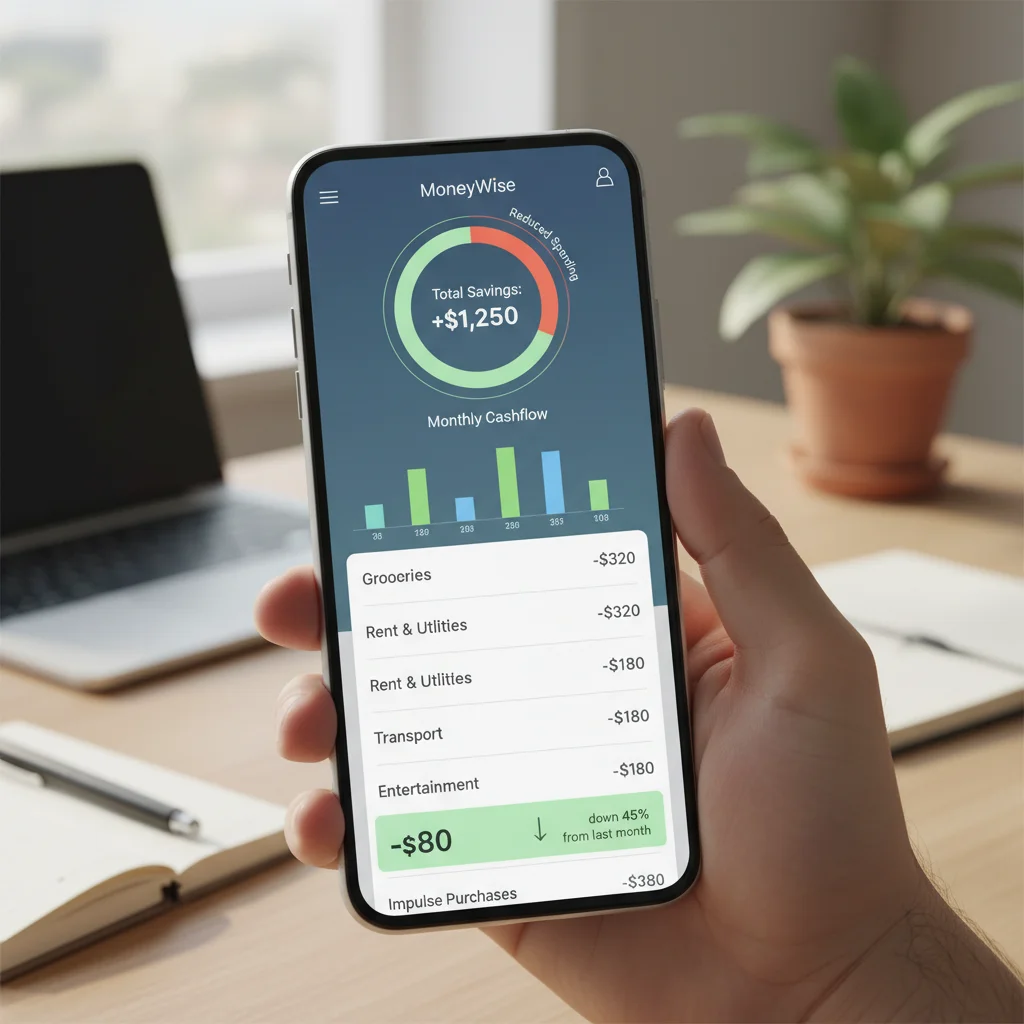
You can’t manage what you don’t measure. For one week, or even better, for a full month, meticulously track every single purchase. Use a budgeting app, a spreadsheet, or even a simple notebook. Categorize each expense, especially noting any impulse buys. This exercise will provide invaluable insight into your current habits and highlight areas where you’re most vulnerable. This data is fundamental to the mindful shopping blueprint.
3. Set Clear Financial Goals
Beyond the ‘why,’ establish concrete financial goals. How much do you want to save this month? What specific debt do you want to tackle? Having clear targets makes it easier to say ‘no’ to non-essential purchases, as you can directly see how that money could contribute to your goals.
4. Create a Budget (and Stick to It)
A budget isn’t about restriction; it’s about allocation. It’s a roadmap for your money. Allocate funds for essentials (housing, food, transportation), savings, and discretionary spending. When you know exactly how much you have for ‘wants,’ impulse buys become much harder to justify. This is a cornerstone of the mindful shopping blueprint.
5. Declutter Your Space
Before you even think about buying new things, take time to declutter your existing possessions. When you see how much you already own, and perhaps how many unused items you’ve accumulated from past impulse buys, it can be a powerful deterrent against acquiring more. A tidy space also fosters a clearer mind, making mindful decisions easier.
Phase 2: Execution – Implementing Mindful Shopping Strategies
With a strong foundation in place, it’s time to put the mindful shopping blueprint into action. These strategies are designed to intercept impulse urges and encourage thoughtful consideration.
6. The 24/48-Hour Rule
This is perhaps one of the most effective tools in your mindful shopping blueprint arsenal. For any non-essential item you’re considering buying, impose a mandatory waiting period of 24 or 48 hours. Add it to your cart, but don’t check out. Bookmark the page. Walk away. During this time, ask yourself:
- Do I truly need this?
- Do I already own something similar?
- Does it align with my values and financial goals?
- Will I still want this tomorrow/the day after?
- Can I afford this without compromising my budget?
You’ll be surprised how often the urge dissipates, or you realize the item isn’t as essential as you first thought.
7. Unsubscribe and Unfollow
Digital clutter is just as dangerous as physical clutter when it comes to impulse buying. Unsubscribe from marketing emails from retailers that tempt you. Unfollow social media accounts that constantly showcase products you don’t need or create a sense of inadequacy. Reduce your exposure to triggers, and you’ll reduce the urges. This proactive step is crucial for an effective mindful shopping blueprint.
8. Create a Shopping List (and Stick to It)
Whether it’s for groceries, clothes, or household items, always go shopping with a list. This forces you to plan your purchases in advance and prevents you from wandering aimlessly, which often leads to impulse buys. If it’s not on the list, it doesn’t go in the cart.
9. Pay with Cash or Debit (Avoid Credit Cards for Impulse Buys)
Using cash or a debit card for discretionary spending creates a more tangible connection to your money. Swiping a credit card can feel abstract, making it easier to overspend. When you see your bank balance decrease in real-time, it provides a powerful reality check. If you must use a credit card, ensure it’s linked to a strict budget and you can pay it off immediately.
10. Practice Mindful Browsing
If you enjoy browsing online or in stores, transform it into a mindful activity. Instead of aimlessly scrolling, consciously observe the items. Appreciate their design, craftsmanship, or utility without the immediate pressure to buy. Treat it like visiting a museum – you can appreciate art without needing to own it. This shift in perspective is a core component of the mindful shopping blueprint.
11. Identify Your Impulse Triggers and Develop Alternatives
From your spending tracker, identify patterns. Do you tend to shop when you’re stressed? Bored? Lonely? Once you know your triggers, you can develop healthier coping mechanisms. Instead of shopping, try:
- Taking a walk or exercising
- Calling a friend or family member
- Engaging in a hobby
- Reading a book
- Practicing meditation or mindfulness
Replacing the habit of impulse buying with a more constructive activity is key to long-term success with your mindful shopping blueprint.
Phase 3: Sustaining the Change – Long-Term Mindful Living
Achieving a 30% reduction in impulse buys this month is a fantastic start, but the ultimate goal of the mindful shopping blueprint is to cultivate lasting change. This phase focuses on integrating mindful shopping into your everyday life.
12. The One-In, One-Out Rule
For certain categories (like clothes, books, or kitchen gadgets), adopt the ‘one in, one out’ rule. If you buy something new, something similar must leave your home. This prevents clutter, encourages thoughtful purchases, and makes you truly consider the value of new items versus existing ones.
13. Repair, Repurpose, or Borrow First
Before buying something new, consider if you can repair an existing item, repurpose something you already own, or borrow it from a friend or library. This not only saves money but also promotes sustainability and reduces waste. This is a powerful extension of the mindful shopping blueprint, moving beyond just avoiding impulse buys to actively seeking alternatives.
14. Invest in Quality, Not Quantity
Shift your mindset from accumulating many cheap items to investing in fewer, high-quality pieces that will last longer and serve you better. While the initial cost might be higher, the long-term value and reduced need for replacements often make it a more economical and satisfying choice.
15. Regularly Review Your Progress
At the end of the month, revisit your spending tracker. How did you do? Where did you succeed? Where were the challenges? Celebrate your wins and learn from your setbacks without judgment. Adjust your budget and strategies as needed. Continuous evaluation is vital for refining your mindful shopping blueprint.
16. Practice Gratitude
Cultivating gratitude for what you already have can significantly reduce the desire for more. Take time each day to appreciate your possessions, your experiences, and the abundance in your life. When you feel content with what you have, the urge to shop impulsively diminishes.

Advanced Strategies for the 2026 Mindful Shopper
For those ready to take their mindful shopping blueprint to the next level, consider these advanced tactics:
17. Implement a ‘No-Spend’ Challenge
Challenge yourself to a ‘no-spend’ day, weekend, or even a full week. During this period, you only spend money on absolute necessities (food, essential bills). This exercise can be incredibly revealing, highlighting how much you typically spend on non-essentials and building your ‘no’ muscle.
18. Automate Your Savings
Make saving an automatic process. Set up regular transfers from your checking to your savings account immediately after you get paid. This ensures that your financial goals are prioritized, making it harder to justify impulse purchases with money that’s already earmarked for your future.
19. Shop with a Purpose (The ‘Needs vs. Wants’ Filter)
Before every purchase, run it through a rigorous ‘needs vs. wants’ filter. A ‘need’ is something essential for survival or well-being (food, shelter, basic clothing). A ‘want’ is something that improves comfort or enjoyment but isn’t critical. While it’s okay to indulge in wants occasionally, conscious differentiation prevents excessive impulse buying.
20. Understand the True Cost
Beyond the price tag, consider the true cost of an item. This includes the environmental impact of its production, the labor conditions of its creators, and the space it will take up in your home. A deeper understanding of these factors can make you think twice about frivolous purchases, aligning your spending with your values. This holistic approach is a hallmark of the advanced mindful shopping blueprint.
The Benefits of Embracing the Mindful Shopping Blueprint
Adopting a mindful shopping blueprint extends far beyond simply saving money. The ripple effects can positively impact various aspects of your life:
- Improved Financial Health: The most obvious benefit. Reduced impulse buys mean more money for savings, investments, debt repayment, or experiences.
- Reduced Clutter and Stress: A less cluttered home leads to a less cluttered mind. Fewer unnecessary possessions mean less to organize, clean, and worry about.
- Greater Environmental Impact: Conscious consumption often means buying less, choosing sustainable products, and reducing waste, contributing to a healthier planet.
- Increased Satisfaction: When every purchase is intentional and serves a purpose, you’ll likely feel more satisfied with your possessions and less prone to buyer’s remorse.
- Enhanced Self-Control: Successfully resisting impulse urges builds mental fortitude and self-discipline that can translate to other areas of your life.
- Deeper Understanding of Values: Mindful shopping forces you to reflect on what truly matters to you, aligning your spending with your core values and priorities.
Conclusion: Your Journey to Mindful Consumption in 2026
The 2026 mindful shopping blueprint is not a one-time fix but a continuous journey of self-awareness and intentional decision-making. By understanding the psychology behind impulse buys, preparing with clear goals and tracking, and implementing practical strategies, you can absolutely achieve your goal of slashing impulse purchases by 30% this month – and maintain that momentum for a lifetime.
Remember, progress, not perfection, is the key. There will be times when you slip up, and that’s perfectly normal. The important thing is to acknowledge it, learn from it, and get back on track with your mindful shopping blueprint. Each conscious choice you make is a step towards greater financial freedom, a more organized life, and a deeper sense of contentment.
Start today. Choose one strategy from this blueprint and commit to it. Over time, these small, consistent actions will transform your relationship with money and consumption, paving the way for a more intentional and fulfilling life in 2026 and beyond. Your wallet, your home, and your peace of mind will thank you.