
Understanding ESG Investing Principles: A 2026 Guide to Socially Responsible Portfolio Building
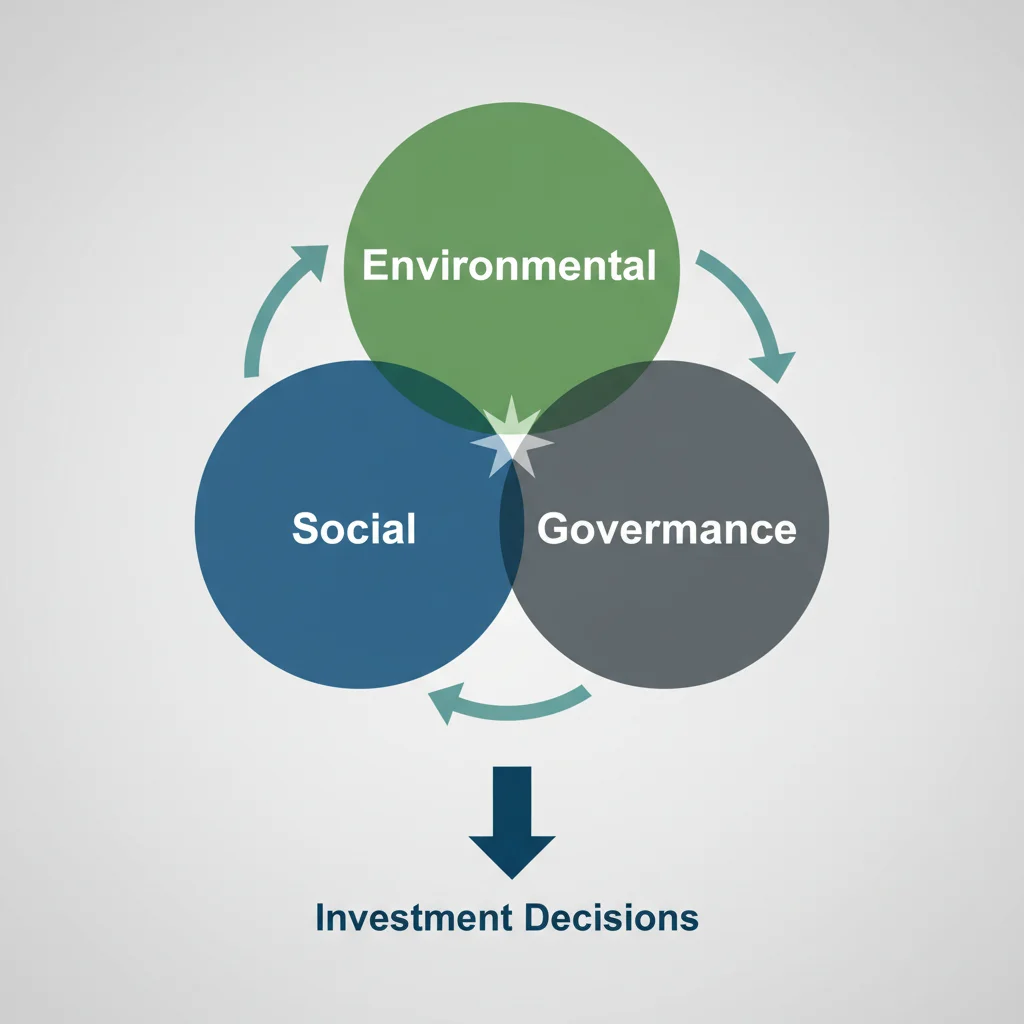
In an increasingly interconnected world, where the impact of business decisions reverberates across communities and ecosystems, the landscape of investment is undergoing a profound transformation. Gone are the days when financial returns were the sole metric of success. Today, investors are keenly aware that the long-term viability and ethical standing of a company are inextricably linked to its environmental, social, and governance (ESG) practices. This shift has propelled ESG investing principles to the forefront of financial strategy, moving from a niche consideration to a mainstream imperative. As we look towards 2026 and beyond, a deep understanding of these principles is not just beneficial; it’s essential for building resilient, impactful, and profitable portfolios.
This comprehensive guide will delve into the core ESG investing principles, demystifying what they entail and how they are applied in real-world investment scenarios. We’ll explore the evolution of ESG, dissect each component – Environmental, Social, and Governance – and provide a roadmap for incorporating these critical factors into your investment decisions. Whether you are a seasoned investor seeking to refine your approach or a newcomer eager to make a positive difference with your capital, this article will equip you with the knowledge to navigate the complex yet rewarding world of socially responsible investing.
The Evolution of ESG: From Niche to Mainstream Mandate
The concept of ethical investing is not new, with roots stretching back to religiously motivated investment exclusions centuries ago. However, the modern iteration of socially responsible investing (SRI) began to gain traction in the latter half of the 20th century, largely driven by divestment campaigns against apartheid in South Africa and concerns over tobacco and weapons industries. While SRI primarily focused on exclusionary screening – avoiding companies involved in certain undesirable activities – ESG represents a more sophisticated and holistic approach.
The term ‘ESG’ itself gained prominence in the early 2000s, notably through a landmark 2006 United Nations report titled ‘Who Cares Wins’, which highlighted how embedding environmental, social, and governance factors into financial markets could lead to more sustainable outcomes. Since then, the momentum has been undeniable. Regulatory bodies, institutional investors, and individual shareholders alike have increasingly recognized that strong ESG performance is a powerful indicator of a company’s long-term resilience, innovation capacity, and overall quality of management. This realization has cemented ESG investing principles as a cornerstone of contemporary financial analysis.
Today, ESG is not merely about avoiding ‘bad’ companies; it’s about actively seeking out and investing in ‘good’ companies that demonstrate robust practices across all three dimensions. It’s about understanding how a company manages its environmental footprint, treats its employees and communities, and maintains transparent and accountable leadership. The integration of ESG investing principles into investment frameworks is no longer a moral luxury but a strategic necessity, driven by empirical evidence linking strong ESG performance to reduced risk, enhanced returns, and improved corporate reputation.
Dissecting the ‘E’ in ESG: Environmental Stewardship
The ‘E’ in ESG stands for Environmental, encompassing a company’s impact on the natural world and how it manages environmental risks and opportunities. This pillar is perhaps the most visible and widely discussed, given the escalating global concerns about climate change, resource depletion, and pollution. When evaluating a company through the lens of environmental ESG investing principles, investors consider a broad spectrum of factors.
Climate Change and Carbon Footprint
A primary focus is a company’s contribution to climate change, specifically its greenhouse gas (GHG) emissions. This includes direct emissions from its operations (Scope 1), indirect emissions from purchased energy (Scope 2), and other indirect emissions across its value chain (Scope 3). Investors look for companies with clear targets for reducing emissions, investments in renewable energy, and strategies for transitioning to a low-carbon economy. The ability to adapt to climate-related physical risks, such as extreme weather events, and transition risks, like evolving carbon regulations, is also crucial.
Resource Management and Circular Economy
Environmental principles also scrutinize a company’s approach to natural resources. This involves water usage efficiency, waste generation and management (with an emphasis on recycling and circular economy models), and sustainable sourcing of raw materials. Companies that are actively reducing their consumption, reusing materials, and recycling waste are often seen as more forward-thinking and less susceptible to resource scarcity and price volatility.
Pollution and Biodiversity
Beyond carbon, companies’ impacts on air and water quality, land use, and biodiversity are vital. This includes preventing chemical spills, managing hazardous waste, and protecting sensitive ecosystems. Investors seek companies that demonstrate a commitment to minimizing pollution and actively contributing to biodiversity conservation efforts, recognizing that a healthy environment underpins long-term economic stability.
Integrating these environmental ESG investing principles into analysis helps investors identify companies that are not only mitigating risks but also innovating for a sustainable future. Such companies are often better positioned to adapt to regulatory changes, attract environmentally conscious consumers, and unlock new market opportunities in the green economy.
Exploring the ‘S’ in ESG: Social Responsibility
The ‘S’ in ESG represents Social, focusing on a company’s relationships with its employees, customers, suppliers, and the communities in which it operates. This pillar recognizes that a company’s success is deeply intertwined with its human capital and its broader societal impact. Adhering to strong social ESG investing principles can significantly enhance a company’s reputation, foster employee loyalty, and reduce operational risks.
Employee Relations and Labor Practices
Key considerations here include fair labor practices, employee health and safety, diversity and inclusion, and employee development. Investors look for companies with strong policies on human rights, fair wages, reasonable working hours, and a commitment to preventing child labor or forced labor in their supply chains. A positive workplace culture, low employee turnover, and robust training programs are often indicators of sound social management.
Customer Satisfaction and Product Responsibility
How a company treats its customers is another crucial social factor. This includes product quality and safety, data privacy and security, and ethical marketing practices. Companies that prioritize customer satisfaction, handle complaints effectively, and ensure the safety and reliability of their products and services build trust and long-term loyalty. The increasing importance of data privacy means that companies with strong data governance frameworks are viewed more favorably.
Community Engagement and Human Rights
A company’s impact on local and global communities is also assessed. This involves philanthropy, community investment, and respect for human rights across its operations and supply chain. Companies that engage positively with local communities, provide employment opportunities, and ensure their operations do not negatively impact indigenous populations or vulnerable groups demonstrate strong social responsibility. Understanding the full scope of social ESG investing principles allows investors to identify companies that are not only financially sound but also contribute positively to society.
Grasping the ‘G’ in ESG: Governance Excellence
The ‘G’ in ESG stands for Governance, referring to the internal system of practices, controls, and procedures a company uses to govern itself, make effective decisions, comply with the law, and meet the needs of external stakeholders. Strong governance ESG investing principles are fundamental to ensuring accountability, transparency, and ethical leadership, which are crucial for long-term corporate health and investor confidence.
Board Composition and Structure
Investors scrutinize the composition of a company’s board of directors, looking for diversity in terms of gender, ethnicity, skills, and experience. An independent board, where a significant portion of directors are not employees or closely related to the company, is often preferred as it can provide objective oversight. The separation of CEO and Chair roles is another common governance best practice aimed at preventing conflicts of interest and concentrating power.
Executive Compensation and Shareholder Rights
Transparency and fairness in executive compensation are key governance concerns. Excessive or poorly structured executive pay can signal misaligned incentives and a lack of accountability. Furthermore, investors assess how well a company protects shareholder rights, including voting rights, access to information, and the ability to voice concerns. Companies that actively engage with shareholders and respond to their feedback typically exhibit stronger governance.
Ethics, Transparency, and Compliance
At the heart of governance is a company’s ethical culture, its commitment to transparency, and its compliance with laws and regulations. This includes anti-corruption policies, whistleblower protection, robust internal controls, and clear codes of conduct. Companies with a history of ethical breaches, fines, or regulatory non-compliance often raise red flags for investors concerned about governance risks. Adhering to sound governance ESG investing principles ensures that a company is managed responsibly and sustainably, safeguarding shareholder value and maintaining public trust.
Integrating ESG into Your Investment Strategy: A Step-by-Step Approach
Now that we’ve dissected the individual components of ESG, the next crucial step is understanding how to effectively integrate these ESG investing principles into your personal or institutional investment strategy. This isn’t a one-size-fits-all process, as individual values, financial goals, and risk tolerances will vary. However, a structured approach can help you navigate the options and build a portfolio that truly reflects your commitment to sustainability and responsible practices.
1. Define Your ESG Goals and Values
Before diving into specific investments, take time to clarify what ESG means to you. Are you primarily concerned with environmental protection, social justice, or robust corporate governance? Perhaps a combination of all three? Do you want to avoid certain industries entirely (negative screening), or do you prefer to actively seek out companies making a positive impact (positive screening/impact investing)? Your personal values will guide your investment choices and help you prioritize which ESG investing principles are most important.
2. Research and Data Collection
Once your goals are clear, the next step involves researching companies and funds. Numerous resources are available, including ESG ratings from agencies like MSCI, Sustainalytics, and Refinitiv, which assess companies’ ESG performance. Company sustainability reports, annual reports, and investor relations pages also provide valuable insights. Look for transparency, measurable targets, and verifiable progress in their ESG initiatives. Understanding how these ratings are derived and what specific ESG investing principles they prioritize is crucial for informed decision-making.
3. Choose Your ESG Investment Approach
There are several ways to apply ESG investing principles:
- Negative Screening: Excluding companies or industries based on specific ESG criteria (e.g., fossil fuels, tobacco, controversial weapons).
- Positive Screening: Investing in companies that demonstrate strong ESG performance relative to their peers or industry benchmarks.
- Impact Investing: Directly investing in companies, organizations, or funds with the explicit intention to generate measurable social and environmental impact alongside a financial return.
- ESG Integration: Systematically including ESG factors in financial analysis and investment decision-making across all asset classes, recognizing their material impact on risk and return.
- Thematic Investing: Focusing on specific sustainability themes, such as clean energy, water scarcity, or sustainable agriculture.
- Shareholder Engagement: Using shareholder power to influence corporate behavior on ESG issues through voting and dialogue.
4. Select Appropriate Investment Vehicles
You can apply ESG investing principles through various investment vehicles:
- ESG Funds (ETFs and Mutual Funds): These funds are managed by professionals who select companies based on specific ESG criteria. They offer diversification and ease of access.
- Individual Stocks: For those who prefer direct ownership, you can research and invest in individual companies that align with your ESG values.
- Green Bonds/Social Bonds: These are fixed-income instruments specifically designed to fund projects with environmental or social benefits.
- Private Equity/Venture Capital: For accredited investors, there are opportunities to invest in private companies focused on sustainable innovations.
5. Monitor and Rebalance Your Portfolio
ESG is not a static field. Companies’ ESG performance can evolve, new regulations may emerge, and your own values might shift. Regularly monitor your investments to ensure they continue to align with your ESG investing principles and financial objectives. Rebalance your portfolio as needed to maintain your desired ESG exposure and risk profile. This continuous engagement is vital for the long-term success of your socially responsible portfolio.

The Business Case for ESG: Beyond Ethics to Financial Performance
While the ethical imperative behind ESG investing principles is compelling, a growing body of evidence suggests that integrating ESG factors can also lead to superior financial performance. This ‘business case’ for ESG has been a significant driver in its mainstream adoption, demonstrating that doing good and doing well are not mutually exclusive.
Risk Mitigation
Companies with strong ESG practices are often better managed and more resilient to various risks. For example, robust environmental management can reduce regulatory fines and operational disruptions from environmental disasters. Strong social practices can lead to lower employee turnover, higher productivity, and fewer labor disputes. Good governance can prevent scandals, fraud, and mismanagement, thereby protecting shareholder value. By identifying and managing these non-financial risks, adhering to ESG investing principles helps investors avoid potential pitfalls and preserve capital.
Enhanced Returns and Innovation
Research indicates that companies with high ESG ratings can outperform their peers over the long term. This outperformance can stem from several factors: improved operational efficiency (e.g., lower energy costs), better access to capital (as more ESG-conscious investors seek these assets), enhanced brand reputation, and the ability to attract top talent. Furthermore, companies focused on sustainability are often at the forefront of innovation, developing new products and services that address pressing global challenges, thereby opening up new market opportunities and revenue streams. These innovative approaches are often born from a deep commitment to ESG investing principles.
Regulatory Compliance and Future-Proofing
Governments worldwide are increasingly implementing regulations related to climate change, labor standards, and corporate governance. Companies that proactively integrate ESG investing principles are better positioned to meet these evolving requirements, reducing the risk of non-compliance and associated penalties. By anticipating future trends and regulations, these companies are effectively future-proofing their business models, making them more attractive long-term investments.
Challenges and Criticisms of ESG Investing
Despite its growing popularity and compelling rationale, ESG investing is not without its challenges and criticisms. Acknowledging these complexities is crucial for a balanced perspective and for refining the application of ESG investing principles.
Greenwashing Concerns
One of the most significant criticisms is ‘greenwashing,’ where companies or funds make exaggerated or misleading claims about their ESG credentials without genuine commitment or measurable impact. This can deceive investors and undermine the credibility of the entire ESG movement. Vigilant due diligence and reliance on credible, third-party verified data are essential to combat greenwashing.
Data Inconsistencies and Lack of Standardization
The absence of a universal standard for ESG reporting and ratings can lead to inconsistencies. Different ratings agencies may use varying methodologies, weighting different ESG investing principles, leading to divergent scores for the same company. This makes it challenging for investors to compare companies accurately and can create confusion. Efforts are underway globally to standardize ESG disclosures, but a unified framework is still some way off.
Performance Debate
While many studies suggest a positive correlation between strong ESG performance and financial returns, some critics argue that ESG investing may lead to underperformance due to narrower investment universes or higher costs. The debate often centers on specific time horizons, market conditions, and the methodologies used in performance analysis. It’s important for investors to understand that ESG integration is a long-term strategy, and short-term fluctuations should be expected.
Materiality and Subjectivity
Determining which ESG factors are ‘material’ (i.e., financially significant) for a specific industry or company can be subjective. What is material for an energy company might be less so for a software company. The subjective nature of some social and governance factors can also make objective measurement difficult, leading to debates about the true impact of certain ESG investing principles.
The Future of ESG Investing Principles: Towards 2026 and Beyond
As we advance towards 2026, the trajectory of ESG investing principles points towards even deeper integration, greater standardization, and an increased focus on measurable impact. Several key trends are expected to shape the future of this investment paradigm.
Enhanced Data and Analytics
The quality and availability of ESG data are continuously improving. We can expect more sophisticated analytics tools, artificial intelligence, and machine learning to process vast amounts of non-financial data, providing investors with more granular and reliable insights into companies’ ESG performance. This will help address current data inconsistencies and improve the accuracy of ESG ratings.
Regulatory Harmonization
There will likely be continued global efforts to standardize ESG reporting frameworks and disclosures. Initiatives from organizations like the IFRS Foundation (with its International Sustainability Standards Board – ISSB) aim to create a global baseline for sustainability reporting, which will bring much-needed clarity and comparability for investors applying ESG investing principles.
Focus on Impact and Real-World Outcomes
Beyond simply assessing risks and opportunities, there will be a growing emphasis on the actual, measurable impact of investments. Investors will increasingly demand evidence of how their capital is contributing to positive environmental and social outcomes, pushing companies to report not just on their ESG processes but on their real-world contributions to sustainable development goals.
Integration Across Asset Classes
While equity markets have led the way, ESG investing principles will become more deeply embedded across all asset classes, including fixed income, private markets, and alternative investments. This holistic approach will ensure that sustainability considerations are systematically integrated throughout the entire investment ecosystem.
Active Ownership and Engagement
Shareholder engagement will intensify, with institutional investors using their influence to push companies towards better ESG practices. This active ownership approach will be a powerful force for change, encouraging companies to adopt more sustainable and responsible business models. The dialogue between investors and companies on ESG investing principles will become more sophisticated and outcome-oriented.
Conclusion: Building a Sustainable Future Through Smart Investment
The journey of understanding and applying ESG investing principles is one of continuous learning and adaptation. As the world grapples with complex challenges ranging from climate change to social inequality, the role of finance in driving positive change has never been more critical. By consciously integrating Environmental, Social, and Governance factors into investment decisions, investors are not merely adhering to a trend; they are participating in a fundamental reshaping of capitalism itself.
For 2026 and beyond, a mastery of ESG investing principles will be a hallmark of sophisticated and forward-thinking investors. It’s about recognizing that a company’s long-term success is intrinsically linked to its ability to operate responsibly, ethically, and sustainably. By building portfolios that reflect these principles, investors can not only aim for competitive financial returns but also contribute to a more equitable, resilient, and sustainable future for all. Embrace ESG, and let your investments be a force for good.