Frugal US Travel: Explore America Under $50/Day in 2026
Dreaming of exploring the vast landscapes and vibrant cities of the United States without breaking the bank? This guide is your ultimate resource for achieving frugal US travel, demonstrating how to comfortably navigate America for under $50 a day in 2026. Discover expert tips on accommodation, food, transportation, and free activities.
By: Matheus Neiva on July 28, 2026
Last updated on: July 31, 2026
Frugal US Travel: Explore America Under $50/Day in 2026
Are you dreaming of exploring the vast and diverse landscapes of the United States, but worried about the notoriously high costs? What if we told you that experiencing the wonders of America doesn’t have to drain your bank account? In fact, with careful planning and smart strategies, you can embark on an incredible journey across the US for less than $50 a day in 2026. This comprehensive guide is your ultimate handbook to achieving frugal US travel, proving that adventure is accessible to everyone, regardless of budget.
The perception of US travel often conjures images of expensive hotels, pricey meals, and costly transportation. While these elements can certainly be part of a trip, they are by no means the only way to experience the country. This article will delve into actionable strategies and insider tips to help you maximize your budget, stretching every dollar further so you can focus on making unforgettable memories. From mastering budget accommodation to savoring affordable local eats and navigating efficient, low-cost transportation, we’ve got you covered.
Get ready to redefine your travel expectations and discover how to unlock the beauty and excitement of the United States without financial stress. Let’s dive into the world of frugal US travel!
Understanding the $50-a-Day Challenge for Frugal US Travel
Before we break down the specifics, it’s crucial to understand what a $50-a-day budget truly entails for frugal US travel. This budget covers your essential daily expenses: accommodation, food, and transportation within a specific location. It typically excludes major flights to and from the US, long-distance inter-state travel (though we’ll discuss minimizing these costs), and significant splurges on souvenirs or high-end experiences. The goal is to live like a local, embrace simplicity, and prioritize experiences over luxuries.
Achieving this budget requires a mindset shift. It means being open to alternatives, doing your research, and sometimes sacrificing a little comfort for significant savings. But don’t mistake ‘frugal’ for ‘miserable.’ With the right approach, traveling under $50 a day can be incredibly rewarding, leading to more authentic experiences and deeper connections with the places you visit.
Setting Realistic Expectations for Your Budget
While $50 a day is an ambitious target for cheap travel America, it is absolutely achievable in many parts of the US. However, it’s important to acknowledge that some major metropolitan areas (e.g., New York City, San Francisco, Los Angeles) will present a greater challenge. For these cities, you might need to be even more disciplined or consider slightly higher daily allowances for a short period. Conversely, smaller towns, rural areas, and less popular states offer fantastic opportunities to easily stay within your budget.
This guide will focus on strategies that are broadly applicable, but always remember to tailor your approach to your specific destinations. Flexibility is your best friend when pursuing frugal US travel.
Mastering Accommodation: Your Biggest Savings Opportunity
Accommodation is often the largest expense for any traveler, and it’s where you can make the most significant impact on your $50 daily budget. Forget fancy hotels; we’re talking about smart, community-driven, and sometimes unconventional sleeping arrangements.
Hostels: Your Social and Affordable Hub
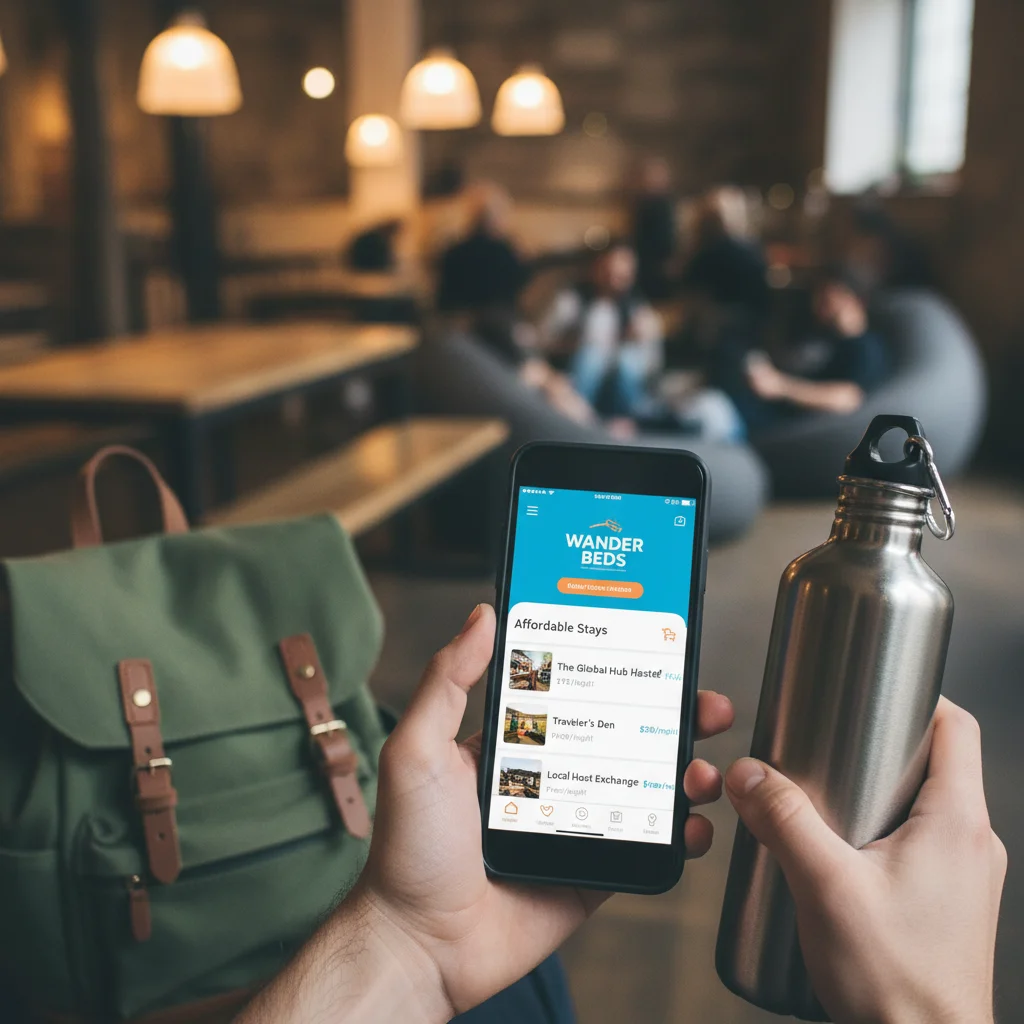
Hostels are no longer just for young backpackers; many offer clean, safe, and friendly environments for all ages. A bed in a dormitory can range from $20 to $40 per night in many US cities. Look for hostels with communal kitchens, which will save you money on food, and free activities like walking tours, which provide entertainment without extra cost. Websites like Hostelworld and Booking.com are excellent resources for finding and comparing hostel prices.
Couchsurfing: Free Accommodation and Local Connections
For the truly budget-conscious and socially inclined, Couchsurfing offers free accommodation with local hosts. This platform allows you to stay on someone’s couch or in a spare room, often gaining invaluable insights into local culture and making new friends. Always prioritize safety by checking host reviews and profiles thoroughly. This is an unparalleled way to experience authentic travel America.
Camping and National Parks: Embrace the Outdoors
The US boasts an incredible network of national and state parks, offering stunning natural beauty and very affordable camping options. Many campgrounds charge between $10 and $30 per night for a tent site. If you have camping gear, this is an unbeatable way to see some of the country’s most iconic landscapes on a shoestring budget. Websites like Recreation.gov allow you to reserve campsites well in advance, which is highly recommended, especially for popular parks.
Alternative Stays: House Sitting and Work Exchange
For longer stays, consider house-sitting (websites like TrustedHousesitters or HouseCarers) or work exchange programs (like Workaway or WWOOF). These options provide free accommodation in exchange for looking after pets, maintaining a home, or helping with farm work. While they require a time commitment, they can drastically reduce your expenses and offer unique cultural experiences, making affordable US destinations even more accessible.
Budget Motels: When You Need a Private Room
If hostels aren’t your style and camping isn’t an option, budget motel chains like Motel 6, Super 8, or Econo Lodge can sometimes offer rooms for $50-$70 outside major city centers, especially during off-peak seasons. These are often found along highways and are a good option for road trips where you need a quick overnight stop. Always check reviews before booking.
Fueling Your Adventure: Eating Smart on a Budget
Food can quickly devour your budget if you’re not careful. To achieve frugal US travel, cooking your own meals and seeking out affordable dining options are key.
Grocery Stores are Your Best Friends
The absolute best way to save money on food is to buy groceries and prepare your own meals. Look for supermarkets like Walmart, Aldi, or local grocery chains. Stock up on staples like bread, peanut butter, jelly, pasta, rice, canned goods, fresh fruit, and vegetables. If your accommodation has a kitchen, utilize it! Even without a full kitchen, you can prepare no-cook meals like sandwiches, salads, and instant oatmeal.
Picnics and Packed Lunches
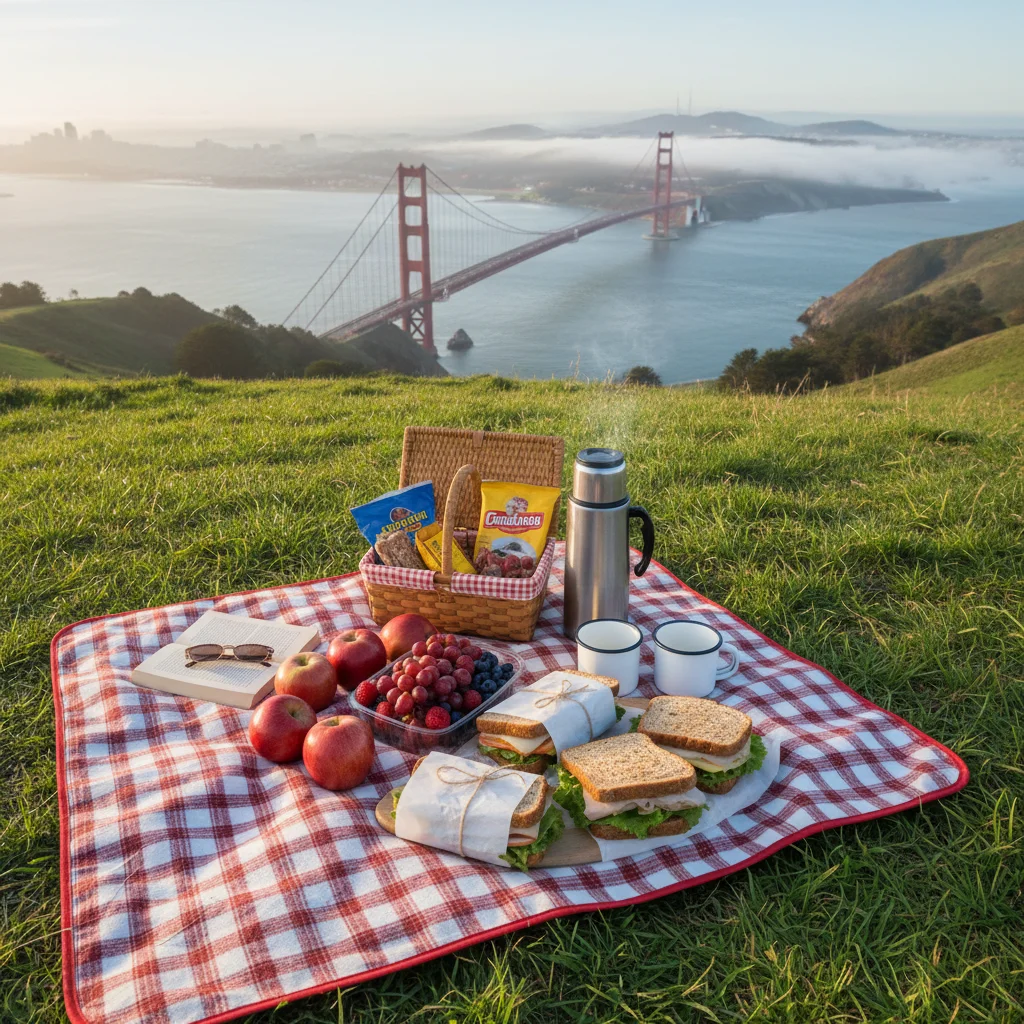
Instead of eating out for lunch, pack a picnic. Grab some bread, cheese, deli meat, and fruit from a grocery store, find a scenic park, and enjoy a budget-friendly meal with a view. This not only saves money but also offers a more relaxed and enjoyable dining experience, perfect for US road trip budget planning.
Street Food and Food Trucks
In many US cities, street food vendors and food trucks offer delicious and often inexpensive meals. Tacos, hot dogs, falafel, and various ethnic cuisines can be found for under $10 a serving. This is a great way to sample local flavors without the restaurant price tag.
Happy Hour and Early Bird Specials
If you do want to experience a restaurant, look for happy hour deals (often on drinks and appetizers) or early bird specials. Many establishments offer discounted meals or smaller portions at lower prices during off-peak hours. Use apps like Yelp or Google Maps to search for budget-friendly restaurants in your area.
Free Water and Reusable Bottles
Avoid buying bottled water. Carry a reusable water bottle and refill it at public fountains, cafes (ask politely), or your accommodation. This saves money and is better for the environment, a simple yet effective travel hack 2026.
Navigating the US: Affordable Transportation Strategies
Transportation can be another major budget buster, especially in a country as vast as the US. However, smart planning can significantly reduce these costs, making frugal US travel a reality.
Public Transportation in Cities
In major cities, utilize public transportation – subways, buses, and light rail. A single ride typically costs between $1.50 and $3.00, and daily or weekly passes can offer even better value if you plan to use it frequently. Google Maps is excellent for navigating public transport routes and schedules. Avoid taxis and ride-sharing services (Uber/Lyft) unless absolutely necessary, as their costs add up quickly.
Buses for Inter-City Travel
For longer distances between cities, inter-city buses like Greyhound, Megabus, and FlixBus are often the cheapest option. Booking in advance usually yields the best prices, sometimes as low as $1 for a cross-state journey (though these are rare and sell out fast). These journeys can be long, but they are a cornerstone of cheap travel America.
Carpooling and Ride-Sharing for Road Trips
If you’re planning a road trip, carpooling with fellow travelers can split fuel and rental costs. Websites and apps like BlaBlaCar (though less prevalent in the US than Europe) or even dedicated Facebook groups for travelers can help you find ride-shares. If renting a car, opt for the smallest, most fuel-efficient model and book through discount sites. Consider renting from non-airport locations to avoid extra fees.
Walking and Biking: Free and Healthy
The cheapest and healthiest way to get around is on foot or by bicycle. Many cities are becoming more pedestrian and bike-friendly. Explore neighborhoods by walking, and consider renting a bike for a day (many cities have bike-share programs) to cover more ground. This is an excellent way to experience the local atmosphere and discover hidden gems, enhancing your frugal US travel experience.
Hitchhiking (with caution)
While not for everyone and requiring extreme caution and awareness of local laws, hitchhiking can be a free mode of transportation in certain rural areas. Always prioritize your safety, trust your instincts, and research the safety of hitchhiking in specific regions before considering it.
Free and Low-Cost Activities: Experience More for Less
You don’t need to spend a fortune to have incredible experiences in the US. Many of the best attractions and activities are free or very inexpensive, perfectly aligning with traveling under $50 a day.
National Parks and Public Lands
While some national parks have entrance fees (typically $20-$35 per vehicle), an America the Beautiful Pass ($80 for an annual pass) grants access to all national parks and federal recreational lands for a year. If you plan to visit multiple parks, this pass is an incredible value. Many state parks also offer affordable day-use fees or free entry. Hiking, picnicking, wildlife viewing, and stargazing are all free once you’re inside.
Free Walking Tours and Self-Guided Exploration
Many cities offer free walking tours led by local guides (tips are expected and appreciated). These are fantastic for getting an overview of a city’s history and culture. Alternatively, create your own self-guided walking tours using maps and online resources to explore neighborhoods, historical sites, and public art installations.
Museums and Galleries: Free Admission Days
Numerous museums and art galleries across the US offer free admission days or hours, especially in larger cities. Check their websites in advance for schedules. Some smaller, local museums might also be free year-round. Public libraries often host free events, lectures, or exhibits as well.
Beaches, Parks, and Scenic Drives
The US is blessed with stunning natural beauty. Spend time at its beautiful beaches (often free access), explore city parks, or embark on scenic drives (fuel costs apply, but the views are priceless). These activities offer relaxation and breathtaking scenery without any admission fees, making them perfect for frugal US travel.
Local Events and Festivals
Look for free local events, concerts in the park, farmers’ markets, and festivals. These are wonderful opportunities to immerse yourself in the local culture, enjoy entertainment, and often find affordable food options. Check local tourism websites or community calendars for listings.
Strategic Planning for Frugal US Travel in 2026
Effective planning is the backbone of any successful budget trip. Here’s how to strategize for frugal US travel in 2026.
Travel During the Off-Season
Prices for accommodation, flights (if you’re flying between regions), and even some attractions are significantly lower during the off-season. This typically means avoiding summer (June-August) and major holidays. Shoulder seasons (spring and fall) often offer a sweet spot of good weather and fewer crowds/lower prices, ideal for budget travel America.
Flexibility with Dates and Destinations
Being flexible with your travel dates and even your destinations can lead to substantial savings. Use flight comparison tools with flexible date options, and be open to exploring less-traveled (and often less expensive) regions of the US.
Book in Advance (But Know When to Wait)
For flights, popular hostels, and national park campsites, booking well in advance can secure better rates. However, for some last-minute accommodation deals (especially outside peak season), waiting might sometimes yield discounts. Use your discretion and research typical pricing trends for your chosen destinations.
Travel Insurance: A Non-Negotiable Budget Item
While it adds to your upfront cost, travel insurance is crucial. Unexpected medical emergencies or trip cancellations can easily blow your $50-a-day budget out of the water. Consider a basic plan that covers medical emergencies and trip interruptions. It’s a small investment for peace of mind, an essential travel hack 2026.
Create a Detailed Daily Budget (and Stick to It)
Before you leave, create a realistic daily budget breakdown: e.g., $25 for accommodation, $15 for food, $10 for local transportation/activities. Track your spending daily using a simple spreadsheet or a budgeting app. This awareness is vital for staying on track with your travel under $50 a day goal.
Essential Gear for the Frugal US Traveler
Packing smart can also contribute to your budget. Here’s what to consider for your frugal US travel adventure:
Reusable Water Bottle: Saves money and reduces waste.
Portable Utensils and Container: For packing leftovers or bringing your own food.
Basic First-Aid Kit: Avoids expensive pharmacy runs for minor ailments.
Power Bank: Keep your devices charged, especially if relying on them for navigation or booking.
Comfortable Walking Shoes: You’ll be doing a lot of walking!
Lightweight Backpack: Essential for carrying your daily essentials and avoiding luggage fees on buses/flights if you travel light.
Sleeping Bag Liner: Adds an extra layer of cleanliness and warmth in hostels or if camping.
Embracing the Frugal Mindset: More Than Just Saving Money
Frugal US travel is not just about cutting costs; it’s about adopting a particular mindset that enhances your travel experience. It encourages you to slow down, appreciate the simple things, and engage more deeply with your surroundings.
Connect with Locals
By staying in hostels, using Couchsurfing, or participating in work exchange programs, you’ll naturally meet more locals. These interactions can lead to insider tips, hidden gems, and even free experiences that you wouldn’t find in a guidebook. Locals can guide you to the cheapest and best eateries, tell you about free events, and share stories that enrich your journey.
Embrace the Unexpected
When you’re on a tight budget, you become more resourceful and open to spontaneous opportunities. A delayed bus might lead you to discover a charming small town. A friendly conversation could result in an invitation to a local gathering. These unplanned moments often become the most memorable parts of your trip.
Learn Basic Phrases
While English is the dominant language in the US, knowing a few basic Spanish phrases can be helpful in certain regions, particularly in the Southwest. More importantly, showing an effort to communicate in a local language (even if it’s just ‘hello’ and ‘thank you’) can open doors and foster positive interactions.
Digital Detox (or at least mindful use)
While your phone is a valuable tool for navigation and booking, don’t let it distract you from the present moment. Limit screen time and truly immerse yourself in the sights, sounds, and people around you. This makes your frugal US travel more meaningful.
Overcoming Challenges and Staying Motivated
Traveling on a tight budget can sometimes present challenges. You might encounter unexpected expenses, miss a connection, or feel fatigued. It’s important to be prepared for these moments and maintain a positive attitude.
Build in a Small Emergency Fund
Even with meticulous planning for travel under $50 a day, emergencies happen. Try to have a small buffer fund (e.g., $100-$200) for unforeseen circumstances like a minor medical issue, a lost item, or an unexpected transportation cost. This small safety net can prevent a minor hiccup from derailing your entire trip.
Embrace Simplicity and Minimalism
The less you carry, the easier and cheaper your travel will be. Pack light to avoid baggage fees and the hassle of lugging heavy bags around. A minimalist approach extends to your spending habits too; ask yourself if each purchase truly adds value to your experience or if it’s an unnecessary splurge.
Connect with Other Budget Travelers
Hostels and online forums are great places to meet other budget travelers. Sharing tips, experiences, and even splitting costs (e.g., for a rental car for a day trip) can make your journey more enjoyable and affordable. This communal aspect is a highlight of frugal US travel.
Remember Your ‘Why’
When you’re feeling tired or tempted to overspend, remind yourself why you chose to travel frugally. Is it to see more places? To have more authentic experiences? To prove to yourself that it’s possible? Keeping your motivations in mind will help you stay disciplined and appreciative of the journey.
Conclusion: Your Frugal US Travel Adventure Awaits in 2026
Exploring the United States on a budget of less than $50 a day in 2026 is not just a pipe dream; it’s an achievable and incredibly rewarding adventure. By embracing smart accommodation choices, cooking your own meals, utilizing affordable transportation, and seeking out free activities, you can unlock the diverse wonders of America without breaking the bank.
This guide has equipped you with the strategies and mindset needed for successful frugal US travel. Remember, flexibility, research, and a willingness to step outside your comfort zone are your greatest assets. The experiences you’ll gain, the people you’ll meet, and the memories you’ll create will be priceless, far exceeding any minor sacrifices you might make. So, pack your bags, prepare your budget, and get ready to embark on an unforgettable journey across the USA, proving that adventure doesn’t require a fortune.
Matheus Neiva has a degree in Communication and a specialization in Digital Marketing. Working as a writer, he dedicates himself to researching and creating informative content, always seeking to convey information clearly and accurately to the public.