Smart Spending 2026: Save 20% on Non-Essentials with Expert Tips

As we navigate the ever-evolving economic landscape, the concept of smart spending 2026 becomes not just a buzzword, but a crucial strategy for financial well-being. With inflation, technological advancements, and shifting consumer habits, understanding how to effectively manage your income and reduce non-essential spending is more vital than ever. This comprehensive guide will equip you with expert tips to allocate your income wisely, aiming to help you save an impressive 20% more on non-essential expenditures by 2026. Whether you’re a seasoned saver or just starting your financial journey, these insights will provide actionable steps to achieve your financial goals.
The Importance of Smart Spending in 2026
The year 2026 is projected to bring its own set of financial challenges and opportunities. Global economic shifts, technological innovations influencing consumption patterns, and the persistent need for personal financial resilience make smart spending 2026 a cornerstone of robust financial health. It’s not merely about cutting back; it’s about optimizing your resources, making informed decisions, and creating a sustainable financial future. By focusing on non-essentials, we target an area where most individuals have significant control and potential for savings without compromising their quality of life.
Understanding Your Income and Expenditure Landscape
Before you can save, you must first understand where your money is going. This involves a meticulous analysis of your income streams and all your expenditures. Many people underestimate how much they spend on non-essentials, which can range from daily coffee purchases to subscription services they rarely use. The first step towards smart spending 2026 is to gain absolute clarity on your financial flow. This foundational understanding will empower you to make targeted adjustments and identify areas for significant savings.
Step-by-Step Guide to Allocating Income for Maximum Savings
1. The 50/30/20 Rule Revisited for 2026
A classic budgeting principle, the 50/30/20 rule, suggests allocating 50% of your income to needs, 30% to wants (non-essentials), and 20% to savings and debt repayment. For smart spending 2026, we’re going to refine this. Our goal is to shift some of that 30% ‘wants’ category into savings, pushing your overall savings rate higher. Imagine if you could reduce your wants to 20% and boost your savings to 30% – that’s a significant leap towards financial freedom.
Actionable Tip: Categorize and Conquer
Start by meticulously categorizing every expense. Use a budgeting app or a simple spreadsheet. Distinguish clearly between needs (housing, utilities, groceries, transportation for work) and wants (dining out, entertainment, new gadgets, impulse buys). This clarity is paramount for effective income allocation.
2. Automate Your Savings First
One of the most effective strategies for smart spending 2026 is to pay yourself first. Set up an automatic transfer from your checking account to a savings or investment account the moment your paycheck hits. This ensures that your savings goal is met before you even have a chance to spend the money on non-essentials. Aim for that increased 20% savings target right from the start.
Actionable Tip: Multiple Savings Buckets
Consider creating different savings accounts for specific goals: an emergency fund, a down payment for a house, retirement, or a large purchase. This makes saving more tangible and motivating. Each bucket represents a step towards your financial objectives.
3. Ruthlessly Review Non-Essential Subscriptions and Services
The digital age has brought with it an explosion of subscription services. From streaming platforms to fitness apps, these recurring costs can quietly drain your budget. As part of your smart spending 2026 strategy, conduct a quarterly audit of all your subscriptions. Ask yourself: Do I use this regularly? Is it providing significant value? Can I get similar benefits for free or at a lower cost elsewhere?
Actionable Tip: The ‘One-In, One-Out’ Rule for Subscriptions
If you want to add a new subscription, commit to canceling an existing one of similar cost. This prevents subscription creep and keeps your non-essential spending in check.
4. Implement a ‘Cooling-Off’ Period for Purchases
Impulse buying is a major culprit in overspending on non-essentials. For any non-essential item over a certain amount (e.g., $50, $100), implement a 24-hour or even 72-hour ‘cooling-off’ period. Add the item to your cart, but don’t buy it immediately. Often, the urge to purchase diminishes, and you realize you don’t truly need it. This simple psychological trick is powerful for smart spending 2026.
Actionable Tip: Create a ‘Wish List’
Instead of buying immediately, add desired non-essential items to a digital or physical wish list. Review it periodically. You’ll often find that items you thought you desperately wanted no longer hold the same appeal.
5. Embrace Mindful Consumption and Value-Based Spending
Smart spending 2026 is deeply intertwined with mindful consumption. This means consciously evaluating the value and necessity of every purchase. Instead of buying something just because it’s on sale or because everyone else has it, consider its long-term utility, environmental impact, and alignment with your personal values. Value-based spending prioritizes quality over quantity and experiences over possessions.
Actionable Tip: The ‘Cost Per Use’ Metric
For more expensive non-essential items, consider the ‘cost per use.’ A $20 item you use once is more expensive than a $100 item you use 50 times. This perspective helps justify higher-quality, more durable purchases that ultimately save you money and reduce waste.
Leveraging Technology for Smart Spending in 2026
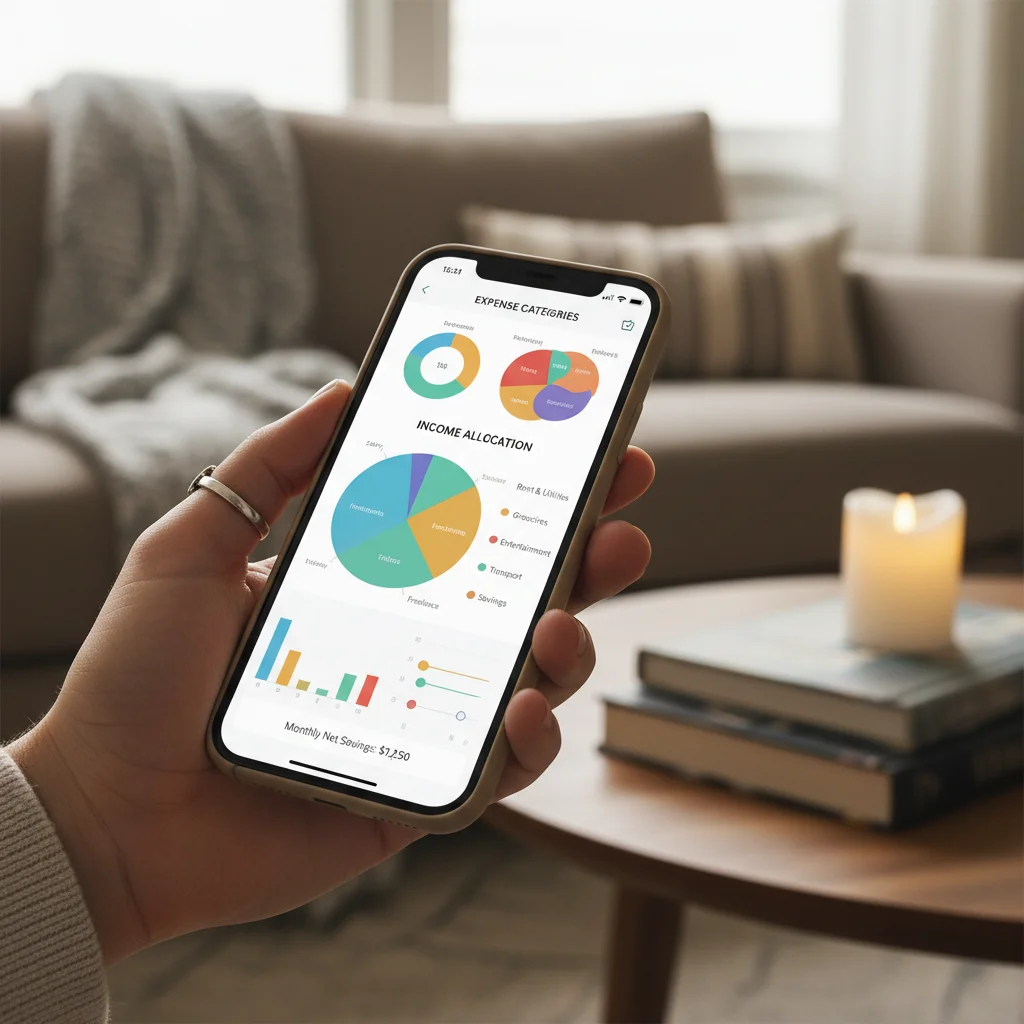
The year 2026 will undoubtedly offer even more sophisticated tools to assist with financial management. Embrace budgeting apps, financial trackers, and AI-powered personal finance assistants. These technologies can provide real-time insights into your spending habits, categorize transactions automatically, and even suggest areas for potential savings. They are invaluable allies in your quest for smart spending 2026.
Budgeting Apps: Your Digital Financial Coach
Modern budgeting apps go beyond simple tracking. They can link directly to your bank accounts, categorize transactions, set spending limits, and send alerts. Some even offer personalized advice based on your spending patterns. Utilize these tools to keep a tight rein on your non-essential spending and ensure you’re on track to save that extra 20%.
Actionable Tip: Explore App Features
Don’t just use the basic features. Dive deep into what your chosen budgeting app offers. Many have features like bill reminders, net worth tracking, and investment integration that can further enhance your financial management.
Price Comparison Tools and Deal Alerts
Before making any non-essential purchase, especially online, use price comparison websites and browser extensions. Set up deal alerts for items you plan to buy. This ensures you’re always getting the best possible price, effectively reducing the cost of your ‘wants’ and freeing up more money for savings. This is a simple yet powerful strategy for smart spending 2026.
Actionable Tip: Strategic Shopping
Combine deal alerts with seasonal sales and cashback programs. Plan your non-essential purchases around these opportunities to maximize your savings.
Advanced Strategies for Saving 20% More on Non-Essentials
1. The ‘No-Spend’ Challenge
Periodically challenge yourself to a ‘no-spend’ day, weekend, or even a week on non-essentials. This exercise forces you to be creative with your existing resources, highlights how much you rely on discretionary spending, and provides a significant boost to your savings. It’s an excellent reset button for your smart spending 2026 habits.
Actionable Tip: Define Your Rules Clearly
Before starting a no-spend challenge, define what constitutes ‘no-spend’ for you. Are essential groceries allowed? What about pre-paid subscriptions? Clarity prevents frustration and ensures success.
2. Renegotiate and Optimize Your Existing Services
Even essential services can have non-essential components or simply be overpriced. Regularly review your insurance policies, internet plans, and phone contracts. Contact providers to renegotiate rates or switch to more cost-effective options. Often, a simple phone call can lead to significant monthly savings that can be redirected from non-essentials to your savings fund.
Actionable Tip: Bundle and Save
Look for opportunities to bundle services (e.g., internet, TV, phone) for potential discounts. Also, explore less expensive alternatives like streaming-only TV or prepaid phone plans if they meet your needs.
3. Embrace DIY and Second-Hand Options
Before buying new non-essential items, consider whether you can DIY, borrow, or purchase second-hand. This applies to everything from home decor to clothing and entertainment. Websites, local markets, and community groups offer a plethora of pre-owned items that are often in excellent condition and significantly cheaper. This approach aligns perfectly with smart spending 2026 and sustainable living.
Actionable Tip: Skill-Sharing and Bartering
Explore skill-sharing platforms or community groups where you can exchange services or goods without monetary transactions. This can be a fun and effective way to reduce non-essential spending.
4. Re-evaluate Your Social and Entertainment Spending
Socializing and entertainment are important for well-being, but they often account for a large portion of non-essential spending. Look for free or low-cost alternatives. Instead of dining out, host a potluck. Instead of expensive concerts, explore local free events or outdoor activities. These adjustments can significantly impact your ability to save 20% more.
Actionable Tip: Plan Ahead for Fun
Create a weekly or monthly budget specifically for entertainment and social activities. Planning in advance helps you make conscious choices and prevents overspending in the moment.

The Psychology of Smart Spending: Shifting Your Mindset
Achieving your smart spending 2026 goals isn’t just about numbers; it’s also about mindset. Our relationship with money is deeply rooted in our beliefs, emotions, and habits. To truly save 20% more on non-essentials, you need to cultivate a healthier, more intentional approach to spending.
1. Delayed Gratification
The ability to delay gratification is a powerful financial muscle. Instead of instant satisfaction, focus on the long-term rewards of saving: financial security, freedom, and the ability to achieve bigger goals. Remind yourself that every dollar saved today contributes to a more prosperous tomorrow.
Actionable Tip: Visualize Your Goals
Keep visual reminders of your financial goals – a picture of your dream home, a travel destination, or a graph showing your savings growth. This reinforces the benefits of delayed gratification.
2. Understand Your Triggers
What prompts you to spend on non-essentials? Is it stress, boredom, social pressure, or advertising? Identifying your spending triggers allows you to develop coping mechanisms or alternative behaviors. For example, if stress leads to online shopping, find a healthier stress reliever like exercise or meditation.
Actionable Tip: Journal Your Spending
For a week or two, not only track your spending but also note down your mood or the situation surrounding each non-essential purchase. This can reveal patterns and triggers you weren’t aware of.
3. Celebrate Small Wins
Saving money can feel like a long, arduous journey. Celebrate small milestones along the way. Did you stick to your budget for a month? Did you successfully complete a no-spend week? Acknowledge your progress to stay motivated and reinforce positive financial habits. This positive reinforcement is key to sustaining smart spending 2026 habits.
Actionable Tip: Non-Monetary Rewards
Instead of rewarding yourself with spending, choose non-monetary rewards: a relaxing bath, extra time for a hobby, or a walk in nature. This reinforces the idea that true rewards don’t always come with a price tag.
Long-Term Impact of Smart Spending in 2026
The efforts you put into smart spending 2026 will have ripple effects far beyond a single year. By consistently saving 20% more on non-essentials, you’re not just accumulating wealth; you’re building financial resilience, reducing stress, and opening doors to new opportunities. This disciplined approach can lead to:
- Increased Emergency Fund: A robust emergency fund provides peace of mind against unexpected life events.
- Accelerated Debt Repayment: Extra savings can be channeled into paying down high-interest debt faster, saving you money on interest.
- Enhanced Investment Opportunities: More capital for investments means greater potential for wealth growth over time.
- Greater Financial Freedom: The ability to make choices based on your desires, not just your financial constraints.
- Reduced Financial Stress: A clearer financial picture and more savings often lead to lower stress levels.
Addressing Common Challenges in Smart Spending
While the principles of smart spending 2026 are straightforward, implementation can present challenges. Here’s how to overcome common hurdles:
1. Overcoming Social Pressure
It can be challenging to say ‘no’ to social invitations that involve spending money. Be honest with your friends about your financial goals, or suggest alternative, low-cost activities. True friends will understand and support your efforts.
Actionable Tip: Creative Alternatives
Instead of a pricey restaurant, suggest a picnic in the park or a potluck dinner. Explore free local events or outdoor adventures that don’t break the bank.
2. Dealing with Unexpected Expenses
Life happens, and unexpected expenses can derail even the best-laid plans. This is where your emergency fund comes into play. If you don’t have one, prioritize building it. Even a small amount set aside can prevent you from dipping into your savings goals for non-essentials.
Actionable Tip: Factor in a ‘Buffer’
When creating your budget, include a small ‘miscellaneous’ or ‘buffer’ category for minor unexpected costs. This prevents small surprises from derailing your entire budget.
3. Staying Motivated Long-Term
Motivation can wane, especially if results aren’t immediately visible. Regularly review your progress, adjust your strategies as needed, and remind yourself of your ‘why.’ Connect with others who share similar financial goals for support and accountability.
Actionable Tip: Find an Accountability Partner
Share your smart spending 2026 goals with a trusted friend or family member. Regularly check in with each other to discuss progress, challenges, and successes.
The Future of Smart Spending and Financial Wellness
As we look towards 2026 and beyond, the emphasis on personal financial wellness will only grow. The ability to make informed, intentional decisions about your money, particularly concerning non-essentials, will be a defining characteristic of financially successful individuals. Smart spending 2026 is not just a temporary fix; it’s a lifestyle change that empowers you to take control of your financial destiny.
The landscape of consumerism is constantly evolving, with new products, services, and marketing strategies emerging regularly. Staying vigilant, continuously educating yourself about personal finance, and adapting your spending habits will be crucial. Remember, the goal is not deprivation but optimization – finding ways to live a rich and fulfilling life while still achieving your financial aspirations.
Continuous Learning and Adaptation
The financial world is dynamic. What works today might need adjustment tomorrow. Stay informed about economic trends, new financial products, and innovative saving strategies. Regularly revisit your budget and spending habits to ensure they align with your current income, goals, and the economic reality of 2026.
Actionable Tip: Follow Financial Experts
Subscribe to reputable financial blogs, podcasts, or newsletters. Continuously learning from experts and staying updated on financial best practices will keep your smart spending 2026 strategy sharp and effective.
Conclusion: Your Path to Financial Empowerment in 2026
Embarking on a journey of smart spending 2026 is a powerful step towards greater financial independence and peace of mind. By diligently applying these expert tips – from refining your budgeting approach and automating savings to mindfully consuming and leveraging technology – you can confidently allocate your income to save 20% more on non-essentials. This isn’t just about cutting costs; it’s about making conscious choices that align with your long-term financial vision. Start today, stay consistent, and watch your savings grow, paving the way for a more secure and prosperous future.
Related Posts: