2026 Federal Budget: Economic Impact & Fiscal Policy Deep Dive
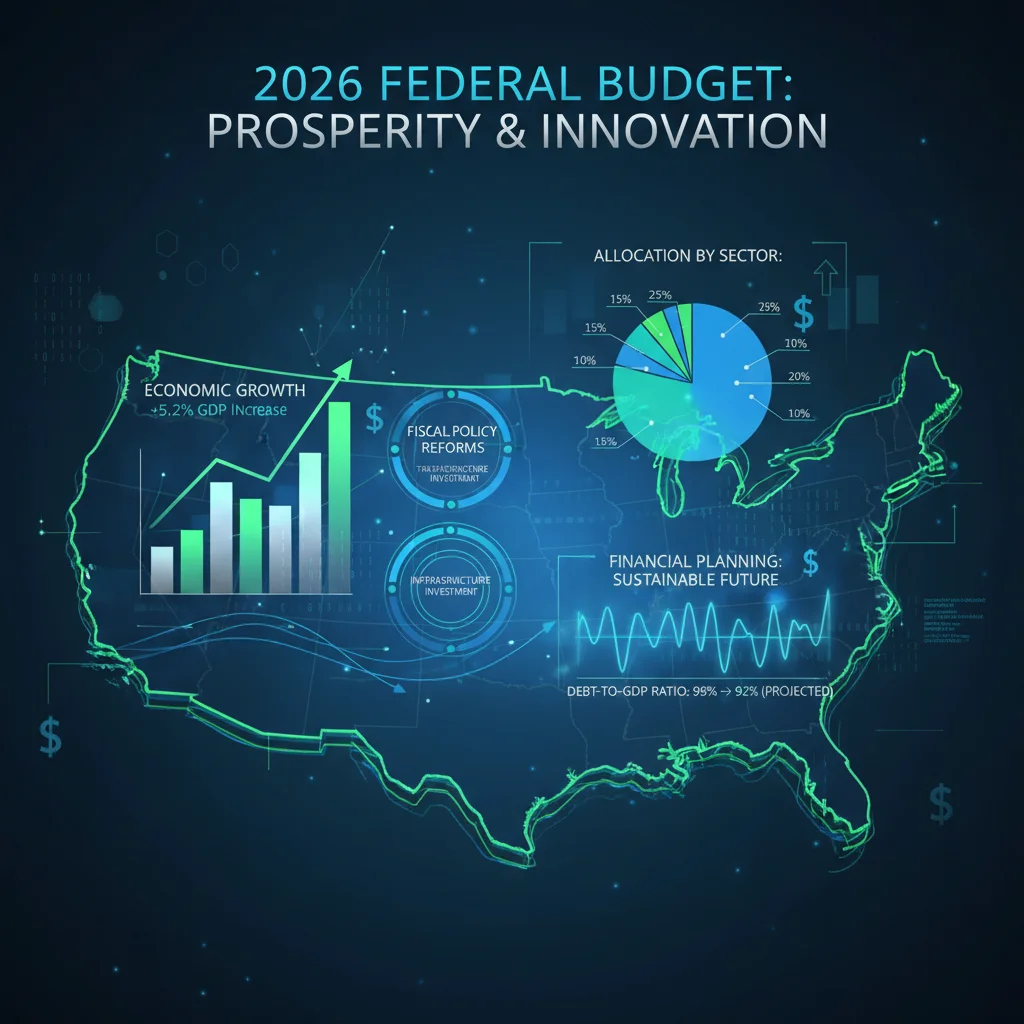
The 2026 Federal Budget is a critical document shaping the nation's economic landscape. This post delves into its core fiscal policies, outlining key spending priorities, revenue projections, and the anticipated effects on various sectors and individual financial well-being.
By: Matheus Neiva on September 11, 2026
Understanding the 2026 Federal Budget: How Fiscal Policies Will Shape Economic Opportunities and Challenges for the Next Year
The release of the 2026 Federal Budget is always a pivotal moment for economists, businesses, and everyday citizens alike. It’s more than just a collection of numbers; it’s a strategic blueprint that outlines the government’s priorities, anticipated revenues, and planned expenditures for the upcoming fiscal year. This document serves as a powerful indicator of the nation’s economic direction, reflecting current challenges and setting the stage for future growth or contraction. Understanding the intricacies of the 2026 Federal Budget is crucial for anyone looking to navigate the economic landscape effectively, identify emerging opportunities, and prepare for potential challenges. This comprehensive analysis will delve deep into the core components of the budget, examine its proposed fiscal policies, and forecast the potential impacts across various sectors of the economy.
The Foundation of the 2026 Federal Budget: Economic Context and Core Principles
Before dissecting the specifics of the 2026 Federal Budget, it’s essential to understand the economic backdrop against which it was formulated. Global economic conditions, domestic inflation rates, employment figures, and geopolitical events all play a significant role in shaping fiscal policy decisions. The budget often reflects the administration’s overarching economic philosophy, whether it leans towards austerity, stimulus, or targeted investment. Key principles guiding the 2026 Federal Budget likely include:
Fiscal Responsibility: A commitment to managing national debt and deficits, though the interpretation of ‘responsibility’ can vary.
Economic Growth: Strategies aimed at fostering job creation, innovation, and increased productivity.
Social Equity: Investments designed to reduce inequality and support vulnerable populations.
National Security: Allocations for defense, cybersecurity, and international relations.
Sustainability: Funding for environmental protection, renewable energy, and climate change initiatives.
Each of these principles will translate into specific spending programs and revenue-generating measures within the 2026 Federal Budget, directly influencing how resources are distributed and where economic activity is encouraged.
Key Pillars of Spending in the 2026 Federal Budget
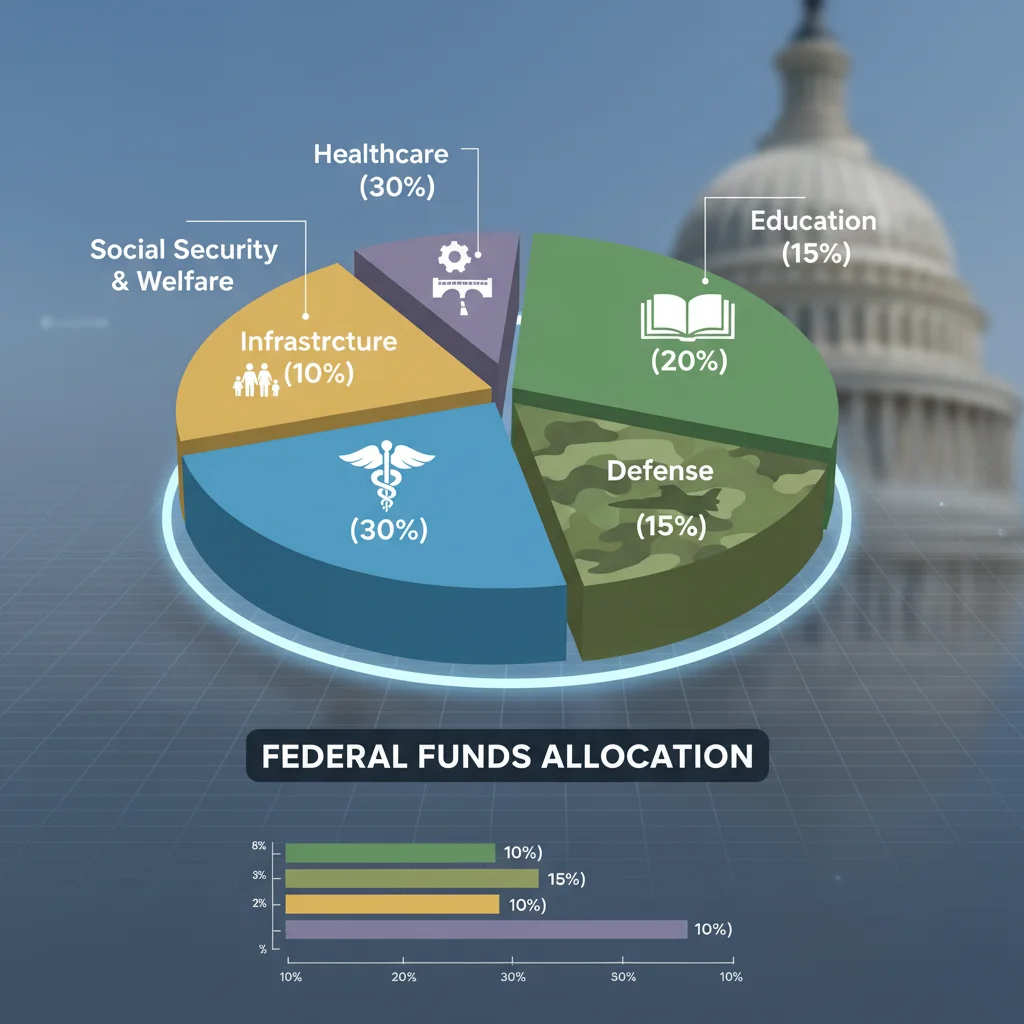
The federal budget is a massive document, but certain areas consistently receive significant attention and funding. For the 2026 Federal Budget, we anticipate several key pillars of spending that will drive economic activity and impact various industries:
1. Infrastructure Investment: Paving the Way for Future Growth
Infrastructure remains a critical area for federal spending, often seen as a dual-purpose investment: creating immediate jobs and laying the groundwork for long-term economic competitiveness. The 2026 Federal Budget is expected to continue prioritizing:
Transportation Networks: Roads, bridges, public transit, airports, and ports will likely see continued funding for repair, modernization, and expansion. This creates opportunities for construction companies, materials suppliers, and engineering firms.
Digital Infrastructure: Expanding broadband access, especially in rural and underserved areas, is crucial for economic participation in the digital age. This benefits telecommunications companies and technology providers.
Energy Infrastructure: Investments in renewable energy grids, smart grid technologies, and resilient energy systems will be central to climate goals and energy independence. This opens doors for renewable energy developers, manufacturers, and energy storage solutions.
Water and Wastewater Systems: Upgrading aging water infrastructure is essential for public health and environmental protection, offering opportunities for specialized engineering and construction firms.
The ripple effect of infrastructure spending is substantial, boosting local economies, enhancing supply chain efficiency, and improving overall national productivity.
2. Healthcare and Social Programs: Addressing Societal Needs
Healthcare is consistently one of the largest components of the federal budget, and the 2026 Federal Budget will be no exception. Key areas include:
Medicare and Medicaid: These essential programs provide healthcare coverage for seniors, low-income individuals, and people with disabilities. Changes in funding or eligibility can have widespread effects on healthcare providers, pharmaceutical companies, and insurance markets.
Public Health Initiatives: Funding for disease prevention, research, and emergency preparedness remains crucial, especially in a post-pandemic world. This supports medical research institutions, public health organizations, and biotech companies.
Social Security and Other Social Safety Nets: These programs provide vital support for retirees, the disabled, and low-income families. While often seen as mandatory spending, any proposed adjustments can spark significant debate and have profound social implications.
The focus within healthcare spending in the 2026 Federal Budget might also include initiatives to lower prescription drug costs, expand access to mental health services, and address healthcare workforce shortages.
3. Defense and National Security: Evolving Threats
In an increasingly complex global environment, defense spending remains a significant allocation within the 2026 Federal Budget. This includes:
Military Modernization: Investments in advanced weaponry, cybersecurity capabilities, and space defense technologies. This creates substantial opportunities for defense contractors, aerospace companies, and technology firms specializing in national security.
Personnel and Operations: Funding for military personnel, training, and ongoing operations both domestically and abroad.
Cybersecurity: Given the rising threat of cyberattacks, significant resources will likely be directed towards strengthening federal cybersecurity defenses and potentially supporting private sector resilience.
The strategic priorities outlined in the defense portion of the 2026 Federal Budget will reflect geopolitical realities and technological advancements.
4. Education and Research: Investing in Human Capital and Innovation
Long-term economic prosperity is heavily reliant on a skilled workforce and continuous innovation. The 2026 Federal Budget is expected to allocate funds to:
K-12 Education: Support for public schools, programs for disadvantaged students, and initiatives to improve educational outcomes.
Higher Education: Funding for student aid, research grants for universities, and programs aimed at developing critical skills in high-demand fields like STEM.
Scientific Research: Investments in agencies like the National Institutes of Health (NIH), National Science Foundation (NSF), and Department of Energy (DOE) to fund groundbreaking research in health, technology, and environmental science. This is a boon for academic institutions, research labs, and biotech/tech startups.
These investments are crucial for fostering innovation, maintaining global competitiveness, and preparing the next generation for the jobs of the future.
Revenue Streams: How the 2026 Federal Budget is Funded
The other side of the fiscal coin is revenue. The 2026 Federal Budget will detail projected income from various sources, primarily taxes. Understanding these revenue streams is vital for businesses and individuals planning for the future.
1. Income Taxes: Individual and Corporate
Individual income taxes remain the largest source of federal revenue. The 2026 Federal Budget will reflect current tax laws, but there might be proposals for adjustments:
Individual Income Tax Rates: Any proposed changes to tax brackets, deductions, or credits will directly impact household disposable income and consumer spending.
Corporate Income Tax Rates: Alterations to corporate tax rates can influence business investment decisions, job creation, and the competitiveness of U.S. companies globally.
2. Payroll Taxes: Funding Social Security and Medicare
Payroll taxes (FICA) are dedicated to funding Social Security and Medicare. These are typically stable revenue sources, but discussions around the long-term solvency of these programs can sometimes lead to proposals for adjustments in the 2026 Federal Budget.
3. Excise Taxes and Other Revenues
Excise taxes on specific goods (e.g., fuel, tobacco, alcohol) and other revenue sources (e.g., customs duties, estate taxes, fees for government services) also contribute to the federal coffers. While smaller in scale, changes in these areas can impact specific industries or consumer behaviors.
Fiscal Policies and Their Economic Implications in the 2026 Federal Budget
The 2026 Federal Budget is not just about spending and revenue; it’s about the fiscal policies that underpin these figures. These policies have far-reaching economic implications:
1. Impact on Inflation and Interest Rates
The overall size of the budget deficit (spending exceeding revenue) can influence inflation. A large deficit, especially when the economy is near full capacity, can inject too much money into the economy, driving up prices. Conversely, fiscal tightening might help cool an overheated economy. The Federal Reserve often monitors fiscal policy when making decisions about interest rates, creating a complex interplay between fiscal and monetary policy. Businesses and individuals should pay close attention to how the 2026 Federal Budget is projected to affect these macroeconomic indicators.
2. National Debt and Future Generations
Persistent budget deficits contribute to the national debt. While manageable in the short term, a growing national debt can lead to higher interest payments, potentially crowding out other essential government spending in the future. The 2026 Federal Budget‘s approach to debt management will signal the administration’s long-term fiscal strategy and its implications for future generations.
3. Sector-Specific Opportunities and Challenges
Each spending allocation in the 2026 Federal Budget creates winners and losers, or at least sectors that face new opportunities or challenges:
Technology Sector: Increased funding for R&D, cybersecurity, and digital infrastructure creates growth opportunities for tech companies.
Healthcare Industry: Changes in Medicare/Medicaid funding, drug pricing policies, or public health initiatives directly impact hospitals, pharmaceutical companies, and biotech firms.
Construction and Manufacturing: Infrastructure projects provide a steady stream of work for these industries.
Education Sector: Universities, vocational schools, and educational technology providers benefit from increased education and research funding.
Energy Sector: Policies supporting renewable energy or traditional fossil fuels will dictate investment trends in this sector.
Businesses need to analyze the 2026 Federal Budget carefully to identify how these shifts might affect their operations, supply chains, and customer base.
4. Impact on Small Businesses and Entrepreneurs
Small businesses are the backbone of the economy, and the 2026 Federal Budget can significantly influence their operating environment. This might include:
Access to Capital: Government-backed loan programs or initiatives to support small business lending.
Tax Incentives: Specific tax credits or deductions for small businesses investing in certain areas (e.g., R&D, employee training, energy efficiency).
Government Contracts: Opportunities for small businesses to bid on federal contracts, especially in areas of increased spending like infrastructure or defense.
Regulatory Environment: Changes in regulations, which can be influenced by budget priorities, can either ease or burden small business operations.
Entrepreneurs should look for specific provisions within the 2026 Federal Budget that are designed to foster small business growth and innovation.
Navigating the 2026 Federal Budget: Strategies for Individuals and Businesses
For individuals and businesses, understanding the 2026 Federal Budget is the first step; the next is to strategize accordingly.
For Individuals:
Financial Planning: Review potential changes in tax policy (income tax rates, deductions) and adjust personal financial plans, including investment strategies and retirement savings.
Healthcare Planning: Understand any proposed changes to healthcare subsidies, Medicare, or Medicaid that might affect your coverage or costs.
Career Development: Identify sectors receiving increased federal investment (e.g., green energy, tech, healthcare) as these may offer more job opportunities and career growth.
For Businesses:
Strategic Planning: Align business strategies with federal spending priorities. If infrastructure is a focus, construction or materials companies should position themselves for increased demand.
Tax Compliance and Planning: Stay informed about any changes to corporate tax rates, depreciation rules, or tax credits that could impact profitability. Consult with tax professionals to optimize strategies.
Market Analysis: Analyze how budget allocations will affect demand for your products or services, potential supply chain disruptions, or new market opportunities.
Government Contracting: Explore opportunities for federal contracts, especially if your business aligns with areas of increased government spending.
Advocacy: For industries heavily impacted by federal policy, engaging in advocacy efforts can help shape future budget decisions.
The Road Ahead: Monitoring the 2026 Federal Budget’s Implementation
The release of the 2026 Federal Budget is just the beginning. The budget proposal must navigate the legislative process, where it can be debated, amended, and ultimately approved by Congress. This process can lead to significant changes from the initial proposal. Once enacted, the implementation of the budget’s provisions will be closely watched.
Economic Indicators: Keep an eye on key economic indicators such as GDP growth, inflation rates, unemployment figures, and consumer confidence. These will provide real-time feedback on the budget’s effectiveness.
Policy Adjustments: Governments often make mid-course corrections based on economic performance or unforeseen events. Staying informed about these adjustments is crucial.
Sector Performance: Monitor the performance of industries directly impacted by budget allocations. This can provide early signals of opportunities or challenges.
Conclusion: The 2026 Federal Budget as a Compass for the Economy
The 2026 Federal Budget is far more than an accounting exercise; it is a powerful statement of national priorities and a significant determinant of the nation’s economic trajectory. By understanding its core components – spending allocations, revenue projections, and underlying fiscal policies – individuals and businesses can better anticipate economic shifts, identify emerging opportunities, and mitigate potential challenges. Whether you are a business owner strategizing for growth, an investor seeking clarity, or an individual planning your financial future, a thorough grasp of the 2026 Federal Budget is an indispensable tool for navigating the complex economic landscape of the coming year. Stay informed, remain adaptable, and leverage this critical document to make sound economic decisions.
Matheus Neiva has a degree in Communication and a specialization in Digital Marketing. Working as a writer, he dedicates himself to researching and creating informative content, always seeking to convey information clearly and accurately to the public.