Boost Your Savings: 4 Smart Habits to Increase Your Savings Rate by 5% in 6 Months
Discover actionable strategies to significantly increase your savings rate. This guide details four smart spending habits that can boost your savings by 5% in half a year, leading to greater financial security and peace of mind.
By: Matheus Neiva on September 18, 2026
Boost Your Savings: 4 Smart Habits to Increase Your Savings Rate by 5% in 6 Months
Boost Your Savings: 4 Smart Habits to Increase Your Savings Rate by 5% in 6 Months
In today’s economic climate, the ability to increase savings rate is more crucial than ever. Whether you’re saving for a down payment on a house, retirement, your child’s education, or simply building an emergency fund, a higher savings rate provides a stronger foundation for your financial future. Many people believe that significantly boosting their savings requires drastic, painful cuts to their lifestyle. However, that’s often not the case. By adopting a few smart spending habits and making conscious choices, you can make a substantial financial impact without feeling deprived. This comprehensive guide will walk you through four effective strategies designed to help you increase your savings rate by a noticeable 5% within just six months. This isn’t about magical solutions; it’s about practical, sustainable changes that lead to real results.
Understanding your current financial standing is the first step toward improvement. Before you can effectively increase savings rate, you need to know where your money is going. This involves a clear-eyed assessment of your income versus your expenses. Once you have this baseline, you can identify areas where adjustments can be made. Our goal is to empower you with actionable advice that transforms your financial habits, making saving not a chore, but a natural part of your financial routine. Let’s dive into these powerful habits that will put you on the fast track to financial freedom.
The Power of a 5% Increase: Why It Matters to Increase Savings Rate
Before we delve into the ‘how,’ let’s understand the ‘why.’ What does a 5% increase in your savings rate actually mean for your financial life? For many, it might sound like a small percentage, but its cumulative effect can be profound. Let’s say you earn $50,000 a year. A 5% increase means an additional $2,500 saved annually. Over ten years, that’s an extra $25,000, not including any interest or investment returns. If you’re saving for retirement, this additional capital, compounded over decades, can turn into a significant sum, potentially shaving years off your working life or allowing for a more comfortable retirement. For shorter-term goals, like a down payment, an extra 5% can dramatically shorten the time it takes to reach your target.
The beauty of focusing on a percentage rather than a fixed dollar amount is its adaptability. As your income grows, so does the absolute dollar amount you save, maintaining the positive habit. This approach encourages continuous financial growth and discipline. Moreover, achieving a 5% increase within six months is an attainable goal, providing a sense of accomplishment that fuels further financial progress. It builds momentum and confidence, demonstrating that you have control over your financial destiny. This incremental approach makes the journey less daunting and more sustainable in the long run. The psychological boost from seeing your savings grow can also reduce financial stress and improve overall well-being, making the effort to increase savings rate a worthwhile endeavor.
Habit 1: Master Your Budget with the 50/30/20 Rule to Increase Savings Rate
One of the most effective ways to increase savings rate is to gain absolute control over your spending. The 50/30/20 budget rule is a simple yet powerful framework that can help you do just that. This rule suggests allocating your after-tax income as follows: 50% to needs, 30% to wants, and 20% to savings and debt repayment. By consistently adhering to this structure, you create a clear roadmap for your money, ensuring that saving is prioritized rather than being an afterthought.
Understanding the Categories:
Needs (50%): These are your essential expenses – housing (rent/mortgage), utilities, groceries, transportation, insurance, and minimum loan payments. These are the costs you cannot avoid.
Wants (30%): This category includes discretionary spending that improves your quality of life but isn’t strictly necessary. Examples are dining out, entertainment, subscriptions, vacations, new gadgets, and hobbies.
Savings & Debt Repayment (20%): This is where you actively work to increase savings rate. This portion goes towards your emergency fund, retirement accounts, investments, and paying off any debt beyond the minimum payments (like credit card debt or student loans).
How to Implement and Adjust:
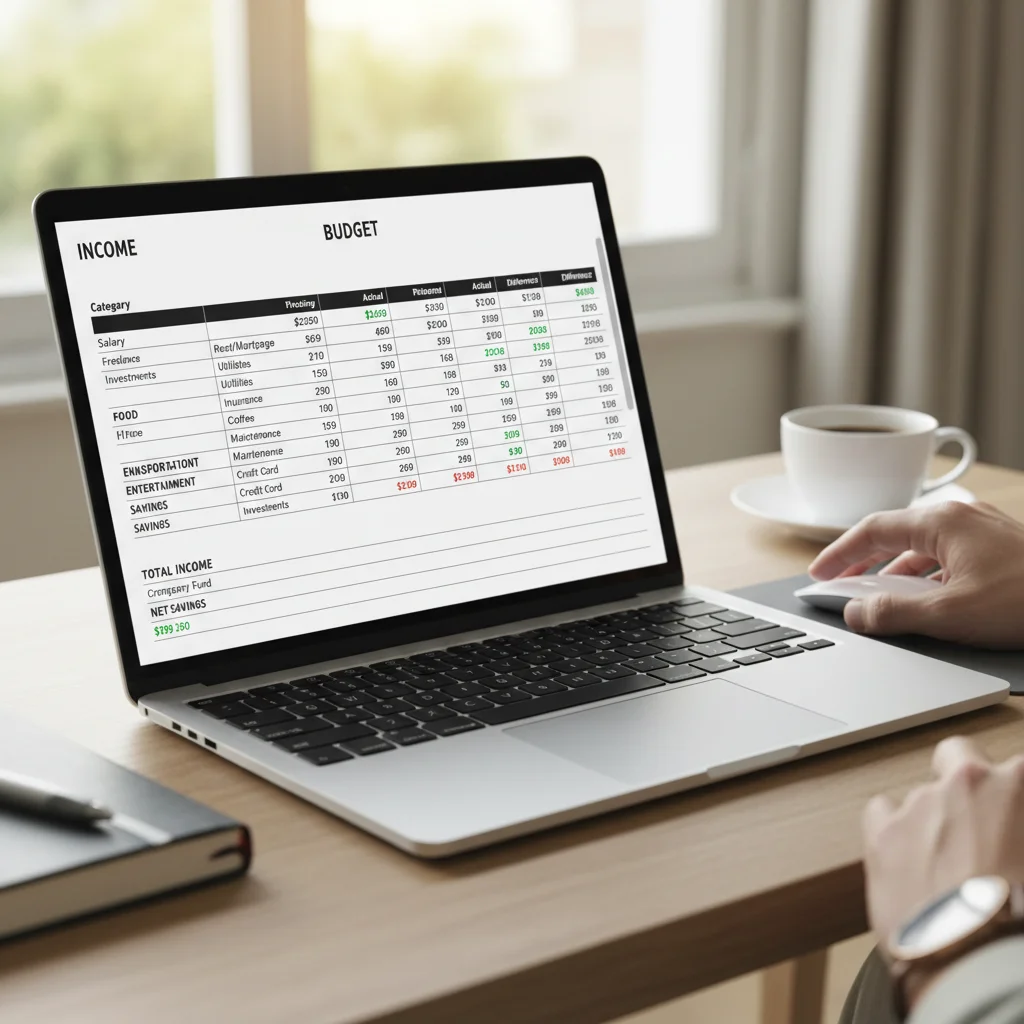
Start by tracking your expenses for a month to see where your money is currently going. You might find that your ‘wants’ category is much larger than 30%, or your ‘needs’ are eating up more than 50%. The key is to identify these discrepancies and make conscious adjustments. If your needs are too high, look for ways to reduce them – perhaps by refinancing a loan, finding a cheaper insurance provider, or cutting down on high utility usage. If your wants are excessive, prioritize which ones truly bring you joy and cut back on others. The goal is to free up enough money to consistently allocate at least 20% to savings and debt repayment. Even if you can’t hit 20% immediately, aim to get as close as possible and gradually increase it. The more disciplined you are with this rule, the faster you will increase savings rate and achieve your financial goals.
Habit 2: Automate Your Savings to Ensure Consistency and Increase Savings Rate
One of the simplest yet most effective strategies to increase savings rate is to automate the process. Human behavior often succumbs to inertia and temptation. If saving money requires a conscious decision every payday, it’s easy to find reasons to delay or skip it. By automating your savings, you remove the decision-making process entirely, making saving a non-negotiable part of your financial life. This ‘set it and forget it’ method ensures consistency, which is paramount for long-term financial growth.
How to Set Up Automation:
Direct Deposit Allocation: Many employers allow you to split your direct deposit across multiple accounts. You can instruct your payroll department to send a portion of each paycheck directly to a savings account, investment account, or retirement fund before it even hits your primary checking account. This is often the most effective method because you never even see the money, reducing the temptation to spend it.
Automatic Transfers: If direct deposit splitting isn’t an option, set up automatic transfers from your checking account to your savings or investment accounts. Schedule these transfers to occur on payday, or shortly after, to ensure the money is moved before you have a chance to spend it. Even small, regular transfers add up significantly over time.
Utilize Savings Apps: Many financial apps offer automated savings features. Some round up your purchases to the nearest dollar and transfer the difference to savings, while others allow you to set recurring transfers based on your spending habits or financial goals.
The Benefits of Automation:
Consistency: Ensures you save regularly, regardless of your willpower.
Reduces Temptation: Money is moved before you can spend it, making it less accessible for impulse purchases.
Builds Discipline: Over time, you adapt to living on the money left in your checking account, naturally adjusting your spending habits.
Accelerates Goal Achievement: Consistent contributions mean you reach your financial goals faster.
Start by automating a small amount, perhaps even just 1% of your income. Once you’re comfortable, gradually increase the automated transfer amount every few months. This incremental approach makes it easier to adjust to living on slightly less, pushing you closer to your goal to increase savings rate without feeling a significant pinch.
Habit 3: Mindful Spending and the ’30-Day Rule’ to Increase Savings Rate
Impulse purchases are notorious budget killers. They often lead to buyer’s remorse and significantly hinder your ability to increase savings rate. Mindful spending is about being intentional with every dollar you spend, asking yourself if a purchase truly aligns with your values and financial goals. The ‘30-Day Rule‘ is a powerful tool to cultivate this mindfulness and curb unnecessary spending.
What is the 30-Day Rule?
When you feel the urge to buy a non-essential item, instead of purchasing it immediately, commit to waiting 30 days. During this waiting period, take the time to:
Research: Is this the best product? Are there cheaper alternatives? Do you already own something similar that could suffice?
Reflect: Do you truly need this item, or is it a ‘want’ driven by fleeting desire, advertising, or social pressure? How will this purchase impact your financial goals? Could the money be better used to increase savings rate or pay off debt?
Re-evaluate: After 30 days, if you still genuinely want and need the item, and it fits within your budget, then consider buying it. More often than not, the urge will have passed, and you’ll realize you didn’t need it after all.
Benefits of Mindful Spending and the 30-Day Rule:
Reduces Impulse Buys: Gives you time to cool off and make rational decisions.
Saves Money: Prevents unnecessary purchases, freeing up funds to increase savings rate.
Increases Awareness: Makes you more conscious of your spending habits and triggers.
Promotes Financial Discipline: Strengthens your ability to delay gratification and prioritize long-term goals over short-term desires.
Apply this rule to anything beyond your essential needs – a new gadget, a piece of clothing, an expensive meal out, or even a subscription service. You’ll be surprised at how much money you save by simply pausing before you purchase. This habit not only helps you to increase savings rate but also fosters a healthier relationship with money and consumption.
Habit 4: Regularly Review and Optimize Your Subscriptions and Recurring Expenses to Increase Savings Rate
In the digital age, it’s incredibly easy to accumulate a multitude of subscriptions and recurring expenses that quietly drain your bank account. From streaming services and apps to gym memberships and monthly delivery boxes, these small, consistent payments can add up to a significant sum each month, often without you fully realizing it. Regularly reviewing and optimizing these expenses is a quick win for anyone looking to increase savings rate.
How to Conduct a Subscription Audit:
List Everything: Go through your bank statements and credit card bills for the last 3-6 months. Make a comprehensive list of every recurring charge. You might be surprised by how many you have.
Categorize and Evaluate: For each subscription, ask yourself:
Do I still use this service regularly?
Do I get enough value from it to justify the cost?
Is there a free or cheaper alternative that meets my needs?
Can I downgrade to a less expensive plan?
Am I paying for duplicate services (e.g., multiple streaming platforms with similar content)?
Take Action:
Cancel: Immediately cancel any subscriptions you don’t use or don’t find valuable.
Downgrade: If you use a service but could get by with a cheaper tier, downgrade your plan.
Negotiate: For services like internet or phone plans, call your provider and ask if there are any better deals or if they can match a competitor’s offer. Many companies prefer to retain customers by offering discounts rather than losing them entirely.
Bundle: Sometimes bundling services (e.g., internet and TV) can offer savings, but be wary of packages that include things you don’t need.
Share: If allowed by terms of service, consider sharing certain family plans (e.g., streaming) with trusted friends or family to split costs.
The Impact:
Even canceling just one or two unused subscriptions can free up $20-$50 per month, which directly contributes to your ability to increase savings rate. Over a year, that’s $240-$600! Make this audit a quarterly or bi-annual habit to ensure you’re not accumulating new, unnecessary expenses. This proactive approach ensures your money is working for you, not against you.
Putting It All Together: Your 6-Month Plan to Increase Savings Rate
Achieving a 5% increase in your savings rate within six months is entirely achievable by consistently applying these four habits. Here’s a suggested timeline to integrate them effectively:
Month 1-2: Foundation and Awareness
Master Your Budget (Habit 1): Spend these two months rigorously tracking every dollar. Implement the 50/30/20 rule. Identify where your money is going and make initial cuts to your ‘wants’ category.
Subscription Audit (Habit 4): Conduct your first thorough review of all recurring expenses. Cancel or downgrade immediately. This will likely give you an immediate boost to your savings capacity.
Month 3-4: Automation and Mindfulness
Automate Your Savings (Habit 2): Once you have a clearer picture of your budget and have cut some expenses, set up automatic transfers. Start with a realistic amount you can comfortably save, even if it’s less than your target 5% increase.
Mindful Spending (Habit 3): Begin practicing the 30-Day Rule for all non-essential purchases. This will further reduce impulse spending and reinforce your budget.
Month 5-6: Optimization and Reinforcement
Review and Adjust Budget: Re-evaluate your budget from Month 1-2. Have your spending habits changed? Can you reallocate more from ‘wants’ to ‘savings’?
Increase Automation: If you started with a smaller automated savings amount, now is the time to increase it, pushing closer to or exceeding your 5% target.
Continue Mindful Spending & Audits: These habits should become second nature. Regular subscription audits and mindful purchasing will sustain your increased savings rate.
By the end of six months, you will not only have increased your savings rate by at least 5% but also developed sustainable financial habits that will serve you for a lifetime. Remember, consistency is key. Small, consistent actions lead to significant long-term results. The journey to financial freedom is a marathon, not a sprint, and these habits are your training regimen.
Conclusion: Your Path to a Higher Savings Rate and Financial Security
Successfully increasing your savings rate by 5% in just six months is an attainable goal that can profoundly impact your financial well-being. By embracing these four smart spending habits – mastering your budget with the 50/30/20 rule, automating your savings, practicing mindful spending with the 30-Day Rule, and regularly optimizing your subscriptions – you’re not just saving more money; you’re building a foundation of financial discipline and awareness that will benefit you for years to come. Each habit reinforces the others, creating a powerful synergy that propels you towards your financial aspirations.
The journey to a healthier financial life doesn’t have to be about extreme deprivation. Instead, it’s about making conscious choices, understanding where your money goes, and aligning your spending with your values and long-term goals. The financial impact of these changes extends beyond just the numbers in your bank account; it brings peace of mind, reduces stress, and opens up opportunities for future investments, early retirement, or simply a more secure present. Start today, commit to these habits, and watch your ability to increase savings rate transform your financial future. Your future self will thank you for taking these proactive steps towards greater financial freedom and security.
Matheus Neiva has a degree in Communication and a specialization in Digital Marketing. Working as a writer, he dedicates himself to researching and creating informative content, always seeking to convey information clearly and accurately to the public.