Remote Work 2026: Economic Impact on Cities & Consumer Behavior
This article delves into the economic ramifications of sustained remote and hybrid work models by 2026, analyzing its effects on urban landscapes, real estate markets, and fundamental shifts in consumer spending habits.
By: Matheus Neiva on September 21, 2026
Remote Work 2026: Economic Impact on Cities & Consumer Behavior
The Future of Remote Work: Economic Impact on Urban Centers and Consumer Behavior in 2026
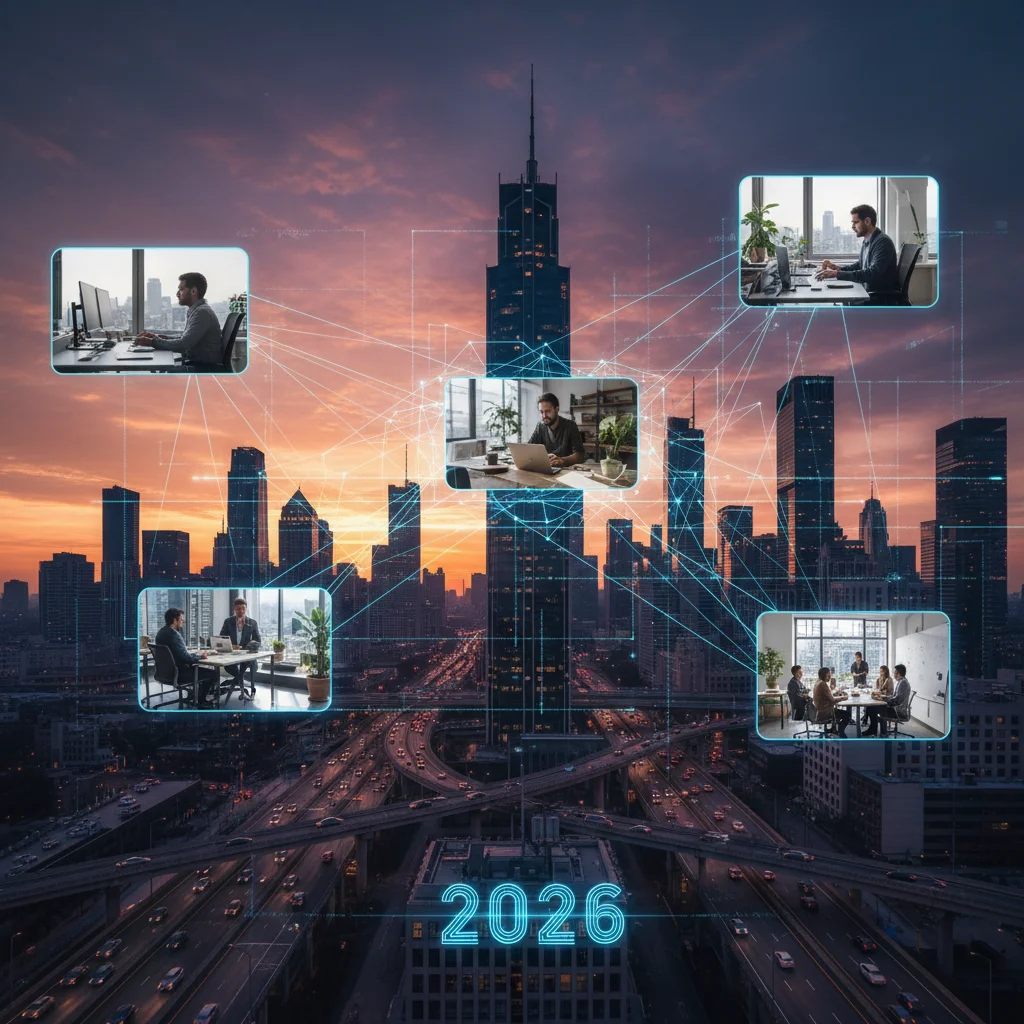
The global pandemic of 2020 irrevocably altered the landscape of work, pushing millions into remote setups. As we look towards 2026, it’s clear that the ‘great experiment’ of remote work has evolved into a permanent fixture for a significant portion of the global workforce. With an estimated 30% of employees projected to remain in hybrid work models, the long-term economic impact of remote work, particularly on urban centers and consumer behavior, warrants a comprehensive examination. This shift isn’t merely about where people work; it’s a fundamental re-evaluation of how cities function, how businesses operate, and how individuals spend their time and money. Understanding the profound and multifaceted economic impact of remote work is crucial for policymakers, urban planners, businesses, and individuals alike.
The initial shockwaves of the pandemic saw a mass exodus from traditional offices, leading to deserted business districts and a surge in residential real estate in suburban and rural areas. While some predicted a full return to pre-pandemic norms, the convenience, flexibility, and often increased productivity associated with remote and hybrid models have solidified their place. By 2026, the remote work economic impact will be deeply embedded in our societal and financial structures, necessitating adaptive strategies and innovative solutions.
Reshaping Urban Centers: A New Paradigm for City Life
For decades, urban centers thrived on the daily influx of commuters, with central business districts (CBDs) serving as the economic heart of cities. This model supported a vast ecosystem of businesses, from high-rise office buildings to lunchtime eateries, public transportation networks, and ancillary services. The sustained presence of hybrid work models by 2026 fundamentally challenges this traditional urban structure. The remote work economic impact on urban centers is multifaceted, affecting everything from commercial real estate to public infrastructure and local tax revenues.
Commercial Real Estate: The Office Space Metamorphosis
One of the most immediate and visible effects of remote work is on commercial real estate. By 2026, the demand for traditional, large-scale office spaces in CBDs is expected to continue its decline, or at least stabilize at a significantly lower level than pre-pandemic. Companies adopting hybrid models are rightsizing their office footprints, opting for smaller, more flexible spaces designed for collaboration and team meetings rather than individual workstations. This has led to increased vacancy rates in prime urban locations and a downward pressure on rental prices.
However, this doesn’t necessarily spell the end for urban commercial real estate. Instead, it signals a metamorphosis. We are seeing a rise in demand for flexible co-working spaces, ‘hub-and-spoke’ models where companies maintain smaller satellite offices closer to employee residences, and a repurposing of older office buildings into residential units, mixed-use developments, or even vertical farms. Developers and investors are adapting by focusing on amenities, technology infrastructure, and sustainability to attract tenants in a more competitive market. The long-term remote work economic impact here is a more diversified and adaptable urban real estate portfolio.
Public Transportation and Infrastructure
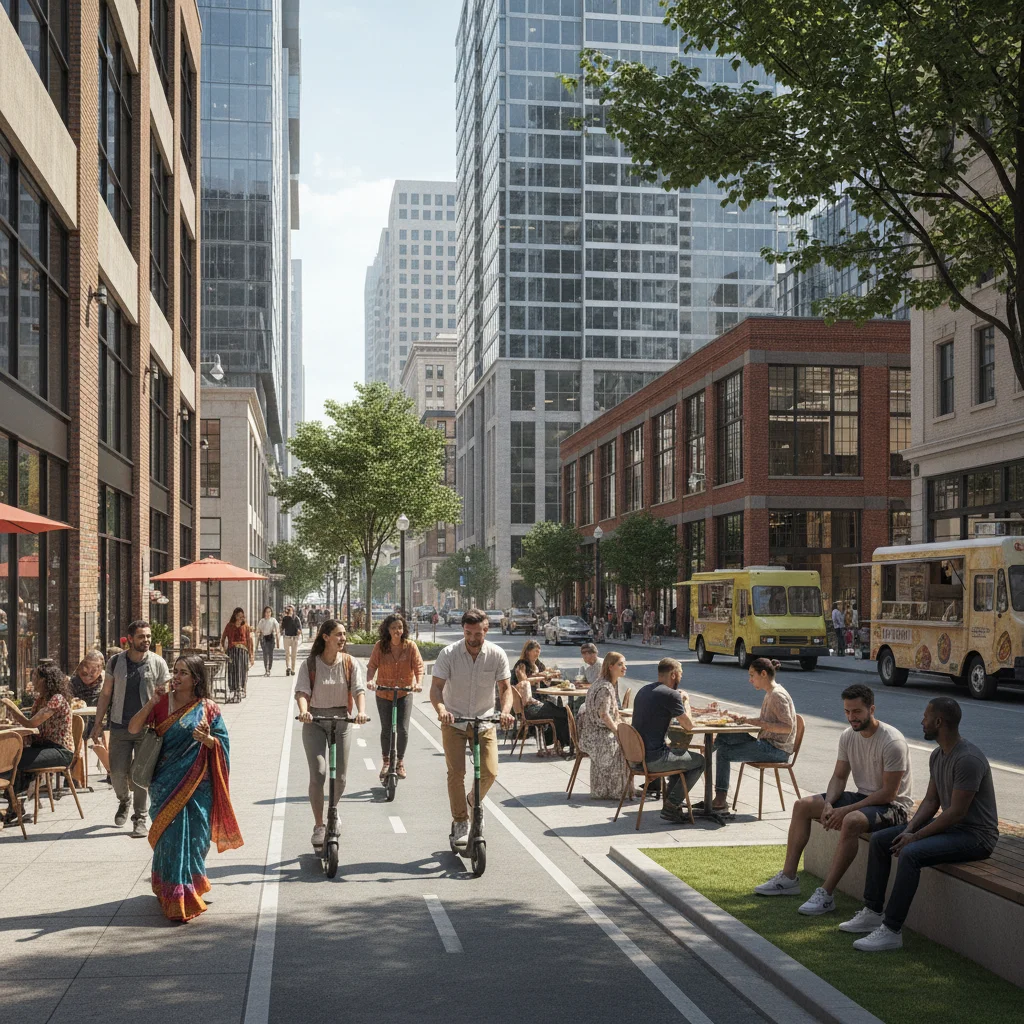
Public transportation systems, heavily reliant on peak-hour commuter traffic, are experiencing significant revenue shortfalls. With 30% of the workforce adopting hybrid schedules, the traditional 9-to-5 rush hour is less pronounced. This necessitates a re-evaluation of funding models and service provision for public transport. Cities are exploring dynamic pricing, on-demand services, and investing in micro-mobility options (e.g., e-scooters, bike shares) to cater to more dispersed travel patterns. The infrastructure requirements are also shifting, with less emphasis on expanding road networks for commuters and more on enhancing digital infrastructure to support remote work and smart city initiatives.
Local Economies and Tax Bases
The reallocation of daily economic activity from CBDs to residential neighborhoods and suburban areas has a profound remote work economic impact on local economies. While downtown businesses, particularly those catering to office workers (e.g., lunch spots, dry cleaners), may struggle, suburban and neighborhood businesses are experiencing a renaissance. People working from home are more likely to frequent local cafes, grocery stores, and service providers in their immediate vicinity. This shift can lead to a more distributed economic vitality, but it also creates challenges for cities whose tax revenues were heavily dependent on downtown commercial activity and sales taxes generated there.
Municipalities are exploring new taxation models, including potential ‘commuter taxes’ for remote workers or adjusting property tax assessments to reflect changing commercial values. The goal is to ensure sustainable funding for urban services while adapting to the new economic geography. The challenge lies in balancing the needs of traditional urban core businesses with the burgeoning opportunities in residential areas.
Shifting Consumer Behavior: A New Economic Landscape
Beyond urban planning, the sustained hybrid work model profoundly influences consumer behavior, creating both opportunities and challenges for businesses across various sectors. The remote work economic impact on how and where people spend their money is a critical aspect of this transformation.
The Rise of the Local Economy and ‘Third Places’
As mentioned, remote workers tend to spend more in their local communities. This fuels the growth of neighborhood businesses, from independent coffee shops and bakeries to local gyms and retail outlets. There’s an increased demand for ‘third places’ – spaces outside of home and work where people can socialize, work casually, or pursue hobbies. Libraries, community centers, parks, and co-working cafes are becoming more important hubs for social and economic activity, fostering a stronger sense of community and local identity. This localized spending pattern represents a significant departure from the pre-pandemic norm where a large chunk of daily expenditure occurred within or near the central business district.
E-commerce, Delivery Services, and Home-Centric Spending
The pandemic accelerated the adoption of e-commerce and delivery services, and this trend shows no signs of slowing down by 2026. Remote workers, with less commuting time, often leverage these services for groceries, meals, and other retail purchases. This continued reliance on online platforms and doorstep delivery further solidifies the dominance of e-commerce and puts pressure on traditional brick-and-mortar retailers to innovate their offerings and integrate online and offline experiences seamlessly. The remote work economic impact here is a continued shift in retail infrastructure and logistics.
Furthermore, increased time spent at home has led to a surge in spending on home improvement, home entertainment, and services that enhance the home environment. This includes everything from ergonomic office furniture and faster internet connections to streaming services, home fitness equipment, and even professional cleaning services. Businesses catering to these ‘home-centric’ needs are likely to see sustained growth.
Leisure, Travel, and Experiential Spending
With greater flexibility in their schedules, hybrid workers are often able to travel during off-peak times, leading to a more distributed tourism economy. Mid-week travel, extended weekends, and ‘workcations’ are becoming more common. This benefits destinations that were previously overlooked during traditional vacation periods. However, it also means that traditional business travel, particularly for internal meetings, may remain subdued, impacting airlines, hotels, and convention centers that relied heavily on corporate clients. The remote work economic impact on the travel industry is a recalibration towards leisure and flexible-schedule travel.
Health and Wellness Spending
Remote work can lead to both positive and negative impacts on employee well-being. While some enjoy the reduced stress of commuting, others may struggle with work-life balance, isolation, or a sedentary lifestyle. This has led to an increased focus on health and wellness, driving spending on mental health services, fitness apps, home exercise equipment, and healthy food options. Companies are also investing more in corporate wellness programs to support their remote and hybrid workforces, recognizing that employee well-being is directly linked to productivity and retention. This represents a growing segment of the economy influenced by the remote work economic impact.
Challenges and Opportunities for Businesses
Businesses operating in this new economic landscape face both significant challenges and unparalleled opportunities. Adapting to the remote work economic impact requires strategic foresight and agility.
Talent Acquisition and Retention
The ability to hire talent from anywhere in the world has opened up new talent pools, particularly for specialized roles. However, it also intensifies competition for skilled workers. Companies that offer attractive remote or hybrid work options, competitive compensation, and strong company culture are better positioned to attract and retain top talent. This shift also necessitates investments in robust HR technologies for remote onboarding, performance management, and employee engagement.
Operational Costs and Efficiency
While companies may save on office space and related overheads, they incur new costs associated with supporting a distributed workforce. This includes investing in collaboration tools, cybersecurity measures, home office stipends, and ensuring equitable access to resources for all employees. The challenge lies in optimizing these new operational costs to maximize efficiency and maintain profitability. The remote work economic impact on operational models is a continuous balancing act.
Innovation and Collaboration
Maintaining a culture of innovation and seamless collaboration in a hybrid environment is a key concern. Businesses are experimenting with new meeting formats, virtual reality tools, and intentional in-person gatherings to foster creativity and team cohesion. The future success of many businesses will depend on their ability to design work processes and environments that support both individual productivity and collective innovation, regardless of physical location.
Government and Policy Responses
Governments at all levels are grappling with the remote work economic impact and are beginning to formulate policy responses to mitigate negative consequences and harness new opportunities.
Urban Planning and Zoning
Cities are revising zoning laws to allow for more mixed-use developments, encouraging the conversion of underutilized commercial spaces into residential or community hubs. There’s a growing emphasis on creating ’15-minute cities’ where residents can access most of their daily needs within a short walk or bike ride, reducing reliance on long commutes and central business districts. This requires significant investment in local infrastructure, green spaces, and public amenities.
Digital Infrastructure Investment
Reliable, high-speed internet access is no longer a luxury but a necessity for remote work. Governments are increasing investment in broadband infrastructure, particularly in rural and underserved areas, to ensure equitable access to remote work opportunities and to support a more geographically distributed workforce. This is a critical component for maximizing the positive remote work economic impact across broader regions.
Taxation and Regulation
The complexities of taxing remote workers, especially those working across state or national borders, are a significant challenge. Governments are exploring new frameworks for income tax, corporate tax, and sales tax to reflect the distributed nature of work and commerce. There’s also a need for regulations around remote work, covering aspects like employee rights, data privacy, and occupational health and safety in home office environments.
The Social Implications of Economic Shifts
The remote work economic impact extends beyond purely financial metrics, touching upon profound social implications that will shape communities in 2026 and beyond.
Work-Life Balance and Well-being
For many, remote work offers improved work-life balance, reducing commute stress and allowing more time for family, hobbies, and personal pursuits. However, it can also blur the lines between work and home, leading to burnout if not managed effectively. The economic implications arise from the associated spending on wellness, home improvements, and local leisure activities, as well as the potential for increased productivity from a happier, healthier workforce. Companies recognizing this are investing in support systems, from mental health resources to flexible scheduling, understanding that employee well-being directly translates to economic output.
Community Development and Gentrification
As remote workers move to more affordable or desirable locations, they can bring economic vitality to smaller towns and rural areas. This influx of higher-income residents can stimulate local economies, leading to new businesses and improved services. However, it also carries the risk of gentrification, driving up housing costs and potentially displacing long-term residents. Policymakers face the challenge of managing this growth to ensure it benefits all members of the community, fostering inclusive economic development while mitigating negative social consequences. This delicate balance is a crucial aspect of the remote work economic impact on community structures.
Equity and Access
The benefits of remote work are not equally distributed. Access to reliable internet, suitable home office space, and the nature of one’s job all play a role. The digital divide remains a significant barrier, potentially exacerbating existing inequalities. Addressing these disparities through public investment in infrastructure and digital literacy programs is essential to ensure that the economic advantages of remote work are accessible to a broader segment of the population, preventing a two-tiered system of employment based on geographical and technological access. The remote work economic impact must be evaluated through an equity lens.
Conclusion: Navigating the Evolving Economic Landscape of Remote Work
By 2026, the remote work economic impact will have fundamentally reshaped urban centers, consumer behavior, and the very fabric of our working lives. The 30% of the workforce adopting hybrid models represents a critical mass, enough to drive systemic changes across multiple sectors. Cities will evolve into more diverse, mixed-use environments, less reliant on the traditional CBD model. Consumer spending will continue its shift towards local economies, e-commerce, and home-centric goods and services, while leisure and travel patterns will become more flexible.
For businesses, adaptation is not optional. It requires rethinking office strategies, embracing new technologies, and fostering a culture that thrives in a distributed environment. Governments must be proactive in updating urban planning, taxation policies, and digital infrastructure to support this new reality. The challenges are significant, but so are the opportunities for innovation, increased flexibility, and a more balanced distribution of economic activity. The future of work is undeniably hybrid, and understanding its profound economic implications is the first step towards building resilient, equitable, and prosperous societies in the years to come.
The trajectory set by remote work is not a fleeting trend but a foundational shift. As we move closer to 2026, the ongoing analysis and strategic response to the remote work economic impact will define the success and sustainability of urban centers, businesses, and individual livelihoods in this new era.
Matheus Neiva has a degree in Communication and a specialization in Digital Marketing. Working as a writer, he dedicates himself to researching and creating informative content, always seeking to convey information clearly and accurately to the public.