The Frugal Commute: Saving 40% on Transportation Costs in 2026
Unlock the secrets to a frugal commute and save up to 40% on transportation costs in 2026. This guide covers public transit, cycling, carpooling, and smart driving habits to boost your savings.
By: Matheus Neiva on October 12, 2026
The Frugal Commute: Saving 40% on Transportation Costs in 2026
The Frugal Commute: Saving 40% on Transportation Costs in 2026
In an era where every penny counts, finding innovative ways to reduce our monthly expenditures is more crucial than ever. For many, one of the most significant drains on their finances is transportation. Whether it’s the daily commute to work, running errands, or weekend getaways, the costs associated with getting from point A to point B can quickly add up. From fuel prices and maintenance to insurance and public transit fares, these expenses often feel unavoidable. However, with a strategic approach and a commitment to mindful choices, it is entirely possible to achieve a frugal commute and dramatically cut down on your transportation budget. Our goal in this comprehensive guide is to show you how you can realistically save up to 40% on your transportation costs by 2026. This isn’t just about cutting back; it’s about optimizing your travel, embracing sustainable options, and making smarter financial decisions that will benefit your wallet and the environment.
The journey to a truly frugal commute begins with understanding where your money currently goes. Many people underestimate their total transportation spending because they only consider the most obvious costs, like gas. However, a holistic view includes car payments, insurance, repairs, parking fees, tolls, and even the depreciation of your vehicle. By breaking down these expenses, you can identify areas ripe for reduction. This article will delve into practical, actionable strategies across various categories, including leveraging public transportation, embracing active commuting, maximizing car efficiency, exploring ridesharing and carpooling, and making smart choices about vehicle ownership. Each section is designed to provide you with concrete steps and insights to help you achieve your 40% savings goal. Prepare to transform your daily travel into an exercise in efficiency and economy, paving the way for a more secure financial future.
Understanding Your Current Transportation Costs
Before you can begin to save, you need to know exactly what you’re spending. Many people have a rough idea, but a detailed breakdown is essential for identifying areas where significant savings can be made. Think of it like a financial audit for your travel habits. Start by gathering all relevant financial statements from the last few months: bank statements, credit card bills, and any receipts for transportation-related expenses. This will give you a clear picture of your current spending patterns.
Fuel Expenses: More Than Just the Pump Price
Fuel is often the most visible transportation cost. Track how much you spend on gas or charging your electric vehicle each week or month. Don’t just look at the total; consider your average miles per gallon (MPG) or kilowatt-hours per mile. Small changes in driving habits and vehicle maintenance can significantly impact these figures.
Vehicle Ownership Costs: The Hidden Drain
If you own a car, the costs extend far beyond fuel. These include:
Car Payments: Your monthly loan or lease payment.
Insurance: Premiums can vary widely based on your vehicle, driving record, and location.
Maintenance and Repairs: Regular oil changes, tire rotations, unexpected repairs, and routine check-ups.
Registration and Licensing: Annual fees that can add up.
Depreciation: The value your car loses over time. While not a direct cash outflow, it’s a real cost if you ever plan to sell or trade in your vehicle.
Public Transportation and Other Commuting Costs
If you use public transport, tally up your monthly passes, single-ride tickets, and any associated costs like parking at a transit station. For those who cycle, consider the initial cost of the bike and any maintenance or accessory purchases. Even walking has indirect costs, such as wear and tear on shoes.
Miscellaneous Expenses: The Small but Significant
Don’t forget the smaller, often overlooked costs:
Parking Fees: Daily, monthly, or occasional parking at work, events, or in urban areas.
Tolls: Bridges, highways, or congestion charges.
Ride-sharing Services: Uber, Lyft, taxis, etc.
Car Washes: While not essential, they contribute to overall vehicle upkeep.
Once you have a detailed list, calculate your total monthly and annual transportation expenses. This baseline figure will be your starting point for measuring your 40% savings target. Seeing the raw numbers often provides the motivation needed to make significant changes towards a more frugal commute.
Embracing Public Transportation for a Frugal Commute
One of the most effective ways to reduce individual transportation costs is to shift away from single-occupancy vehicle use. Public transportation offers a compelling alternative, often providing significant savings and reducing stress. While it might not be feasible for everyone, exploring your local public transit options is a crucial step towards a frugal commute.
Assessing Your Options
Research the public transportation network in your area. Do you have access to buses, trains, subways, or light rail? Check their routes, schedules, and fare structures. Many cities offer online planners that can help you determine the most efficient routes from your home to your workplace or other frequent destinations.
Cost-Benefit Analysis
Compare the cost of a monthly public transit pass to your current monthly car expenses. Factor in fuel, parking, and even a portion of your insurance and maintenance costs. You might be surprised at how much cheaper public transit can be. For example, if your monthly car expenses total $500, and a monthly transit pass is $100, you’re looking at a potential savings of $400 per month, or $4,800 annually, just by making this switch. This is a substantial step towards your 40% savings goal.
The Hidden Benefits
Beyond direct monetary savings, public transportation offers several other advantages:
Reduced Stress: No traffic jams, no searching for parking. You can use your commute time to read, work, or relax.
Environmental Impact: Less carbon emissions per passenger.
Health Benefits: Often involves walking to and from stops, increasing your daily physical activity.
Increased Productivity: Many commuters use the time on public transport to catch up on emails or plan their day.
Overcoming Challenges
Public transportation isn’t always perfect. It might require more planning, and schedules can sometimes be inconvenient. However, with a bit of adjustment, these challenges can often be mitigated. Consider combining public transit with other strategies, such as cycling the ‘first mile/last mile’ to a transit stop, or using ride-sharing for parts of the journey that aren’t well-served by public options. Many transit systems are also integrating with ride-share apps to provide seamless multi-modal journeys.
Making public transportation a core part of your commuting strategy is a powerful move towards achieving a truly frugal commute. It demands a shift in mindset but rewards you with significant financial relief and a reduced environmental footprint.
Active Commuting: Cycling and Walking Your Way to Savings
For those living relatively close to their workplace or frequent destinations, active commuting options like cycling and walking present an unparalleled opportunity for a frugal commute. These methods eliminate fuel costs entirely, reduce wear and tear on vehicles, and offer substantial health benefits. They are the epitome of cost-effective and sustainable travel.
The Power of the Bicycle
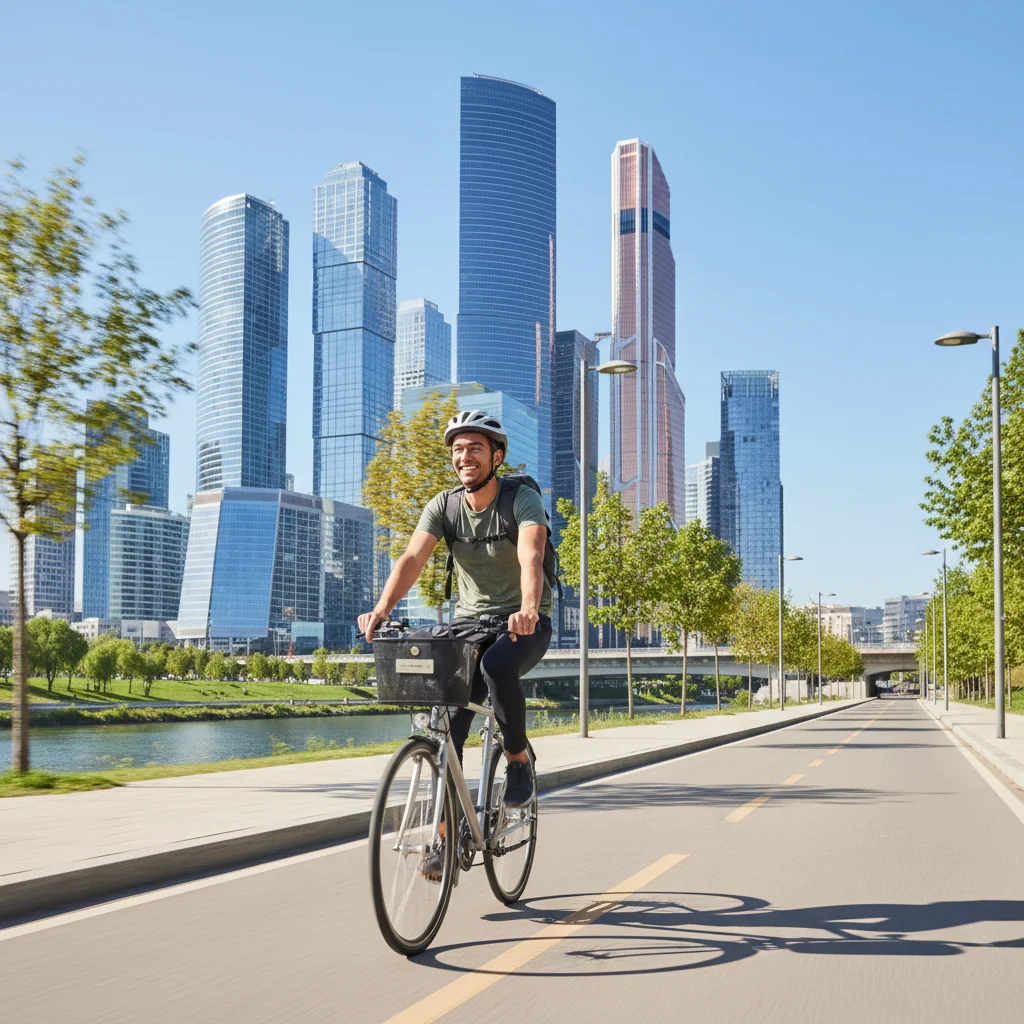
Cycling has seen a resurgence in popularity, not just as a leisure activity but as a viable mode of transportation. If your commute is within a manageable distance (typically 5-15 miles, depending on your fitness level and route), a bicycle can be your best friend for achieving significant savings. The initial investment in a bike and essential gear (helmet, lights, lock) is quickly recouped through avoided fuel, parking, and maintenance costs.
Cost Savings: Zero fuel costs, minimal maintenance compared to a car, no parking fees.
Health Benefits: Excellent cardiovascular exercise, stress reduction, improved mental well-being.
Environmental Impact: Zero emissions, reducing your carbon footprint.
Time Efficiency: In congested urban areas, cycling can often be faster than driving during peak hours.
Tips for Successful Cycle Commuting:
Plan Your Route: Look for bike lanes, trails, and quieter streets. Google Maps and other apps often have cycling-specific navigation.
Invest in Good Gear: A comfortable bike, reliable helmet, front and rear lights, and a sturdy lock are essential.
Consider an E-bike: If your commute is longer or hilly, an electric bike can provide assistance, making cycling accessible to more people.
Workplace Facilities: Check if your workplace offers bike storage, showers, or changing rooms.
Walking: The Ultimate Frugal Commute
For shorter distances, walking is the most economical and eco-friendly option. It costs absolutely nothing (beyond comfortable shoes) and offers immense health benefits. Even if your entire commute isn’t walkable, consider walking for parts of it, such as to a bus stop or train station. This ‘first mile/last mile’ strategy can significantly reduce your reliance on other forms of transport.
Zero Cost: The cheapest form of transportation.
Health Benefits: Improves cardiovascular health, strengthens muscles, boosts mood.
Mindfulness: Provides an opportunity for reflection and observation of your surroundings.
Integrating Active Commuting
Even if you can’t commit to cycling or walking every day, incorporating these methods even a few times a week can lead to substantial savings and improved well-being. Combine them with public transport or carpooling for a truly optimized and frugal commute strategy. The cumulative effect of these small changes will be a noticeable reduction in your transportation budget.
Smart Vehicle Management and Maintenance
For many, owning a car remains a necessity. However, even if you can’t eliminate car ownership, you can significantly reduce its running costs through smart management and diligent maintenance. This approach is key to achieving a frugal commute without giving up your vehicle entirely.
Driving Habits that Save Fuel
Your driving style has a direct impact on your fuel consumption. Adopting more efficient driving habits can save you a surprising amount over time:
Smooth Acceleration and Braking: Aggressive driving (rapid acceleration and hard braking) wastes fuel. Drive smoothly and anticipate traffic to maintain a steady speed.
Maintain Speed Limits: Fuel efficiency generally decreases rapidly above 50-60 mph. Stick to speed limits, especially on highways.
Avoid Idling: If you’re going to be stopped for more than 30 seconds, it’s usually more fuel-efficient to turn off your engine and restart it.
Use Cruise Control: On highways, cruise control helps maintain a steady speed, preventing unnecessary acceleration and deceleration.
Reduce Weight: Remove unnecessary items from your trunk. Extra weight means your engine has to work harder, consuming more fuel.
Regular Vehicle Maintenance
A well-maintained vehicle is a fuel-efficient vehicle. Neglecting maintenance can lead to decreased MPG and costly repairs down the line:
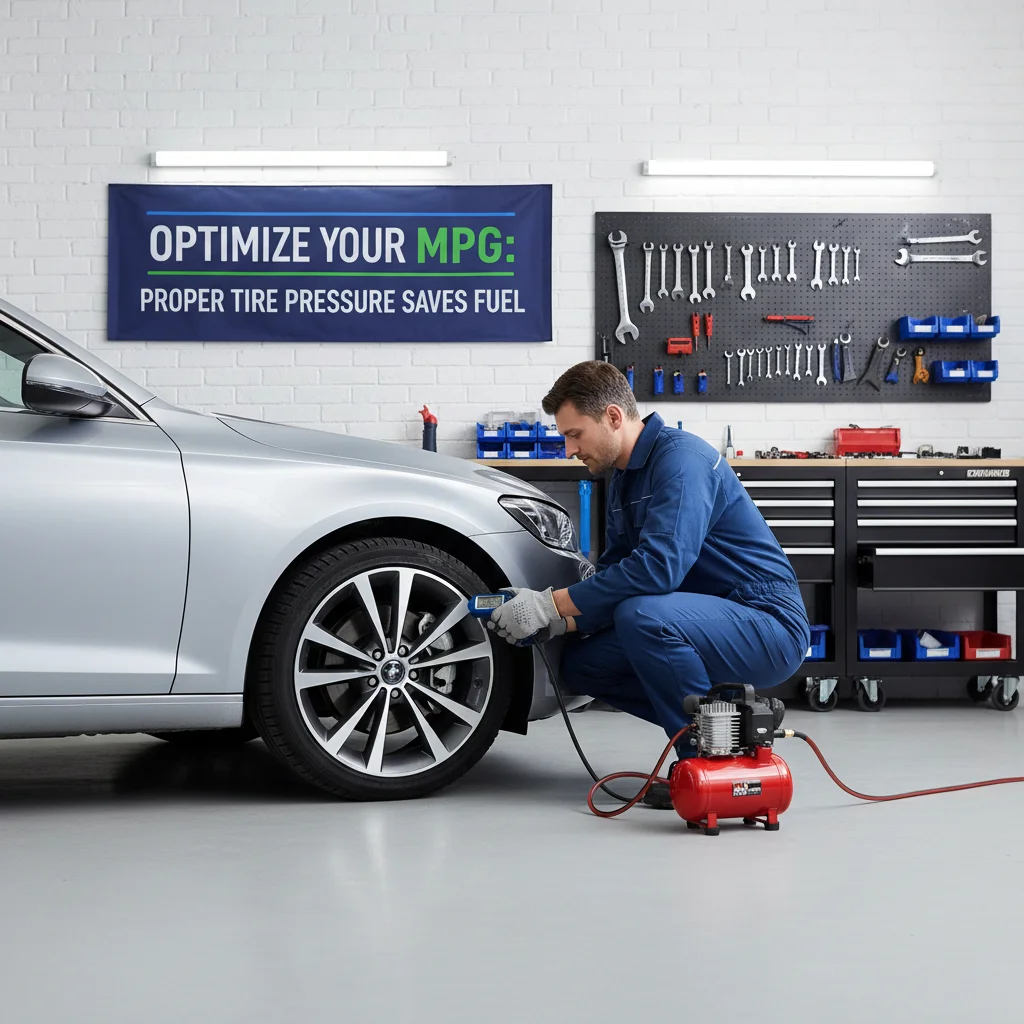
Keep Tires Properly Inflated: Underinflated tires increase rolling resistance, leading to higher fuel consumption. Check your tire pressure regularly (at least once a month) according to your car’s recommendations.
Regular Oil Changes: Fresh, clean oil lubricates your engine more effectively, reducing friction and improving fuel efficiency. Follow your manufacturer’s recommended schedule.
Replace Air Filters: A clogged air filter restricts airflow to the engine, making it work harder and consume more fuel.
Tune-ups: Regular engine tune-ups ensure all components are working optimally, preventing issues that can impact fuel economy.
Wheel Alignment: Incorrect alignment can cause uneven tire wear and increased drag, both of which reduce fuel efficiency.
Smart Route Planning
Before you even start your engine, plan your route. Use GPS apps that provide real-time traffic updates and suggest the most efficient routes. Avoiding congested areas and unnecessary detours can save both time and fuel. Consolidate errands to minimize the number of trips you make.
Carpooling and Ridesharing for Occasional Needs
Even if you rely on your car for most of your commute, consider carpooling with colleagues or friends a few times a week. This instantly cuts your fuel and parking costs by a significant percentage. For occasional needs where public transit isn’t viable, use ride-sharing services like Uber or Lyft strategically, especially if you can split the cost with others. These options contribute to a more frugal commute.
By combining mindful driving habits with diligent maintenance and smart planning, you can significantly reduce the operational costs of your vehicle, making car ownership much more affordable and contributing substantially to your 40% savings goal.
Carpooling and Ridesharing: Maximizing Shared Rides
Beyond public transportation and active commuting, carpooling and ridesharing services offer another potent avenue for achieving a frugal commute. These options leverage the existing infrastructure of private vehicles but distribute the costs and environmental impact among multiple individuals, leading to substantial savings for everyone involved.
The Economic Advantages of Carpooling
Carpooling is perhaps one of the most straightforward ways to cut transportation costs. By sharing a ride with one or more people, you effectively divide expenses such as fuel, tolls, and even parking fees. If you carpool with just one other person, you immediately halve your daily fuel costs. With three or four people, the savings become even more dramatic. This direct reduction in out-of-pocket expenses directly contributes to your 40% savings target.
How to Start Carpooling:
Talk to Colleagues: The easiest place to start is often with co-workers who live in your area or along your route.
Use Carpooling Apps: Many apps (e.g., Waze Carpool, CommuteMate) connect drivers and riders looking to share a commute.
Community Boards: Check local community forums, social media groups, or workplace bulletin boards for carpooling opportunities.
Establish a Schedule: Agree on a consistent schedule, pickup/drop-off points, and contribution method (e.g., rotating drivers, splitting gas costs).
Leveraging Ridesharing Services Smartly
While ridesharing services like Uber and Lyft can be more expensive than public transit for a single rider, they can be a cost-effective solution in specific scenarios, especially when shared. They are particularly useful for:
First Mile/Last Mile Solutions: Bridging the gap between your home/destination and the nearest public transit stop.
Occasional Trips: For situations where owning a car isn’t justified for infrequent use, or when public transport isn’t available.
Shared Rides: Many services offer carpool options (e.g., Uber Pool, Lyft Shared) where you share a ride with others going in the same direction for a reduced fare. This is where the real savings come in.
Group Travel: When traveling with friends or family, splitting the cost of a rideshare can be cheaper and more convenient than multiple taxi fares or parking multiple cars.
The Environmental and Social Benefits
Beyond financial savings, carpooling and ridesharing contribute to a more sustainable environment by reducing the number of cars on the road, thereby decreasing traffic congestion and carbon emissions. They also foster a sense of community and can make your commute more enjoyable through social interaction.
By actively seeking out and participating in carpooling arrangements, or by strategically utilizing shared ridesharing options, you can significantly reduce your personal transportation burden. These methods are not just about saving money; they’re about optimizing resources and contributing to a more efficient and sustainable commuting ecosystem, all while propelling you closer to your frugal commute goal of 40% savings.
Rethinking Vehicle Ownership and Alternatives
For some, the ultimate step towards a frugal commute and significant savings involves a fundamental reevaluation of vehicle ownership itself. The costs associated with owning a car—depreciation, insurance, maintenance, registration, and loan payments—often far outweigh the direct running costs like fuel. By exploring alternatives to traditional car ownership, you can unlock massive savings, potentially exceeding the 40% target.
The True Cost of Car Ownership
Many people focus only on their monthly car payment or gas bill. However, the AAA’s ‘Your Driving Costs’ study consistently shows that the average cost of owning and operating a new vehicle can exceed $10,000 per year. This includes:
Depreciation: The biggest hidden cost, often thousands of dollars annually.
Insurance: Can range from hundreds to thousands per year.
Maintenance & Repairs: Routine services and unexpected breakdowns.
Fuel: A variable but significant expense.
Tires: Replacement costs every few years.
Registration & Taxes: Annual fees.
Financing Costs: Interest paid on car loans.
If you can eliminate or significantly reduce these costs, your savings potential is enormous.
Car-Sharing Services
If you need a car occasionally but not every day, car-sharing services like Zipcar, Turo, or local equivalents can be a game-changer. You pay for the car only when you need it, by the hour or day, and the fees typically include fuel, insurance, and maintenance. This eliminates all the fixed costs of ownership while providing access to a vehicle when necessary.
Benefits: Access to a vehicle without ownership costs, variety of car types, often conveniently located.
Considerations: Best for infrequent use; costs can add up if used daily.
Long-Term Rentals or Leases (Strategic Use)
While generally not the most frugal option, in specific scenarios, a short-term lease or long-term rental might be more cost-effective than buying, especially if your needs are temporary or you want to avoid depreciation. Always do a thorough cost comparison.
Moving Closer to Work
This is a drastic but highly effective solution. If your transportation costs are astronomical due to a long commute, consider if moving closer to your workplace is financially viable. The savings on transportation (fuel, car wear, time) could offset higher rent or mortgage payments in a more central location. This would enable you to embrace walking, cycling, or public transport fully, achieving the ultimate frugal commute.
Telecommuting/Remote Work
The rise of remote work has revolutionized commuting. If your job allows for full-time or even part-time telecommuting, you can dramatically reduce or even eliminate your commute costs. This is the ultimate frugal commute: no commute at all! Discuss this possibility with your employer and explore hybrid work models.
Motorcycles or Scooters
For some, a motorcycle or scooter offers a more fuel-efficient and often cheaper alternative to a car, especially for solo commutes. They typically have lower purchase prices, better fuel economy, and sometimes lower insurance costs. However, safety considerations and weather dependency are important factors.
By critically assessing your need for a private vehicle and exploring these alternatives, you can make informed decisions that lead to massive savings, pushing you well beyond the 40% target for your frugal commute.
Integrating and Monitoring Your Savings
Implementing individual strategies is a great start, but the true power of achieving a 40% reduction in transportation costs by 2026 lies in integrating multiple approaches and diligently monitoring your progress. A holistic view and consistent tracking will ensure you stay on course for a truly frugal commute.
Creating a Multi-Modal Commute Strategy
Very few people will find a single solution that works for all their transportation needs. The most effective frugal commute often involves a combination of methods:
Daily Commute: Public transport, cycling, or carpooling.
Errands: Walking for nearby shops, combining trips, or using a bicycle with a basket.
Occasional Needs: Car-sharing, strategic ridesharing, or borrowing a friend’s car.
Longer Trips: Efficiently maintained personal vehicle (if owned), train, or bus travel.
Think about your weekly routine and identify which mode of transport is most economical and practical for each specific journey. For instance, you might cycle to work three days a week, carpool two days, and use public transport for weekend city excursions.
Tracking Your Progress
To know if you’re hitting your 40% savings goal, you must track your spending. Use budgeting apps (e.g., Mint, YNAB, personal spreadsheets) to categorize and monitor all your transportation-related expenses. Compare your current spending to your baseline costs (established in the first section of this article). This will provide real-time feedback and motivation.
Key Metrics to Track:
Monthly Transportation Total: Sum of all categories (fuel, public transit, maintenance, insurance, etc.).
Percentage Saved: Compare current total to your baseline total.
Miles Driven: If you own a car, track how many miles you’re driving. Lower mileage means less wear and tear and lower fuel costs.
Alternative Commute Days: Count how many days you use public transit, cycle, or walk instead of driving.
Adjusting and Optimizing
Your life and circumstances change, and so should your frugal commute strategy. Regularly review your tracking data and make adjustments:
Identify Bottlenecks: Are there certain trips where costs are still too high? Can you find a cheaper alternative?
Explore New Services: New car-sharing programs or public transit routes might become available.
Re-evaluate Needs: Do you still need that second car? Is a smaller, more fuel-efficient vehicle an option?
Negotiate Insurance: As your driving habits change (less mileage), your insurance premiums might decrease. Shop around annually.
Making it a Lifestyle
Achieving a 40% reduction isn’t a one-time fix; it’s a commitment to a more mindful and sustainable lifestyle. The habits you build now – planning routes, maintaining your vehicle, embracing alternatives – will continue to save you money for years to come. Share your strategies with friends and family; you might even inspire them to join you on the path to a frugal commute.
By diligently integrating these strategies and consistently monitoring your progress, you’ll not only reach your 40% savings goal but also enjoy the benefits of reduced stress, improved health, and a lighter environmental footprint. Your wallet will thank you, and so will the planet.
Conclusion: Your Path to a 40% Frugal Commute
The prospect of saving 40% on transportation costs by 2026 might initially seem daunting, but as we’ve explored in this comprehensive guide, it is an entirely achievable goal through a combination of conscious choices and strategic planning. Your journey to a truly frugal commute is not about deprivation, but about optimization – finding smarter, more efficient, and often more enjoyable ways to navigate your daily life.
We began by emphasizing the importance of understanding your current transportation expenditure. By meticulously tracking every dollar spent on fuel, maintenance, insurance, parking, and public transit, you establish a critical baseline. This clear picture empowers you to identify the most significant drains on your budget and prioritize areas for intervention. Without this initial audit, achieving substantial savings remains a shot in the dark.
Next, we delved into the transformative power of public transportation. For many urban and suburban dwellers, leveraging buses, trains, and subways offers an immediate and substantial reduction in personal vehicle reliance and its associated costs. Beyond the financial benefits, public transit contributes to reduced stress, environmental sustainability, and even increased productivity during commute times. It’s a cornerstone of a smart, frugal commute strategy.
Active commuting, through cycling and walking, emerged as the ultimate cost-free and health-boosting alternative. For suitable distances, these methods eliminate fuel, parking, and significant maintenance costs, while simultaneously improving physical and mental well-being. Even incorporating them a few days a week, or for the ‘first mile/last mile’ of a longer journey, can yield impressive savings and health dividends.
For those who rely on a personal vehicle, we highlighted the critical role of smart vehicle management and maintenance. Adopting fuel-efficient driving habits, diligently maintaining tire pressure, performing regular oil changes, and planning routes intelligently can collectively shave hundreds of dollars off your annual operating costs. A well-cared-for car is a less expensive car to run, making it a key component of a frugal commute.
Carpooling and ridesharing presented themselves as excellent ways to share costs and reduce individual burdens. Whether it’s a regular carpool with colleagues or strategically utilizing shared rideshare options, these methods spread the financial and environmental load, making travel more affordable and sustainable for everyone involved. They are particularly effective for those who cannot fully abandon car use but want to minimize its impact.
Finally, we explored the more profound step of rethinking vehicle ownership. For some, the total cost of owning a car far outweighs its utility. Car-sharing services, considering a move closer to work, embracing remote work opportunities, or even opting for more fuel-efficient two-wheeled transport can lead to the most dramatic savings, potentially freeing up thousands of dollars annually that were once tied up in car payments, insurance, and depreciation.
The key to achieving your 40% savings goal by 2026 lies in a multi-modal approach, combining several of these strategies tailored to your unique circumstances. It also requires consistent monitoring of your expenses and a willingness to adapt your habits over time. By committing to these changes, you’re not just saving money; you’re investing in a more sustainable future, reducing your environmental footprint, and gaining greater control over your personal finances.
Start today by evaluating your current costs, exploring the alternatives available to you, and gradually integrating new habits. The path to a frugal commute is within your reach, promising not only significant financial relief but also a healthier, less stressful, and more environmentally conscious way of living. Take control of your transportation, and watch your savings grow.
Matheus Neiva has a degree in Communication and a specialization in Digital Marketing. Working as a writer, he dedicates himself to researching and creating informative content, always seeking to convey information clearly and accurately to the public.