Optimize Water Usage: 7 Frugal Tips to Cut Your US Water Bill by 20%
Slash your water bill by 20% with our 7 easy, frugal tips. From smart appliance use to landscape adjustments, learn how to optimize your water usage and save money while promoting sustainability in your US home.
By: Matheus Neiva on March 12, 2026
Last updated on: July 31, 2026
Optimize Water Usage: 7 Frugal Tips to Cut Your US Water Bill by 20%
Optimize Water Usage: 7 Frugal Tips to Cut Your US Water Bill by 20%
In an era where sustainability is paramount and household budgets are constantly scrutinized, finding ways to reduce water bill expenses is a win-win situation. Not only does it positively impact your finances, but it also contributes significantly to environmental conservation. For many households across the United States, water bills can be a surprisingly substantial monthly expense, often overlooked until it’s too late. The good news is that with a few mindful changes and strategic adjustments, you can realistically aim to cut your US water bill by 20% or even more this year.
This comprehensive guide will delve into seven frugal yet highly effective tips designed to help you optimize your water usage. We’ll explore practical, actionable advice that can be implemented without major renovations or significant upfront costs. From the smallest drips to the largest landscaping decisions, every drop saved translates into tangible savings and a reduced environmental footprint. Let’s embark on this journey to smarter water consumption and discover how easy it can be to make a big difference.
1. Fix Leaks Promptly: The Silent Money Drainer
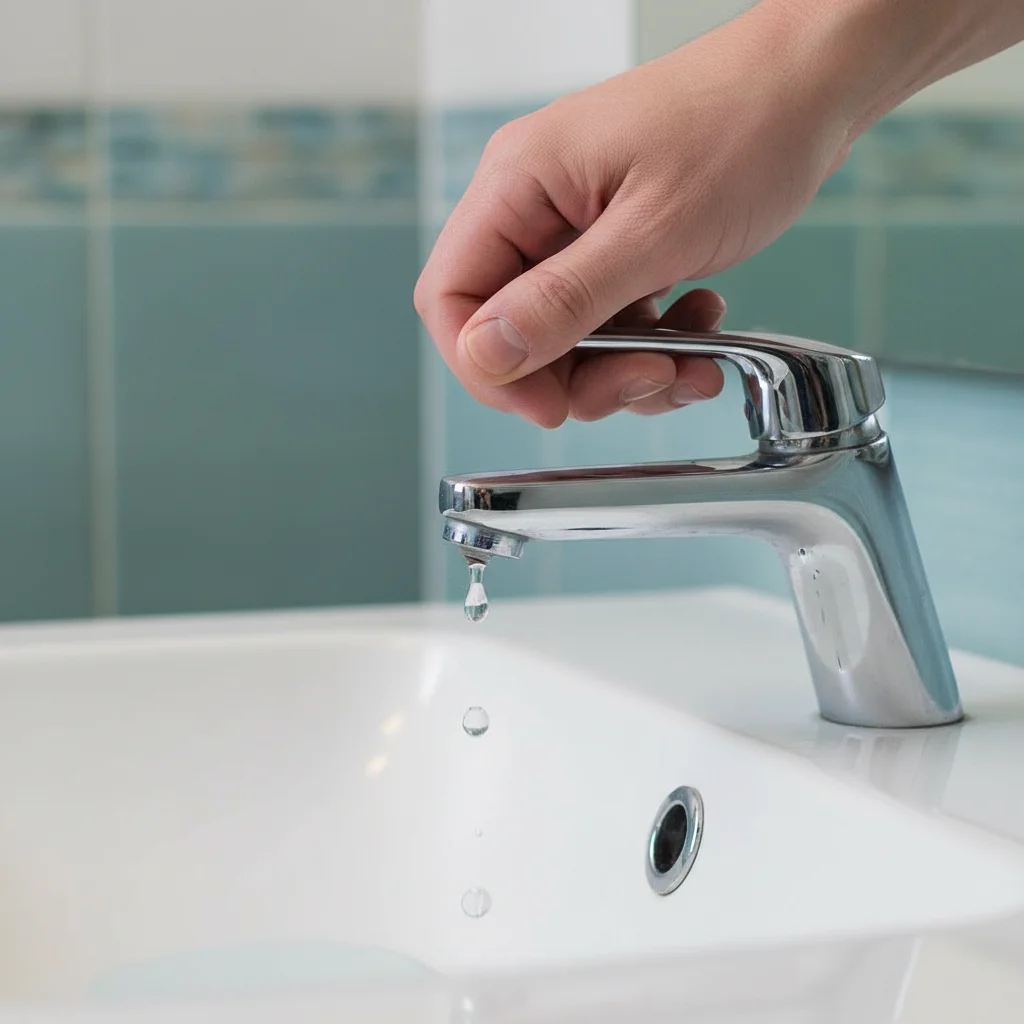
One of the most insidious culprits behind high water bills is often the simplest to fix: leaks. A single dripping faucet, a running toilet, or a hidden pipe leak can waste thousands of gallons of water annually, literally pouring your money down the drain. According to the EPA, household leaks can waste more than 10,000 gallons of water per year, equivalent to the amount of water needed to wash 270 loads of laundry. This staggering figure highlights why addressing leaks should be your top priority when aiming to reduce water bill expenses.
Identifying Leaks: More Than Meets the Eye
While a dripping faucet is obvious, many leaks are not. Here’s how to become a leak detective in your home:
The Toilet Test: Add a few drops of food coloring to your toilet tank. Wait 15-20 minutes without flushing. If the color appears in the bowl, you have a silent leak in your flapper, which is usually an inexpensive and easy fix.
Check Your Water Meter: Ensure no water is being used inside or outside your home. Locate your water meter and record the reading. Wait 15-30 minutes and check the meter again. If the reading has changed, you likely have a leak somewhere in your system.
Inspect Faucets and Showerheads: Look for visible drips. Even a slow drip can add up quickly. Replace worn-out washers or O-rings.
Outdoor Spigots and Irrigation Systems: Check for leaks, especially before and after the watering season. A small leak in an irrigation system can waste a tremendous amount of water.
The Cost of Inaction
Consider a faucet dripping at a rate of one drip per second. That’s about 5 gallons of water per day, or 1825 gallons per year. At an average cost of $2.50 per 1,000 gallons, that’s over $4.50 wasted annually on just one small drip. Multiply that by several leaks, and you can see how quickly these seemingly minor issues inflate your water bill. Fixing these leaks is often a DIY task that requires minimal tools and expertise, making it a highly frugal way to reduce water bill expenditure.
Proactive leak detection and repair are fundamental to efficient water management. By regularly checking for leaks and addressing them promptly, you not only save money but also do your part in conserving a precious resource. This single step can often provide an immediate and noticeable reduction in your monthly water consumption and, consequently, your bill.
2. Upgrade to Water-Efficient Fixtures and Appliances
While fixing leaks is about stopping waste, upgrading fixtures and appliances is about optimizing usage. Modern water-efficient products are designed to perform effectively using significantly less water than their older counterparts. This is a crucial strategy for long-term savings and a substantial way to reduce water bill figures.
Low-Flow Showerheads and Faucets
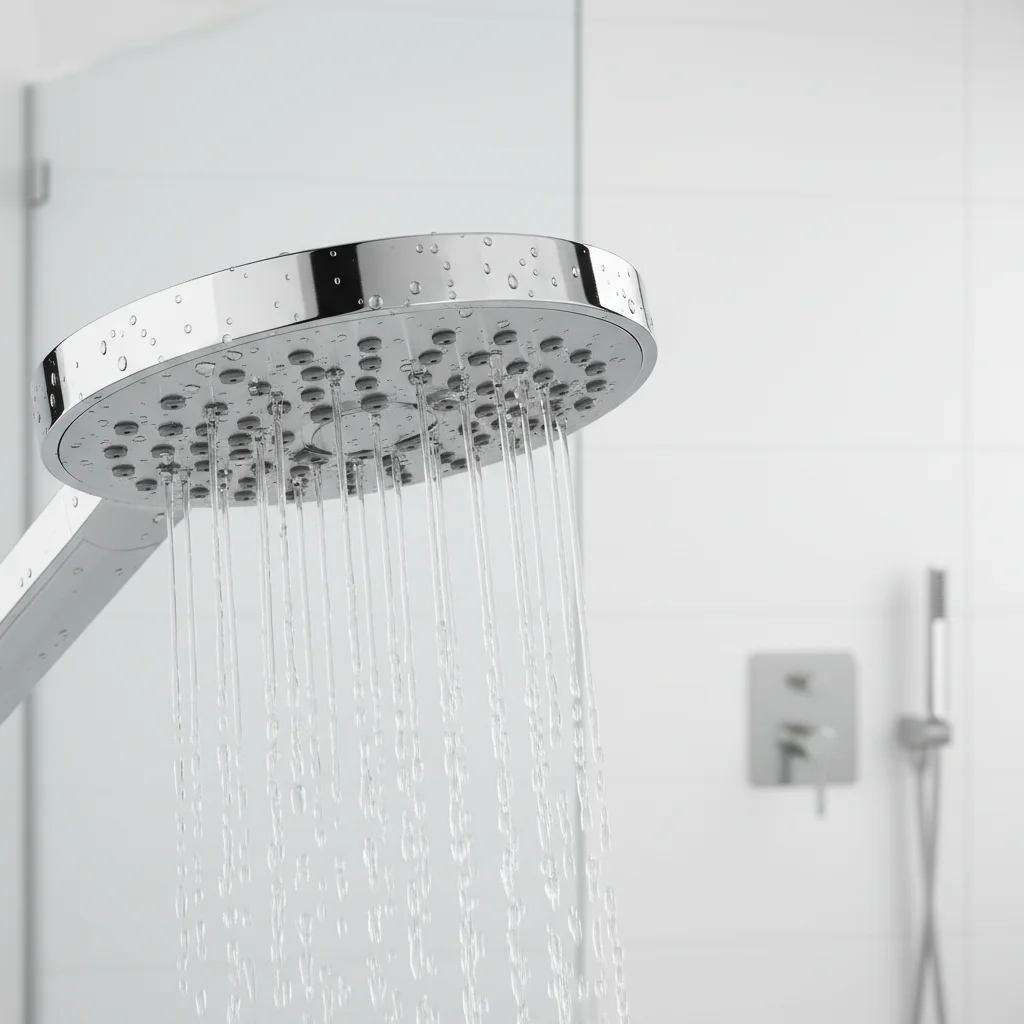
Showerheads are a major water consumer in most homes. Older models can use 2.5 gallons per minute (GPM) or more. By switching to a WaterSense labeled showerhead, you can reduce water flow to 2.0 GPM or less without sacrificing performance. This seemingly small change can save an average family about 2,700 gallons of water per year, which translates to significant energy savings for heating that water too. Similarly, WaterSense labeled bathroom faucets and aerators reduce flow to 1.5 GPM, saving an average of 700 gallons per year per household.
High-Efficiency Toilets (HETs)
Toilets are often the biggest indoor water users. Traditional toilets use 3.5 to 5 gallons per flush (GPF), or even more. High-efficiency toilets (HETs) use 1.28 GPF or less, a 20% reduction from the federal standard. If your home has older, inefficient toilets, replacing them with HETs can save tens of thousands of gallons annually. For example, a family of four could save over 13,000 gallons of water per year by replacing an old 3.5 GPF toilet with an HET. While there’s an initial investment, the payback period is often surprisingly short, making it a smart financial move to reduce water bill costs.
Energy-Star Certified Appliances
When it’s time to replace your washing machine or dishwasher, opt for Energy Star certified models. These appliances are designed to be both energy and water-efficient. Energy Star washing machines use about 25% less energy and 33% less water than conventional models. Dishwashers with the Energy Star label use about 10% less energy and 20% less water. These savings accumulate over the lifespan of the appliance, contributing significantly to your efforts to reduce water bill and electricity expenses.
While these upgrades require an initial outlay, they are investments that pay dividends through lower utility bills and increased home value. Many local utilities also offer rebates for installing water-efficient fixtures and appliances, making these upgrades even more affordable. Research available programs in your area to maximize your savings.
3. Be Mindful of Water Use in the Bathroom
The bathroom is a prime location for water consumption, accounting for more than half of all indoor water use in the average home. Small changes in daily habits within this space can lead to substantial savings and help you reduce water bill totals.
Shorter Showers and Bath Alternatives
Long, hot showers are enjoyable but can be incredibly wasteful. A typical 10-minute shower with an older showerhead can use 25 gallons of water. By cutting your shower time by just a few minutes, you can save several gallons per shower. Consider using a shower timer to keep track. For those who love baths, be aware that a full bathtub can hold 35-50 gallons of water, often more than a typical shower. If you take baths, try to fill the tub only as much as necessary.
Turn Off the Tap
This is one of the easiest and most effective habits to adopt. While brushing your teeth, shaving, or washing your face, turn off the faucet. Letting the water run unnecessarily can waste gallons each day. For example, leaving the tap running while brushing your teeth for two minutes can waste up to 5 gallons of water. Over a year, this simple habit change can save thousands of gallons and help to reduce water bill costs.
Efficient Toilet Flushing
As mentioned, toilets are major water users. If you haven’t upgraded to an HET, you can still be more mindful. The ‘if it’s yellow, let it mellow; if it’s brown, flush it down’ adage is a simple way to reduce flushes. While not for everyone, it can significantly cut down on water use. Also, avoid using the toilet as a wastebasket for tissues or other small items that could be disposed of in the trash, as each flush uses several gallons.
Collect Cold Shower Water
While waiting for your shower water to heat up, place a bucket or watering can in the shower to collect the cold water. This water can then be used for watering plants, flushing toilets, or even cleaning. It’s a simple, zero-cost way to repurpose water that would otherwise go down the drain, directly contributing to your goal to reduce water bill spending.
By implementing these conscious habits in the bathroom, you’ll be amazed at how much water you can save. These aren’t just about saving money; they’re about fostering a greater appreciation for water as a finite resource.
4. Smart Kitchen and Laundry Room Practices
Beyond the bathroom, the kitchen and laundry room are two other significant areas where water is routinely used. Applying smart practices here can further your efforts to reduce water bill expenses.
Full Loads for Dishwashers and Washing Machines
Only run your dishwasher and washing machine when they are full. Both appliances use a significant amount of water per cycle, regardless of whether they are full or half-empty. Running full loads maximizes efficiency and ensures you’re getting the most out of every gallon. For washing machines, also consider using the appropriate water level setting for the size of your load if your machine offers this option. Modern machines with load-sensing technology automatically adjust water levels, but older models often require manual selection.
Scrape, Don’t Rinse Dishes
Before loading dishes into the dishwasher, simply scrape off food scraps rather than pre-rinsing them under running water. Modern dishwashers are powerful enough to clean dishes without extensive pre-rinsing, and this habit can save gallons of water per load. If you must pre-rinse, use a small basin of water or a quick spray rather than letting the tap run.
Defrost Food Safely and Efficiently
Avoid defrosting frozen food under running hot water. This is a massive waste of water and energy. Instead, plan ahead and thaw food in the refrigerator overnight. For quicker defrosting, use the microwave or place food in a sealed bag in a bowl of cold water, changing the water every 30 minutes. These methods are not only more water-efficient but also safer for food handling.
Collect Cooking Water
When boiling vegetables or pasta, consider collecting the cooled water. This nutrient-rich water can be excellent for watering plants, both indoors and outdoors. It’s another simple, free way to reuse water and help reduce water bill costs.
Install Faucet Aerators
Just like in the bathroom, installing low-flow aerators on kitchen faucets can significantly reduce water flow without impacting water pressure for most tasks. These inexpensive devices mix air into the water stream, making it feel like there’s more water than there actually is, saving you gallons every day.
By adopting these mindful kitchen and laundry practices, you’ll significantly cut down on your household’s overall water consumption. These small, consistent efforts compound over time, leading to noticeable savings on your utility bills.
5. Rethink Your Outdoor Water Usage
For many US households, outdoor watering can account for a staggering 30% to 70% of total water consumption, especially in drier climates. Optimizing your outdoor water usage is perhaps the most impactful way to reduce water bill expenses.
Water Smart: Time and Technique
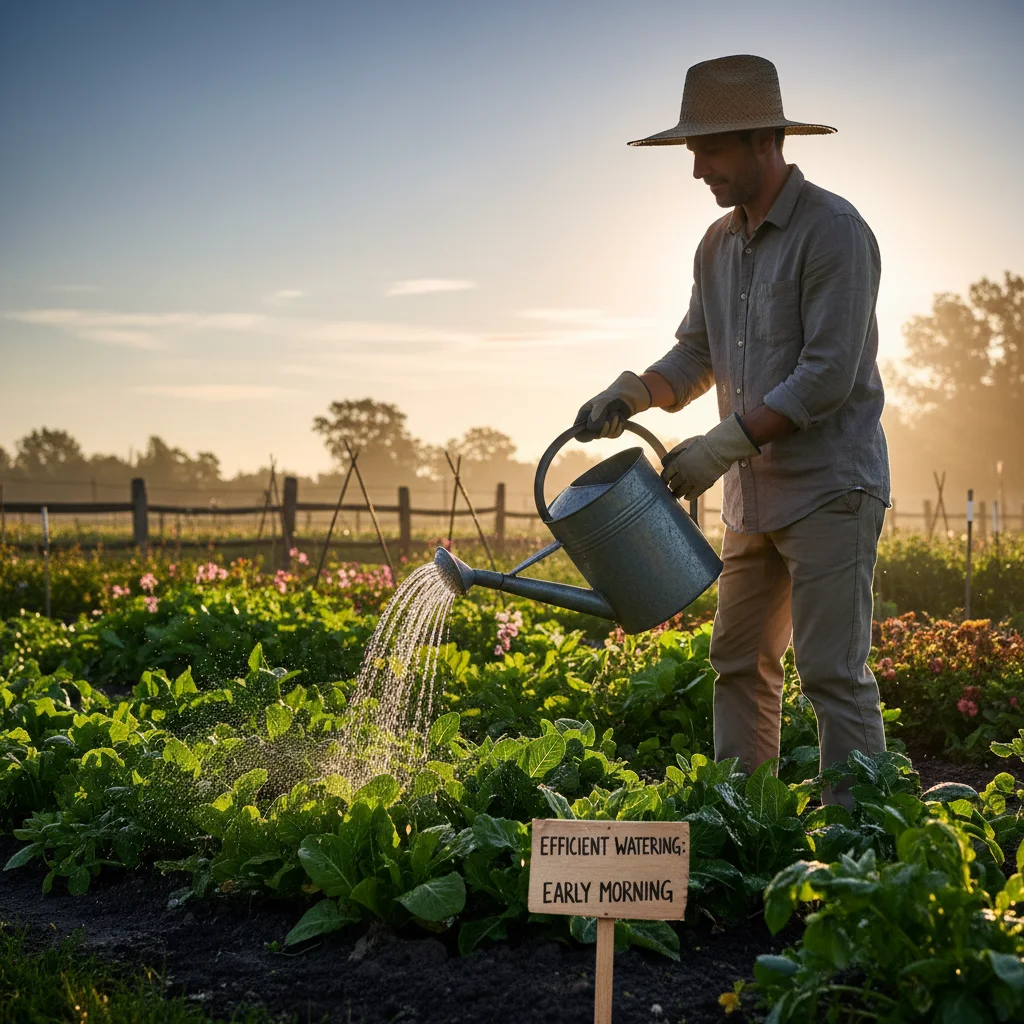
Water Early Morning or Late Evening: The best time to water your lawn and garden is in the early morning (before 10 AM) or late evening (after 6 PM). This minimizes water loss due to evaporation from the sun and wind. Watering during the hottest parts of the day can lead to up to 50% of the water evaporating before it reaches the plant roots.
Water Deeply and Infrequently: Instead of light, daily watering, water your plants deeply but less often. This encourages deeper root growth, making plants more drought-resistant and healthier. Check soil moisture before watering; if the soil is still moist a few inches down, delay watering.
Use Targeted Irrigation: Drip irrigation systems and soaker hoses deliver water directly to the plant roots, minimizing waste from overspray and evaporation. They are far more efficient than traditional sprinklers for garden beds and shrubs.
Adjust Sprinklers: Ensure your sprinklers are watering your lawn and plants, not the driveway, sidewalk, or street. Adjust them regularly to avoid waste.
Smart Landscaping Choices (Xeriscaping)
Consider xeriscaping, a landscaping approach that reduces or eliminates the need for irrigation. This involves:
Drought-Tolerant Plants: Choose native plants or those adapted to your local climate. They require less water once established.
Mulch: Apply a layer of mulch around plants and in garden beds. Mulch helps the soil retain moisture, suppresses weeds (which compete for water), and moderates soil temperature. This can reduce the need for watering by 20-30%.
Reduce Lawn Size: Lawns are often the biggest water guzzlers. Consider replacing portions of your lawn with drought-tolerant groundcovers, native plants, or permeable hardscaping.
Rainwater Harvesting
Install a rain barrel to collect rainwater from your gutters. This free, natural water source can be used for watering plants, washing cars, or other outdoor tasks, significantly reducing your reliance on municipal water. It’s an excellent way to reduce water bill costs while being environmentally responsible.
Transforming your outdoor watering habits and landscaping can yield some of the most dramatic reductions in your water bill. It’s an investment in both your wallet and the planet.
6. Monitor Your Water Bill and Usage Regularly
You can’t manage what you don’t measure. Regularly monitoring your water bill and understanding your usage patterns is a critical step in effectively trying to reduce water bill expenses. Many utility companies provide detailed usage data, often accessible through online portals.
Understand Your Bill
Don’t just pay your bill; read it. Familiarize yourself with the units of measurement (e.g., gallons, cubic feet, CCF) and your average daily or monthly consumption. Look for trends. A sudden spike in usage without an obvious reason (like filling a pool or extensive outdoor watering) could indicate a hidden leak.
Utilize Smart Meter Data (If Available)
Many modern water meters are ‘smart’ and can provide near real-time data on your water consumption. If your utility offers this, take advantage of it. Tracking your usage daily or weekly can help you identify peak consumption times and correlate them with specific activities. This awareness empowers you to make immediate adjustments and see the impact of your water-saving efforts directly.
Set Goals and Track Progress
Once you understand your baseline usage, set a realistic goal to reduce water bill costs by a certain percentage. As you implement the tips discussed, regularly check your meter or online portal to track your progress. Seeing tangible results can be a powerful motivator to continue and even expand your water-saving habits.
Conduct a Home Water Audit
Many water utilities offer free home water audit kits or guides. These kits often include tools like flow bags for showerheads, dye tablets for toilets, and instructions on how to check for leaks. Performing a self-audit can give you a comprehensive picture of where and how water is being used in your home, highlighting areas for improvement.
Regular monitoring transforms water conservation from an abstract concept into a measurable goal. It puts you in control, enabling informed decisions that directly impact your wallet and the environment.
7. Educate Your Household and Community
Water conservation is a collective effort. While individual actions are important, involving your entire household and even your community can amplify the impact and further your goal to reduce water bill expenses for everyone.
Lead by Example
The most effective way to encourage others is to model water-saving behaviors yourself. Let your family see you fixing leaks, turning off the tap, and watering plants efficiently. Actions speak louder than words.
Communicate the ‘Why’
Explain to your family members, especially children, why water conservation is important. Discuss not just the financial benefits (reducing the water bill) but also the environmental reasons (protecting a vital resource, supporting ecosystems). Understanding the broader impact can foster a sense of responsibility and encourage lasting behavioral changes.
Make it a Family Challenge
Turn water saving into a fun challenge. Set a goal for reducing your monthly water usage and track progress together. Reward successful efforts. This can make conservation engaging and memorable for everyone.
Share Knowledge and Resources
Talk to friends, neighbors, and community members about the water-saving tips you’ve learned and implemented. Share resources from your local water utility or environmental organizations. Encourage them to explore ways to reduce water bill costs in their own homes.
Participate in Local Programs
Many communities have water conservation programs, workshops, or initiatives. Get involved! This can be a great way to learn more, connect with like-minded individuals, and contribute to broader conservation efforts. Some programs even offer incentives or free water-saving devices.
By extending your water-saving efforts beyond your immediate actions, you create a ripple effect. A household united in its commitment to conservation can achieve significant reductions in water usage and inspire others to do the same, leading to a more sustainable and cost-effective future for all.
Conclusion: A Sustainable Path to Lower Water Bills
Optimizing your water usage and aiming to reduce water bill expenses by 20% this year is not just an ambitious goal; it’s an entirely achievable one. By systematically implementing the seven frugal tips discussed – from promptly fixing leaks and upgrading to water-efficient fixtures to rethinking outdoor watering and fostering household awareness – you can make a profound impact on both your finances and the environment.
The journey to lower water bills is a continuous one, built on conscious decisions and consistent habits. It requires a shift in mindset, viewing water not as an infinite resource but as a precious commodity that deserves respect and careful management. Each gallon saved is a step towards a more sustainable lifestyle and a direct contribution to your household budget.
Start small, perhaps by tackling the most obvious leak or turning off the tap while brushing your teeth. As you see the positive results, you’ll be motivated to implement more comprehensive changes. Remember, every drop counts, and your efforts to reduce water bill totals are a testament to responsible living. Embrace these strategies, and watch your water consumption and utility costs shrink, paving the way for a more efficient, economical, and eco-friendly home.
Matheus Neiva has a degree in Communication and a specialization in Digital Marketing. Working as a writer, he dedicates himself to researching and creating informative content, always seeking to convey information clearly and accurately to the public.