The Frugal Wardrobe: Building a Stylish Closet for Under $150 This Season
Building a stylish and versatile wardrobe on a budget is not just possible, it's empowering. This guide will show you how to curate a fashionable collection for under $150 this season, focusing on smart choices and maximizing your style per dollar.
By: Matheus Neiva on September 14, 2026
The Frugal Wardrobe: Building a Stylish Closet for Under $150 This Season
In an era where fast fashion often dictates trends and consumer habits, the idea of building a frugal wardrobe style might seem counterintuitive to some. However, cultivating a chic, versatile, and sustainable closet doesn’t require an endless budget. In fact, with a little strategic planning and smart shopping, you can achieve a stunning seasonal wardrobe for under $150. This comprehensive guide will walk you through the essential steps to revolutionize your closet, proving that impeccable style and financial prudence can go hand-in-hand.
Embracing the Frugal Wardrobe Philosophy
The core of a frugal wardrobe style lies in intentionality. It’s about making conscious choices that align with your personal aesthetic, lifestyle, and budget. This approach moves away from impulse buys and fleeting trends, focusing instead on timeless pieces, versatility, and quality that lasts. By adopting this philosophy, you not only save money but also contribute to a more sustainable fashion ecosystem, reducing waste and supporting ethical practices. Building a truly functional and fashionable wardrobe for under $150 this season requires a shift in mindset – from quantity to quality, from trend-driven to style-driven, and from reactive shopping to proactive planning.
Why Opt for a Frugal Wardrobe?
Financial Freedom: The most obvious benefit is saving money. Redirecting funds from endless clothing purchases to other financial goals can be incredibly empowering.
Reduced Clutter: A smaller, more curated wardrobe means less clutter in your living space and an easier time getting dressed each day.
Enhanced Personal Style: When you have fewer items, you learn to be more creative with what you have, which often leads to a more distinctive and authentic personal style.
Environmental Impact: Less consumption means less demand for fast fashion, which often comes with a significant environmental cost.
Stress Reduction: Decision fatigue is real. A streamlined wardrobe simplifies your morning routine and reduces the stress of choosing an outfit.
Step 1: Audit Your Existing Closet – The Foundation of Frugal Wardrobe Style
Before you even think about spending a single dollar, the first crucial step to developing a frugal wardrobe style is to thoroughly audit your current closet. This isn’t just about decluttering; it’s about understanding what you already own, what truly serves you, and identifying gaps. Pull everything out – yes, everything! – and categorize it. This might seem daunting, but it’s an incredibly revealing process.
The Closet Audit Process:
The ‘Love It’ Pile: These are the items you wear regularly, that fit well, and make you feel fantastic. These form the core of your existing style.
The ‘Maybe’ Pile: Clothes you haven’t worn in a while, items that need minor repairs, or things you’re unsure about. Be honest with yourself. If you haven’t worn it in a year, chances are you won’t.
The ‘Donate/Sell/Discard’ Pile: Items that don’t fit, are damaged beyond repair, or simply don’t align with your style anymore. Be ruthless but realistic.
Once you’ve sorted everything, take stock of your ‘Love It’ pile. What colors, fabrics, and silhouettes dominate? This will give you a clear picture of your current aesthetic and help you make informed decisions about future purchases. This foundational step is paramount for a successful frugal wardrobe style transformation, ensuring every new item has a purpose.
Step 2: Define Your Seasonal Needs and Style Goals
With a clear understanding of your current wardrobe, the next step in crafting your frugal wardrobe style is to define your needs for the upcoming season. Consider the weather, your daily activities, and any special events you might have. Are you looking for warm layers, lighter breathable fabrics, or versatile pieces that transition easily?
Questions to Ask Yourself:
What is the predominant climate for the season? (e.g., cold winter, hot summer, mild spring/fall)
What are my primary activities? (e.g., office work, remote work, outdoor activities, social events)
Do I have any specific events coming up that require a particular type of outfit?
What colors and styles make me feel most confident and comfortable?
Are there any gaps in my ‘Love It’ pile that could be filled with a few key pieces?
This phase is all about strategic planning. Instead of thinking about individual items, think about outfits. How can a few key pieces be mixed and matched to create multiple looks? This foresight is what separates an expensive, chaotic closet from a streamlined, frugal wardrobe style that truly works for you.
Step 3: Crafting Your Shopping List – The $150 Challenge
Now for the exciting part: creating your shopping list with a strict budget of $150. This challenge forces creativity and prioritizes value. The goal is not to buy as many items as possible, but to acquire a few high-impact pieces that fill genuine gaps and enhance your existing frugal wardrobe style. Remember, versatility is key.
Prioritizing Purchases:
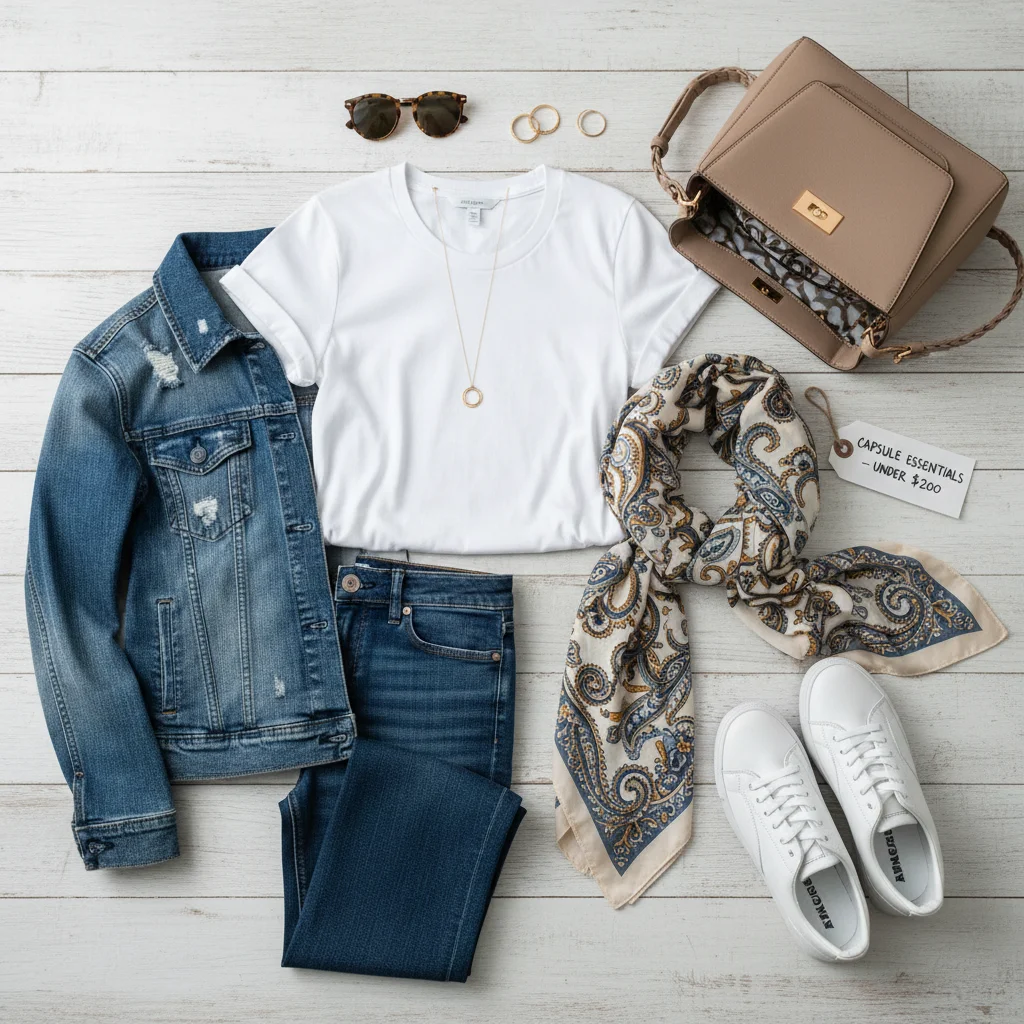
Versatile Basics: These are the workhorses of any wardrobe. Think a classic white or black t-shirt, a well-fitting pair of jeans, a neutral cardigan, or a simple dress that can be dressed up or down.
Layering Pieces: Items like scarves, vests, or light jackets can completely transform an outfit and provide warmth without breaking the bank.
Accessories: Sometimes, a new belt, a statement necklace, or a pair of earrings can refresh your entire look for minimal cost.
One ‘Wow’ Piece: If your budget allows, consider one item that truly excites you and elevates your personal style, perhaps a unique top or a colorful skirt that complements your existing neutrals.
Before you head out or click ‘add to cart’, jot down exactly what you need and what you’re willing to spend on each item. This budget allocation is critical for maintaining your $150 limit and achieving a truly frugal wardrobe style.
Step 4: Smart Shopping Strategies for Under $150
Adhering to a $150 budget for a seasonal wardrobe might seem ambitious, but it’s entirely achievable with the right shopping strategies. This is where your commitment to a frugal wardrobe style truly pays off.
Where to Find Affordable Fashion:
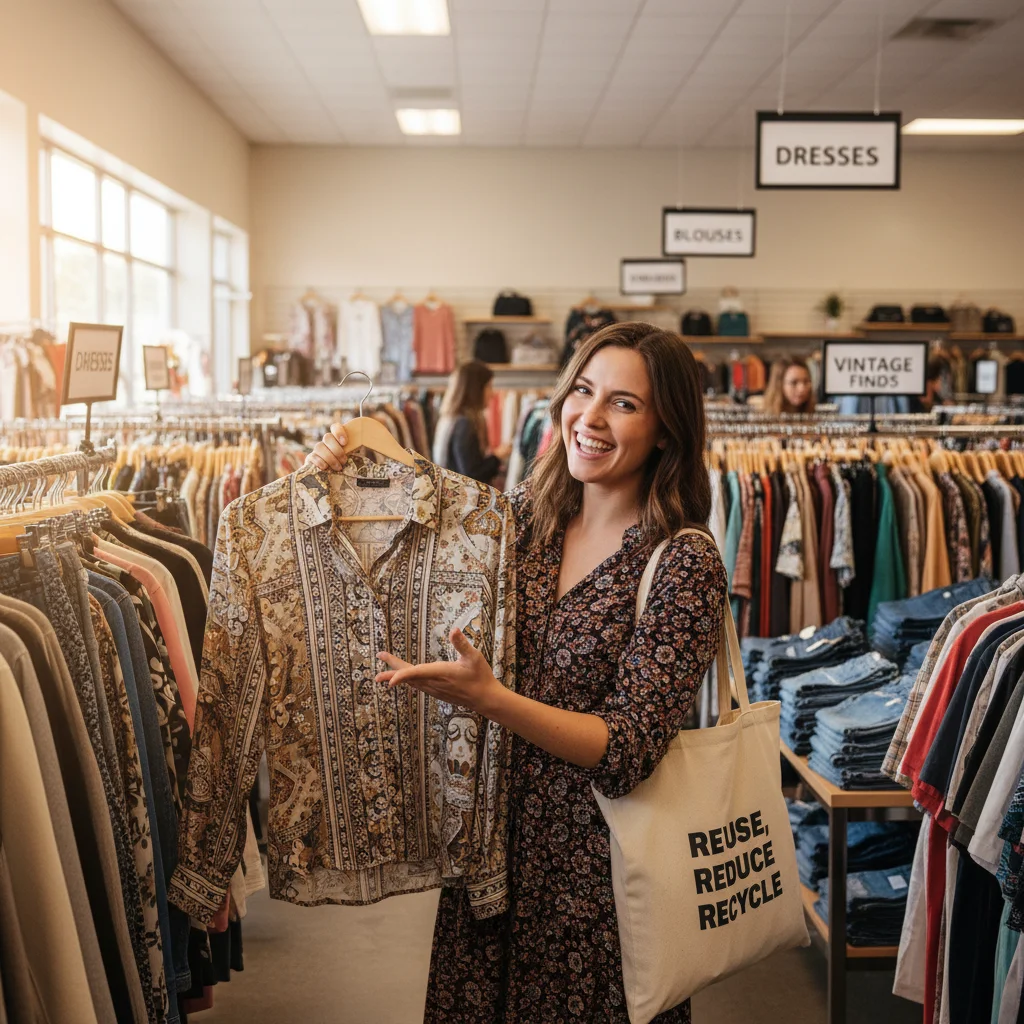
Thrift Stores and Consignment Shops: These are goldmines for unique, high-quality pieces at a fraction of their original price. You can find everything from designer jeans to vintage blouses. Patience is key here, but the rewards are immense.
Online Second-Hand Marketplaces: Websites and apps like Poshmark, Depop, ThredUp, and eBay offer a vast selection of pre-owned clothing. You can often filter by brand, size, and even condition, making it easier to find exactly what you’re looking for.
Clearance Racks and Sales: Don’t shy away from the sale sections of your favorite stores. End-of-season sales, Black Friday, and holiday sales can offer significant discounts.
Discount Retailers: Stores like TJ Maxx, Marshalls, and Ross often carry brand-name items at reduced prices. It requires a bit of hunting, but you can uncover some incredible deals.
Clothing Swaps: Organize a clothing swap with friends or attend local community swaps. It’s a fantastic way to refresh your wardrobe for free and give your pre-loved items a new home.
Tips for Smart Shopping:
Go Prepared: Always shop with your list and budget in hand. This prevents impulse purchases.
Check for Quality: Inspect seams, zippers, buttons, and fabric condition. Even if it’s cheap, it’s not a deal if it falls apart after one wash.
Try Everything On: Sizes vary wildly, especially in second-hand items. Ensure a good fit to avoid buyer’s remorse.
Think Mix and Match: Before buying, visualize at least three different outfits you can create with the new item and pieces you already own.
Don’t Be Afraid to Walk Away: If an item isn’t quite right, doesn’t fit the budget, or doesn’t align with your frugal wardrobe style, let it go. There will always be other opportunities.
Step 5: Maximizing Your Purchases – Styling Your Frugal Wardrobe
Acquiring new pieces is only half the battle; the true art of a frugal wardrobe style lies in how you wear and combine them. With a limited budget, every item needs to earn its keep by being adaptable and versatile. This is where creativity flourishes, and you discover the true potential of your curated collection.
The Power of Versatility:
The Three-Outfit Rule: As mentioned, aim for items that can be styled in at least three different ways. A simple black dress, for example, can be a professional outfit with a blazer, a casual look with sneakers and a denim jacket, or an evening ensemble with statement jewelry.
Layering: Master the art of layering. A basic long-sleeve top under a short-sleeve dress extends its wear into cooler weather. A cardigan or vest can completely change the feel of an outfit.
Accessorize Wisely: Accessories are your secret weapon for a frugal wardrobe style. Scarves, belts, jewelry, and even different shoes can dramatically alter an outfit’s aesthetic without requiring a new clothing purchase.
Color Palette Cohesion: By sticking to a relatively cohesive color palette (e.g., neutrals with a few accent colors), all your pieces will naturally mix and match more easily, creating endless outfit possibilities.
Experimentation is key. Spend time playing dress-up with your new and existing items. Take photos of outfits you love, so you have a visual catalog for those mornings when you’re short on inspiration. This practice reinforces your frugal wardrobe style and helps you get the most out of every purchase.
Step 6: Maintaining Your Frugal Wardrobe for Longevity
A truly sustainable and frugal wardrobe style isn’t just about how you buy; it’s also about how you care for your clothes. Proper maintenance extends the life of your garments, saving you money in the long run and reducing the need for frequent replacements.
Care Tips for Your Clothes:
Read Care Labels: Always follow washing and drying instructions. This seems basic, but it’s the most common reason clothes wear out prematurely.
Wash Less Often: Not every item needs to be washed after every wear. Airing out clothes can often refresh them.
Spot Clean: Address spills and stains immediately with spot cleaning to avoid full washes.
Gentle Washing: Use cold water and gentle cycles when possible. Consider hand-washing delicate items.
Air Dry: The dryer can be harsh on fabrics. Air drying saves energy and preserves clothing shape and elasticity.
Repair, Don’t Replace: Learn basic mending skills like sewing on a button or fixing a loose seam. Small repairs can save a favorite garment from the discard pile.
Proper Storage: Store clothes appropriately – fold knits to prevent stretching, hang delicate items, and use cedar or lavender sachets to deter pests.
By investing a little time in caring for your clothes, you protect your initial investment and ensure your frugal wardrobe style remains intact for many seasons to come.
Beyond the $150 Challenge: Long-Term Frugal Wardrobe Strategies
The $150 challenge is a fantastic way to kickstart your frugal wardrobe style journey, but the principles extend far beyond a single season. Adopting these long-term strategies will ensure your closet remains stylish, sustainable, and budget-friendly year after year.
A capsule wardrobe is a curated collection of essential, versatile items that can be mixed and matched to create numerous outfits. While the $150 challenge focuses on seasonal updates, the ultimate goal of a frugal wardrobe style often aligns with the capsule concept. By focusing on classic pieces in a cohesive color palette, you reduce decision fatigue and always have something to wear.
Investing in Quality Over Quantity:
While the $150 budget emphasizes affordability, it doesn’t mean sacrificing all quality. As you progress in your frugal wardrobe style journey, you might save up to invest in one higher-quality, timeless piece that will last for years. This could be a well-made coat, a classic pair of boots, or a versatile handbag. These items often have a higher cost per wear due to their durability and timeless appeal.
Developing Your Signature Style:
A truly frugal wardrobe style is deeply personal. It’s about understanding what makes you feel good and confident, rather than chasing every trend. Once you identify your signature style – the colors, silhouettes, and fabrics that resonate with you – you’ll make fewer mistakes and build a more cohesive wardrobe over time. This self-awareness is invaluable for making smart purchasing decisions.
Embracing a frugal wardrobe style naturally leads to more sustainable fashion choices. By buying less, choosing second-hand, and caring for your clothes, you reduce your environmental footprint. This ethical dimension adds another layer of satisfaction to your fashion choices, knowing that your style doesn’t come at the expense of the planet or unfair labor practices.
Conclusion: Your Stylish, Sustainable, and Frugal Wardrobe Awaits
Building a stylish closet for under $150 this season is not just a challenge; it’s an opportunity to redefine your relationship with fashion. By auditing your closet, planning strategically, employing smart shopping tactics, and caring for your garments, you can cultivate a frugal wardrobe style that is both chic and financially responsible. Remember, true style isn’t about how much money you spend, but how creatively and intentionally you express yourself with what you have. Embrace the journey, experiment with your looks, and enjoy the confidence that comes with a thoughtfully curated, budget-friendly wardrobe. Your path to a more sustainable and stylish future starts now.
Matheus Neiva has a degree in Communication and a specialization in Digital Marketing. Working as a writer, he dedicates himself to researching and creating informative content, always seeking to convey information clearly and accurately to the public.