Sustainable Fashion on a Budget: Building a US Wardrobe for Under $200 in 2026
Building a sustainable wardrobe on a tight budget in the US by 2026 is entirely achievable. This guide offers practical strategies, from smart shopping to embracing ethical brands, to help you create a stylish, eco-conscious closet without breaking the bank.
By: Matheus Neiva on April 3, 2026
Last updated on: July 31, 2026
Sustainable Fashion on a Budget: Building a US Wardrobe for Under $200 in 2026
Sustainable Fashion on a Budget: Building a US Wardrobe for Under $200 in 2026
In an era where environmental consciousness is no longer a niche trend but a global imperative, the fashion industry faces increasing scrutiny. Fast fashion, with its rapid production cycles, low prices, and often questionable labor practices, has contributed significantly to pollution, waste, and social injustice. As consumers, many of us are eager to shift towards more ethical and eco-friendly choices, but often the perception is that sustainable fashion comes with a hefty price tag. This can be a significant barrier, especially for those navigating a tight budget.
However, the good news is that building a truly sustainable fashion budget wardrobe in the US for under $200 by 2026 is not just a pipe dream; it’s an achievable goal. It requires a shift in mindset, a bit of strategic planning, and a willingness to explore alternative shopping avenues. This comprehensive guide will walk you through the practical steps, innovative resources, and essential tips to curate a stylish, ethical, and eco-conscious wardrobe without breaking the bank. We’re not just talking about saving money; we’re talking about making informed choices that benefit both your wallet and the planet.
The year 2026 isn’t far off, and the landscape of sustainable fashion is evolving rapidly. More brands are adopting ethical practices, second-hand markets are booming, and consumer awareness is at an all-time high. This means that the resources and opportunities to build a sustainable fashion budget are more accessible than ever before. Let’s dive into how you can make this a reality.
Understanding Sustainable Fashion on a Budget: More Than Just Clothes
Before we delve into the ‘how-to,’ it’s crucial to define what we mean by ‘sustainable fashion’ in the context of a budget. Sustainable fashion encompasses more than just the materials used in clothing. It considers the entire lifecycle of a garment, from its raw materials and manufacturing processes to its distribution, use, and eventual disposal. Key aspects include:
Ethical Production: Ensuring fair wages, safe working conditions, and no child labor.
Environmental Impact: Minimizing water usage, pollution, carbon emissions, and microplastic shedding.
Durability and Longevity: Creating high-quality garments that last longer, reducing the need for frequent replacements.
Circular Economy Principles: Promoting reuse, repair, recycling, and upcycling to keep materials in circulation.
Conscious Consumption: Encouraging consumers to buy less, choose well, and make their clothes last.
When you’re working with a sustainable fashion budget of under $200, you’re not just looking for cheap clothes; you’re looking for value that aligns with these principles. This often means prioritizing quality over quantity, and embracing alternatives to newly manufactured items.
The $200 Challenge: Setting Realistic Expectations for Your Sustainable Fashion Budget
A $200 budget for an entire wardrobe might seem daunting, but it’s achievable if you approach it strategically. This isn’t about buying a whole new closet overnight. Instead, it’s about making thoughtful additions and replacements over time, focusing on versatility and longevity. Your $200 might go towards:
A few key foundational pieces.
Upgrading existing items through repair or alteration.
Investing in a versatile accessory that elevates multiple outfits.
Building a capsule wardrobe with interchangeable items.
The key is to think of your sustainable fashion budget as an ongoing commitment rather than a one-time shopping spree. It’s about smart choices that compound over time, leading to a more ethical and economical wardrobe.
Phase 1: The Wardrobe Audit and Planning (Zero Cost, Maximum Impact)
The first and most critical step in building a sustainable fashion budget wardrobe is to understand what you already own. This phase costs nothing but time and offers immense returns.
Declutter and Evaluate Your Current Wardrobe
Empty your closet. Yes, all of it. Lay everything out where you can see it. This visual exercise is often eye-opening. As you go through each item, ask yourself:
Do I love it? Does it make me feel good when I wear it?
Does it fit? Is it comfortable and flattering?
Have I worn it in the last year? Be honest.
Is it in good condition? Can it be repaired?
Does it align with my current style?
Categorize your clothes into three piles:
Keep: Items you love, wear regularly, and are in good condition.
Repair/Alter: Items that could be brought back to life with a minor fix (e.g., missing button, small tear, hem adjustment).
Donate/Sell/Upcycle: Items that no longer serve you but are still wearable or have potential for a new life.
This process not only clears out clutter but also helps you identify gaps in your wardrobe and understand your true style preferences. It’s a foundational step for any sustainable fashion budget.
Define Your Style and Needs
Once you know what you have, think about what you need. What kind of lifestyle do you lead? What are your daily activities? Do you need clothes for work, casual outings, special occasions, or a mix of everything? Consider:
Color Palette: Stick to a cohesive color palette that allows for easy mixing and matching. Neutrals (black, white, gray, navy, beige) are excellent foundations.
Core Pieces: Identify versatile items that can be dressed up or down (e.g., a classic pair of jeans, a simple white tee, a black dress, a versatile blazer).
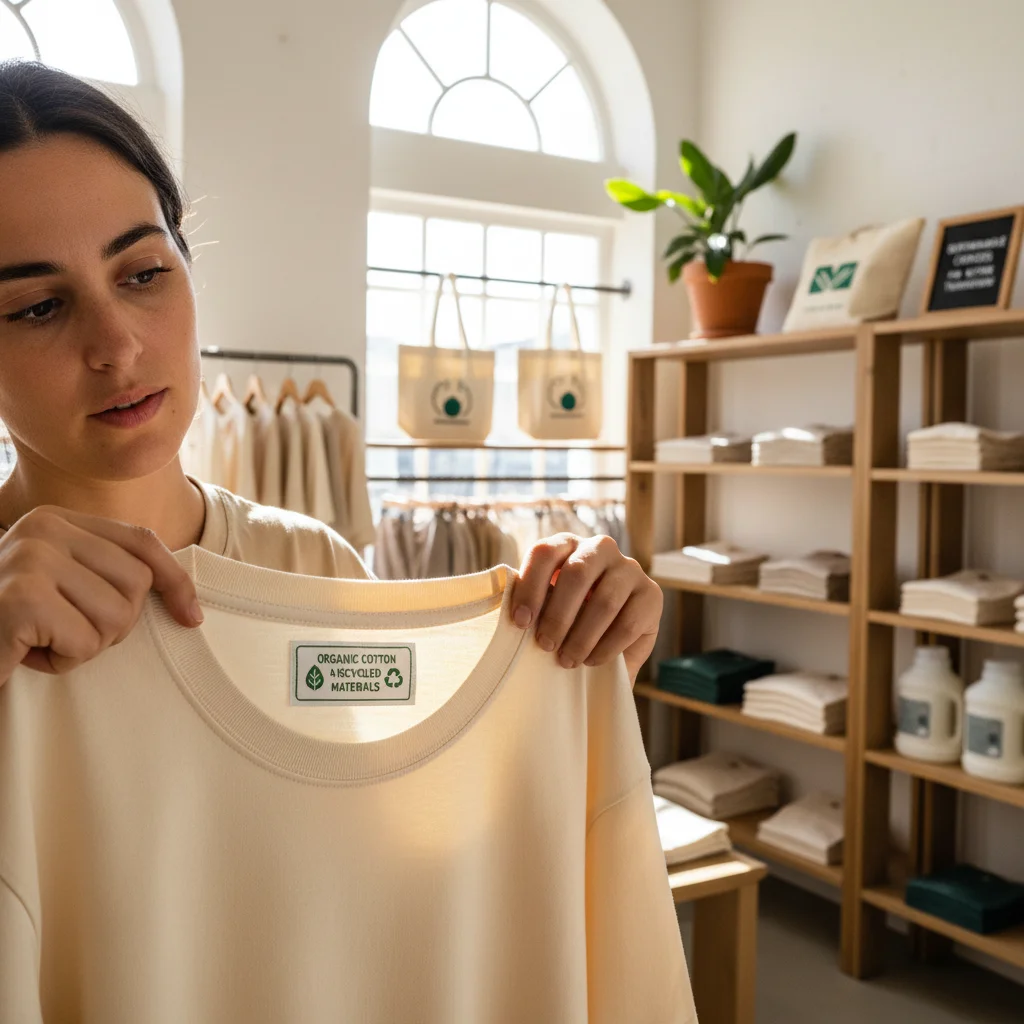
Fabric Preferences: Prioritize natural, durable fibers like organic cotton, linen, hemp, Tencel, or wool, which tend to last longer and are more eco-friendly than synthetics.
Climate: Factor in the weather in your region. Do you need more layers, breathable fabrics, or warmer outerwear?
This planning stage is crucial for making intentional purchases within your sustainable fashion budget. It prevents impulse buys and ensures every new item genuinely adds value to your wardrobe.
Phase 2: Smart Shopping Strategies for a Sustainable Fashion Budget (Under $200)
Now that you know what you have and what you need, it’s time to hit the (sustainable) stores. This phase focuses on where and how to shop to maximize your $200 budget.
Embrace the Second-Hand Market: Your Best Friend for Sustainable Fashion on a Budget
The second-hand market is arguably the most powerful tool for building a sustainable fashion budget wardrobe. It’s inherently circular, keeping clothes out of landfills and giving them a new life. Plus, the prices are unbeatable.
Thrift Stores and Consignment Shops
Physical thrift stores (like Goodwill, Salvation Army, local charities) and consignment shops (which often offer higher-quality, curated selections) are treasure troves. Dedicate time to browsing, and don’t be afraid to dig. Look for:
Quality Fabrics: Feel for natural fibers and well-constructed seams.
Classic Styles: Timeless pieces will serve you longer than fleeting trends.
Items that need minor repairs: If you’re handy with a needle and thread, a missing button or a loose hem can mean a great deal.
Unique Finds: Sometimes you’ll stumble upon a designer piece or a vintage gem.
Prices at thrift stores are usually incredibly low, allowing your $200 sustainable fashion budget to stretch significantly. You might find several high-quality items for the price of one new fast-fashion garment.
Online Resale Platforms
The digital age has revolutionized second-hand shopping. Platforms like Poshmark, Depop, ThredUp, eBay, and even Facebook Marketplace offer a vast selection of pre-owned clothing. These platforms are excellent for:
Specific Searches: Looking for a particular brand, size, or style is much easier online.
Designer Deals: Often, you can find high-end brands at a fraction of their original price.
Convenience: Shop from the comfort of your home.
Remember to check seller reviews, ask for additional photos or measurements, and factor in shipping costs when budgeting. These platforms are invaluable for building a sustainable fashion budget.
Budget-Friendly Ethical Brands and Sales
While the focus for a sub-$200 budget will heavily lean on second-hand, there are instances where investing in a new, ethically made item might be worthwhile, especially if you find a brand that deeply aligns with your values and offers sales or discounts.
Look for Sales and Clearance
Even ethical and sustainable brands have sales. Sign up for newsletters, follow your favorite brands on social media, and keep an eye out for seasonal clearances. Sometimes, a high-quality, ethically produced item on sale can fit within your sustainable fashion budget.
Consider Affordable Ethical Brands
Some brands are dedicated to sustainability and ethical practices while striving to keep their prices accessible. Research brands that use organic cotton, recycled materials, or fair-trade certifications. Examples might include Pact, Everlane (some lines), or Girlfriend Collective (for activewear, often on sale). Always check their transparency reports to ensure their claims are legitimate.
DIY and Upcycling: Transforming What You Already Have
Your $200 sustainable fashion budget doesn’t have to be solely for purchasing new items. It can also be allocated to materials for transforming existing clothes. This is a highly creative and sustainable approach.
Repair: Learn basic mending techniques (sewing on buttons, fixing small holes, mending seams).
Alter: A simple hem adjustment or taking in a waist can completely change the look and fit of a garment. Consider DIY alterations or finding an affordable local tailor.
Upcycle: Turn an old pair of jeans into shorts or a skirt, dye faded clothes, or add embellishments to refresh an item.
Investing in a basic sewing kit or some fabric dye can save you money in the long run and allow you to personalize your wardrobe, further stretching your sustainable fashion budget.
Phase 3: Maximizing Your Sustainable Fashion Budget Wardrobe’s Lifespan
Buying sustainable is only half the battle; the other half is making your clothes last. This ensures your initial investment, whether it’s $5 from a thrift store or $50 from an ethical brand, provides maximum value.
Proper Care and Maintenance
The way you care for your clothes significantly impacts their lifespan. Read care labels! Many garments are over-washed or washed incorrectly.
Wash Less: Only wash clothes when they are truly dirty. Airing out garments can often suffice.
Cold Water Wash: Save energy and prevent shrinking/fading by washing in cold water.
Gentle Cycle: Protect delicate fabrics from wear and tear.
Air Dry: Tumble dryers consume a lot of energy and can damage fabrics over time. Hang dry whenever possible.
Spot Clean: Address small stains immediately instead of washing the entire garment.
These practices not only extend the life of your clothes but also reduce your environmental footprint and save on utility bills, indirectly contributing to your sustainable fashion budget.
Storage Solutions
Proper storage prevents damage. Fold sweaters to prevent stretching, hang delicate items, and ensure clothes are stored in a dry, clean environment to avoid mold or insect damage.
Embrace the Capsule Wardrobe Concept
A capsule wardrobe is a curated collection of essential, versatile clothing items that can be mixed and matched to create numerous outfits. This philosophy perfectly complements a sustainable fashion budget because it emphasizes quality over quantity and promotes intentional purchasing.
Fewer Items, More Outfits: With 20-40 versatile pieces, you can create a multitude of looks.
Reduces Decision Fatigue: Getting dressed becomes quicker and easier.
Highlights Personal Style: Forces you to define what you truly love and wear.
Minimizes Waste: Less impulse buying, fewer clothes ending up in landfills.
Building a capsule wardrobe helps you stay within your $200 sustainable fashion budget by focusing your purchases on items that truly serve multiple purposes.
A sustainable fashion budget isn’t just about what you buy; it’s about your entire approach to clothing.
Borrow, Swap, Rent
Clothing Swaps: Organize or join clothing swap events with friends or community groups. It’s a fantastic way to refresh your wardrobe for free.
Borrow from Friends: For special occasions, consider borrowing a dress or suit from a friend instead of buying something new that you’ll wear once.
Rentals: For very specific events, consider renting formal wear or designer pieces. While this might exceed a strict $200 annual budget for a single item, it’s a sustainable alternative to buying if you need something truly unique.
Educate Yourself and Others
Stay informed about sustainable fashion practices, ethical brands, and the impact of your choices. Share your knowledge with friends and family. The more informed we all are, the greater the collective shift towards a more sustainable fashion industry.
Resist Fast Fashion Temptations
Fast fashion brands are masters of marketing. Be aware of their tactics and consciously resist the urge for cheap, trendy items that will quickly fall apart or go out of style. Remember the true cost of these items – to the environment and to the people who make them. Staying strong against these temptations is crucial for maintaining your sustainable fashion budget.
Real-World Example: Building a $200 Sustainable Wardrobe in 2026
Let’s imagine you’re starting with a decent base of essentials (jeans, t-shirts) and want to add some versatile pieces to elevate your sustainable fashion budget wardrobe. Here’s a hypothetical breakdown:
Item 1: Versatile Blazer (Thrifted) – $25
Found a high-quality wool-blend blazer at a local thrift store. Perfect for work or dressing up jeans.
Item 2: Classic White Button-Down Shirt (Online Resale) – $20
Scored a pristine organic cotton shirt from a well-known ethical brand on Poshmark.
Item 3: Durable Black Trousers (Consignment) – $35
Found a pair of well-fitting, sturdy black trousers at a consignment shop, ideal for formal or casual wear.
Item 4: Stylish Knit Sweater (Thrifted) – $15
A cozy, natural fiber sweater that adds warmth and texture.
Item 5: Statement Scarf (Thrifted/DIY) – $10
A colorful, pre-loved scarf that can transform multiple outfits, or a piece of fabric upcycled into a scarf.
Item 6: Quality Leather Belt (Online Resale) – $25
A durable, pre-owned leather belt that can last for years.
Item 7: Basic Black Dress (Thrifted) – $20
A simple, versatile black dress that can be styled in countless ways.
Item 8: Repair/Alteration Fund – $20
Set aside for minor repairs or alterations to existing items or new thrift finds.
Item 9: Eco-Friendly Laundry Supplies – $10
Investing in sustainable detergent and stain removers prolongs garment life.
Total: $180
This example demonstrates how carefully chosen items from various second-hand sources, combined with a small fund for maintenance, can create a significantly more robust and sustainable fashion budget wardrobe within your $200 limit. The remaining $20 can be saved for future needs or a small, ethically sourced accessory.
The Future of Sustainable Fashion on a Budget in 2026
As we look towards 2026, the landscape for building a sustainable fashion budget is only going to improve. Technological advancements in textile recycling, increased transparency from brands, and a growing global awareness of environmental issues will continue to shape the industry. Consumers will have even more tools and resources at their disposal to make informed, ethical, and budget-friendly choices.
The rise of rental services for everyday wear, not just special occasions, could become more mainstream. Community repair workshops and DIY fashion movements are gaining traction, empowering individuals to take control of their clothing’s lifespan. Digital fashion and virtual try-ons might reduce the need for physical samples and returns, further minimizing waste.
Ultimately, building a sustainable fashion budget wardrobe is a journey, not a destination. It’s about continuous learning, conscious choices, and finding joy in a closet that reflects your values and respects the planet. With a little effort and the strategies outlined in this guide, you can absolutely achieve a stylish, ethical, and affordable wardrobe in the US for under $200 in 2026.
Final Thoughts: Your Impact Matters
Every purchase you make, or choose not to make, sends a signal to the fashion industry. By embracing a sustainable fashion budget, you’re not just saving money; you’re actively participating in a movement towards a more ethical and environmentally responsible future. You’re proving that style and sustainability don’t have to be mutually exclusive, even on a tight budget. Start today, and be a part of the positive change.
Matheus Neiva has a degree in Communication and a specialization in Digital Marketing. Working as a writer, he dedicates himself to researching and creating informative content, always seeking to convey information clearly and accurately to the public.