The Impact of Current Inflation Rates on Your Investment Returns: Strategies for Protecting Your Capital in 2026
The economic landscape is constantly shifting, and one of the most significant forces shaping investor returns today is inflation. As we look towards 2026, understanding how current inflation rates can erode your purchasing power and investment gains is paramount. For many investors, the notion of inflation might seem abstract, a macroeconomic concept discussed by experts. However, its tangible effects can be felt directly in the performance of your portfolio, the value of your savings, and your overall financial well-being. This comprehensive guide aims to demystify the impact of inflation on investments and provide actionable strategies to protect investments inflation, ensuring your capital not only survives but thrives in the coming years.
Inflation, at its core, is the rate at which the general level of prices for goods and services is rising, and consequently, the purchasing power of currency is falling. When inflation is high, every dollar you own or invest buys less than it did before. For investors, this means that the real return on their investments – the return after accounting for inflation – can be significantly lower than the nominal return. If your investments yield a 5% nominal return but inflation is running at 3%, your real return is only 2%. In extreme cases, if inflation outpaces your nominal returns, you could actually be losing purchasing power, even if your portfolio shows positive gains on paper.
The year 2026 is projected to continue experiencing the reverberations of recent economic policies, supply chain disruptions, and geopolitical events that have fueled inflationary pressures. Therefore, a proactive approach to managing your portfolio in this environment is not just advisable; it’s essential. This article will delve into the mechanisms through which inflation affects various asset classes, explore historical precedents, and, most importantly, equip you with robust strategies to protect investments inflation and safeguard your financial future.
Understanding the Mechanics: How Inflation Erodes Investment Value
To effectively protect investments inflation, it’s crucial to first understand the specific ways in which it can diminish your wealth. Inflation doesn’t affect all assets equally; some are more vulnerable, while others can act as a hedge. Let’s break down the primary mechanisms:
Reduced Purchasing Power of Future Returns
The most direct impact of inflation is on the purchasing power of your money. When you invest, you expect a return that will allow you to buy more in the future. However, if inflation is high, the goods and services you intend to purchase will cost more. This means that even if your investment generates a positive nominal return, the real value of that return – what it can actually buy – will be less. This erosion of purchasing power is a silent thief, gradually diminishing the true worth of your accumulated wealth over time. For long-term investors, particularly those planning for retirement, this effect can be particularly insidious, as the cumulative impact of even moderate inflation over decades can be substantial.
Impact on Fixed-Income Investments
Fixed-income assets, such as bonds and certificates of deposit (CDs), are particularly susceptible to inflation. These investments pay a fixed interest rate over a specified period. When inflation rises, the fixed payments you receive become less valuable in real terms. For example, if you hold a bond paying 2% interest and inflation jumps to 4%, you are effectively losing 2% of your purchasing power each year. The market value of existing bonds also typically falls when inflation expectations rise, as new bonds are issued with higher interest rates to compensate for the higher inflation, making older, lower-yielding bonds less attractive. This makes it challenging to protect investments inflation within a fixed-income heavy portfolio.
Pressure on Equity Valuations
The impact of inflation on equities (stocks) is more nuanced. On one hand, some companies, particularly those with strong pricing power and low capital expenditures, can pass on higher costs to consumers, thereby maintaining or even increasing their profits. On the other hand, high inflation can lead to increased input costs (raw materials, labor), higher interest rates (making borrowing more expensive), and reduced consumer spending power, all of which can negatively impact corporate earnings. Furthermore, higher interest rates, often a response to inflation, can make future earnings less valuable when discounted back to the present, leading to lower stock valuations. Companies that rely heavily on debt financing or have thin profit margins are especially vulnerable.
Real Estate and Commodities as Inflation Hedges
Historically, certain assets have been considered better hedges against inflation. Real estate, for instance, often sees its value appreciate during inflationary periods, as replacement costs for new construction rise and rental income can be adjusted upwards. Commodities, such as gold, oil, and agricultural products, also tend to perform well when inflation is high, as their prices are directly tied to the cost of goods and services. However, these assets come with their own set of risks and require careful consideration within a diversified portfolio aimed at helping you protect investments inflation.
Historical Context: Lessons from Past Inflationary Periods
To better prepare for 2026, it’s beneficial to look back at past periods of high inflation and observe how different investment strategies fared. The 1970s in the United States offer a stark example of sustained high inflation, driven by oil shocks and expansionary monetary policies. During this decade, traditional portfolios heavily reliant on stocks and bonds struggled significantly. Stocks experienced a ‘lost decade’ with minimal real returns, and bond investors saw their purchasing power severely eroded.
However, assets like real estate and commodities, particularly gold, performed exceptionally well. Gold prices soared as investors sought a safe haven against currency debasement. This historical perspective underscores the importance of diversification and considering alternative assets when inflation becomes a dominant economic theme. While history doesn’t repeat itself exactly, it often rhymes, and understanding these patterns can provide valuable insights for those looking to protect investments inflation in the current environment.
Strategies to Protect Your Capital in 2026
Now that we understand the ‘why,’ let’s delve into the ‘how.’ Protecting your capital from the ravages of inflation requires a multi-faceted approach, combining strategic asset allocation, careful selection of investment vehicles, and a disciplined long-term perspective. Here are some key strategies to consider for 2026:
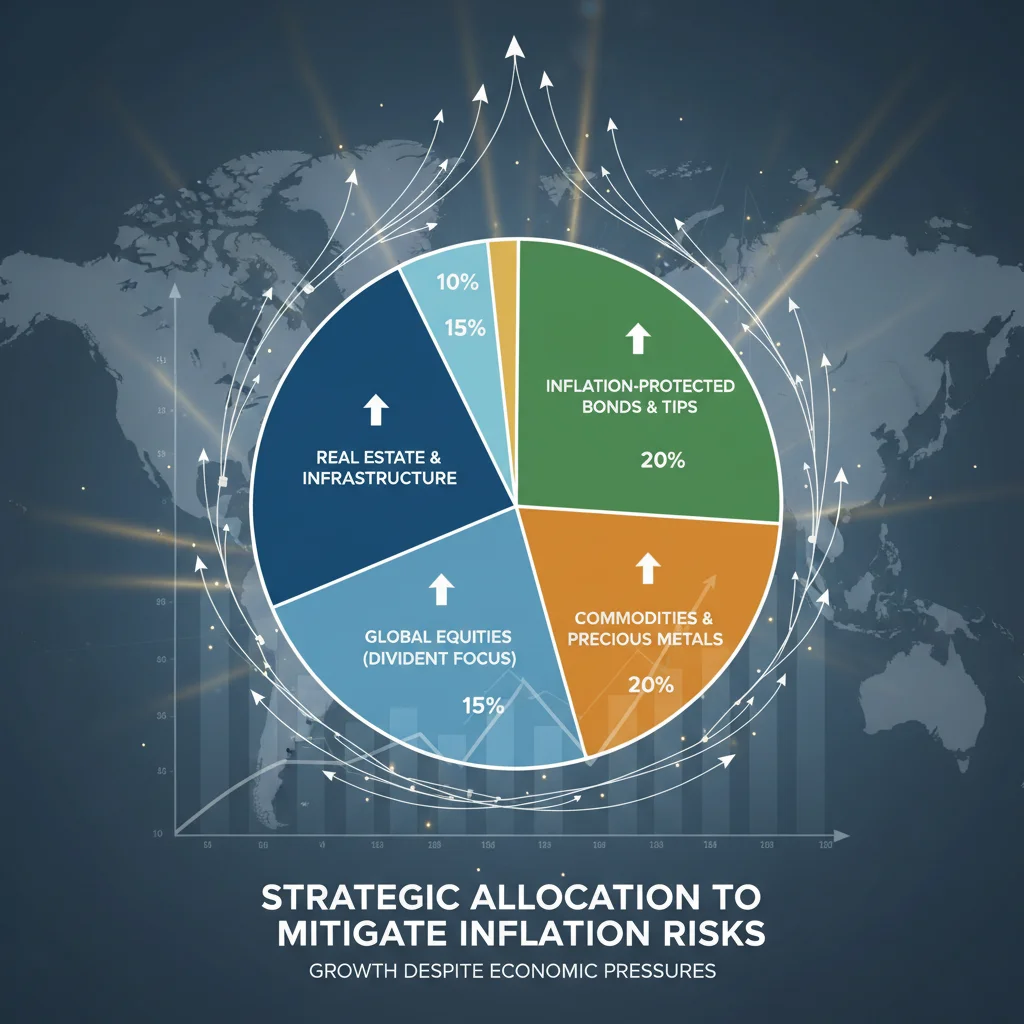
1. Diversify Your Portfolio with Inflation-Resistant Assets
Diversification is always a cornerstone of sound investment, but it becomes even more critical during inflationary times. Including assets that historically perform well in inflationary environments can help offset losses in more vulnerable parts of your portfolio. Consider allocating a portion of your capital to:
- Real Estate: Direct ownership of income-producing properties, or indirect investment through Real Estate Investment Trusts (REITs), can provide a hedge. Rents can be adjusted for inflation, and property values often appreciate.
- Commodities: Gold, silver, oil, and industrial metals often see their prices rise with inflation. Exchange-Traded Funds (ETFs) that track commodity indices offer an accessible way to gain exposure.
- Treasury Inflation-Protected Securities (TIPS): These are U.S. Treasury bonds whose principal value adjusts with the Consumer Price Index (CPI), providing a direct hedge against inflation.
- Inflation-Linked Bonds: Similar to TIPS, these bonds from various governments and corporations offer protection against rising prices.
- Infrastructure: Investments in infrastructure projects (e.g., utilities, toll roads) often come with inflation-linked revenue streams, making them resilient.
2. Focus on Companies with Pricing Power and Strong Balance Sheets
In the equity market, not all stocks are created equal when it comes to inflation. Identify companies that have the ability to raise prices without significantly impacting demand – these are often firms with strong brands, essential products/services, or dominant market positions. Furthermore, prioritize companies with robust balance sheets, low debt levels, and strong cash flow generation. These firms are better equipped to absorb rising input costs and higher interest rates without severely impacting profitability. Avoid companies with high debt, thin margins, or those operating in highly competitive industries where passing on costs is difficult. This selective approach is vital to protect investments inflation within your stock portfolio.
3. Consider Value Stocks Over Growth Stocks
While growth stocks have dominated markets for many years, inflationary environments often favor value stocks. Growth stocks derive a significant portion of their value from future earnings, which are discounted more heavily when interest rates rise in response to inflation. Value stocks, on the other hand, typically have more immediate earnings and are often less sensitive to interest rate fluctuations. Companies in sectors like financials, energy, and certain industrials can sometimes perform better in inflationary periods. Rebalancing your equity exposure towards value can be a strategic move to protect investments inflation.
4. Shorten Duration of Fixed-Income Holdings
For fixed-income investors, managing duration is key. Duration measures a bond’s sensitivity to interest rate changes. Bonds with longer durations are more sensitive to rising rates (and thus rising inflation expectations). To mitigate this risk, consider shortening the duration of your bond portfolio by investing in shorter-term bonds or bond funds. While shorter-term bonds offer lower yields, they reduce your exposure to interest rate risk and allow you to reinvest at higher rates sooner if inflation persists and central banks continue to tighten monetary policy. This tactical adjustment helps to protect investments inflation in your bond segment.
5. Evaluate International Investments
Diversifying geographically can also offer a hedge against domestic inflation. Different countries experience inflation at varying rates due to local economic conditions, monetary policies, and fiscal decisions. Investing in markets with lower inflation or currencies that are expected to strengthen relative to your home currency can provide an additional layer of protection. However, international investing introduces currency risk and geopolitical considerations, so thorough research and professional advice are essential.
6. Review and Adjust Your Budget and Spending Habits
Beyond portfolio adjustments, managing your personal finances is critical. High inflation means your money buys less, so reviewing your budget and spending habits becomes even more important. Look for areas where you can cut unnecessary expenses, especially discretionary spending. Consider locking in prices for essential services where possible, and take advantage of sales or bulk purchases for non-perishable goods if it makes financial sense. Every dollar saved or spent more efficiently is a dollar that retains more of its purchasing power, indirectly helping you to protect investments inflation by reducing the need to draw down capital.
7. Stay Informed and Adaptable
The economic environment is dynamic, and inflation rates can be volatile. Staying informed about central bank policies, economic indicators (like CPI and PPI), and global events is crucial. Be prepared to adapt your investment strategy as new information emerges. Regular portfolio reviews with a qualified financial advisor can help you make timely adjustments and ensure your strategy remains aligned with your financial goals and the prevailing economic conditions. This proactive monitoring is a fundamental component of how to protect investments inflation over the long term.

The Role of a Financial Advisor in an Inflationary Environment
Navigating an inflationary environment can be complex, and the strategies required to protect investments inflation are often sophisticated. This is where a skilled financial advisor becomes an invaluable partner. A good advisor can help you:
- Assess Your Risk Tolerance: Understand how much risk you are comfortable taking, especially when considering alternative assets like commodities or real estate.
- Develop a Customized Strategy: Tailor an investment plan that aligns with your specific financial goals, time horizon, and current economic outlook.
- Diversify Effectively: Guide you in building a truly diversified portfolio that includes appropriate inflation hedges without over-concentrating risk.
- Monitor and Adjust: Provide ongoing monitoring of your portfolio’s performance against inflation and recommend adjustments as market conditions evolve.
- Tax Efficiency: Advise on tax-efficient ways to manage your investments, as inflation can also push you into higher tax brackets on nominal gains.
Their expertise can provide clarity and confidence during uncertain economic times, helping you make informed decisions to effectively protect investments inflation and secure your financial future.
Looking Ahead to 2026: What to Expect
While precise predictions are impossible, several factors suggest that inflation will remain a significant consideration in 2026. Global supply chains are still recovering and adapting, labor markets continue to evolve, and geopolitical tensions can disrupt commodity flows. Central banks worldwide are balancing inflation control with economic growth, and their policy decisions will heavily influence future inflation trajectories. Investors should anticipate continued volatility and be prepared for an environment where actively managing against inflation is a continuous necessity. The strategies outlined above are not one-time fixes but rather ongoing disciplines to adopt. By integrating these approaches, you can build a more resilient portfolio designed to protect investments inflation and achieve your long-term financial objectives.
Conclusion: Proactive Measures for a Resilient Portfolio
The impact of current inflation rates on investment returns in 2026 demands a proactive and informed response from every investor. While inflation presents challenges, it also highlights the importance of strategic planning and diversification. By understanding how inflation erodes purchasing power, identifying vulnerable asset classes, and implementing targeted strategies, you can significantly enhance your portfolio’s resilience.
From diversifying into inflation-resistant assets like real estate and commodities to selecting companies with strong pricing power and judiciously managing fixed-income durations, the tools to protect investments inflation are available. Regular review, adaptability, and potentially the guidance of a financial expert will be your greatest allies in navigating the economic currents of the coming years. By taking these steps today, you are not just reacting to economic pressures; you are actively building a more robust and secure financial future, ensuring your hard-earned capital continues to grow in real terms, irrespective of inflationary headwinds.