Unlock 20% Savings: Smart Spending Strategies for Grocery Bills in 2026
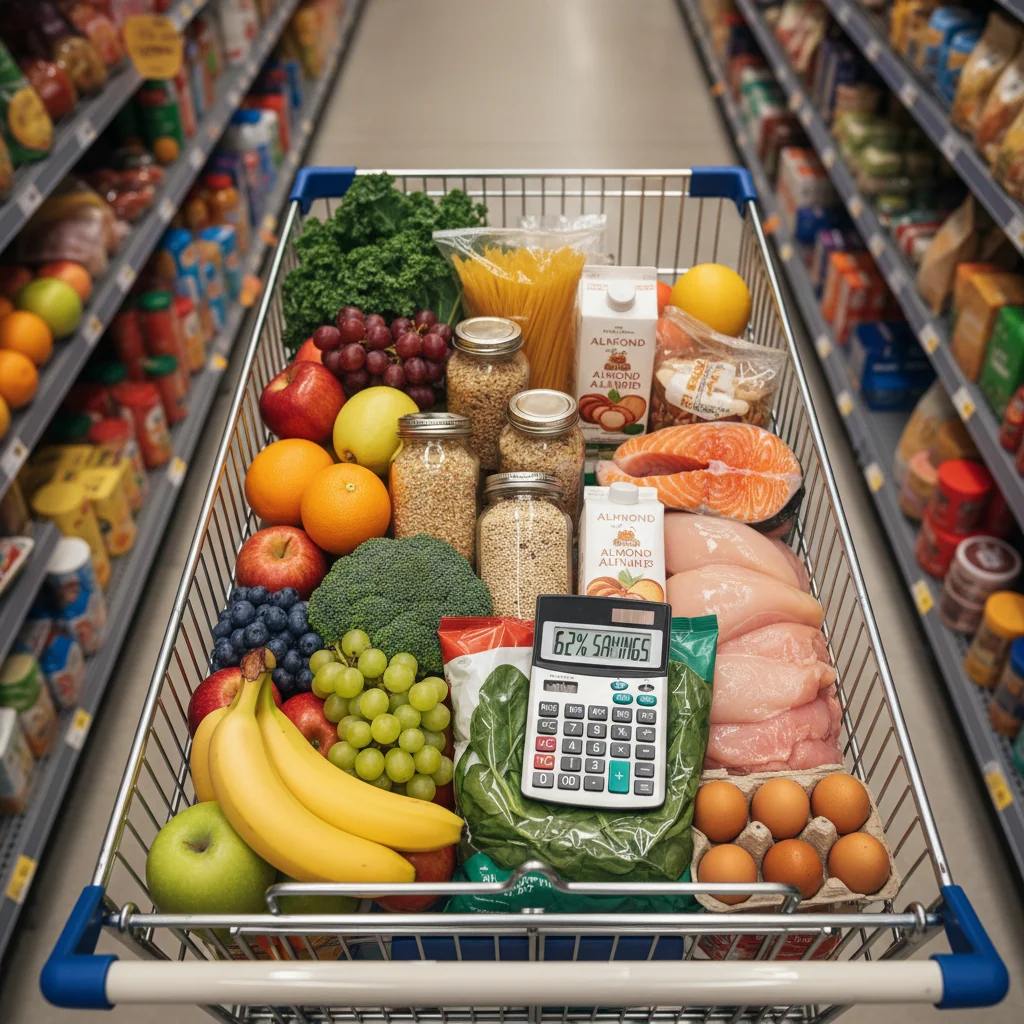
In an era where every penny counts, mastering the art of saving on groceries has become more crucial than ever. As we look towards 2026, economic shifts and rising costs continue to challenge household budgets. However, with the right strategies, it’s entirely possible to significantly reduce your grocery expenses, potentially by 20% or even more, without compromising on nutrition or quality. This comprehensive guide will equip you with actionable insights and proven techniques to transform your grocery shopping habits and empower you to save on groceries effectively.
Many people view grocery shopping as a necessary chore, a fixed expense that offers little room for negotiation. This couldn’t be further from the truth. Your grocery bill is, in fact, one of the most flexible components of your household budget, offering numerous opportunities for significant savings. By adopting a proactive and informed approach, you can turn grocery shopping into an enjoyable and financially rewarding activity. This article delves deep into various facets of smart grocery spending, from meticulous planning and strategic shopping to savvy storage and mindful consumption. Let’s embark on this journey to financial freedom, one grocery trip at a time.
Understanding Your Current Grocery Spending Habits
Before you can effectively save on groceries, you need to understand where your money is currently going. This initial assessment is a critical first step towards identifying wasteful habits and areas for improvement. Begin by tracking your grocery expenses for at least one month, or ideally, two to three months. This can be done using a simple spreadsheet, a budgeting app, or even by collecting all your receipts.
The Importance of Tracking
Tracking your spending provides a clear, undeniable picture of your current habits. You might be surprised to discover how much you spend on impulse buys, convenience foods, or dining out. Many people underestimate their true grocery expenditure, often lumping it with other household expenses. Detailed tracking allows you to categorize your spending, revealing patterns such as:
- Frequency of Shopping: Do you shop daily, weekly, or bi-weekly? More frequent trips often lead to more impulse purchases.
- Types of Purchases: Are you buying a lot of processed foods, expensive cuts of meat, or specialty items?
- Waste: How much food do you throw away each week? Food waste is essentially throwing money in the trash.
- Dining Out/Takeaway: How often do you supplement your home-cooked meals with restaurant food or takeaway, and how does this impact your grocery needs?
Once you have this data, analyze it. Look for recurring patterns and identify your biggest money drains. For example, if you notice a significant portion of your budget goes to pre-packaged snacks, that’s an immediate area where you can start to save on groceries by making your own or buying in bulk.
Setting a Realistic Grocery Budget for 2026
With a clear understanding of your current spending, the next crucial step is to set a realistic and achievable grocery budget. This isn’t about deprivation; it’s about making conscious choices and allocating your resources wisely. Your budget should reflect your household size, dietary needs, and financial goals.
Factors to Consider When Budgeting
- Household Size: Naturally, a larger family will have higher grocery expenses than a single individual.
- Dietary Preferences/Restrictions: Special diets (e.g., gluten-free, organic, vegetarian) can sometimes impact costs, though smart planning can mitigate this.
- Cooking Habits: Do you cook most meals at home, or do you rely on convenience foods? Cooking from scratch is almost always cheaper.
- Financial Goals: Are you trying to save for a down payment, pay off debt, or simply reduce overall expenses? Your grocery budget should align with these broader goals.
A good starting point for a grocery budget is often around 10-15% of your net income, but this can vary widely. Use your tracking data to inform your budget. If you currently spend $800 a month on groceries, aiming for a 20% reduction means targeting $640. Break this down weekly or bi-weekly to make it more manageable.
Remember, a budget is a living document. It should be reviewed and adjusted regularly as your circumstances change. The goal is to create a budget that helps you save on groceries without feeling overly restrictive or unsustainable.
Mastering the Art of Meal Planning
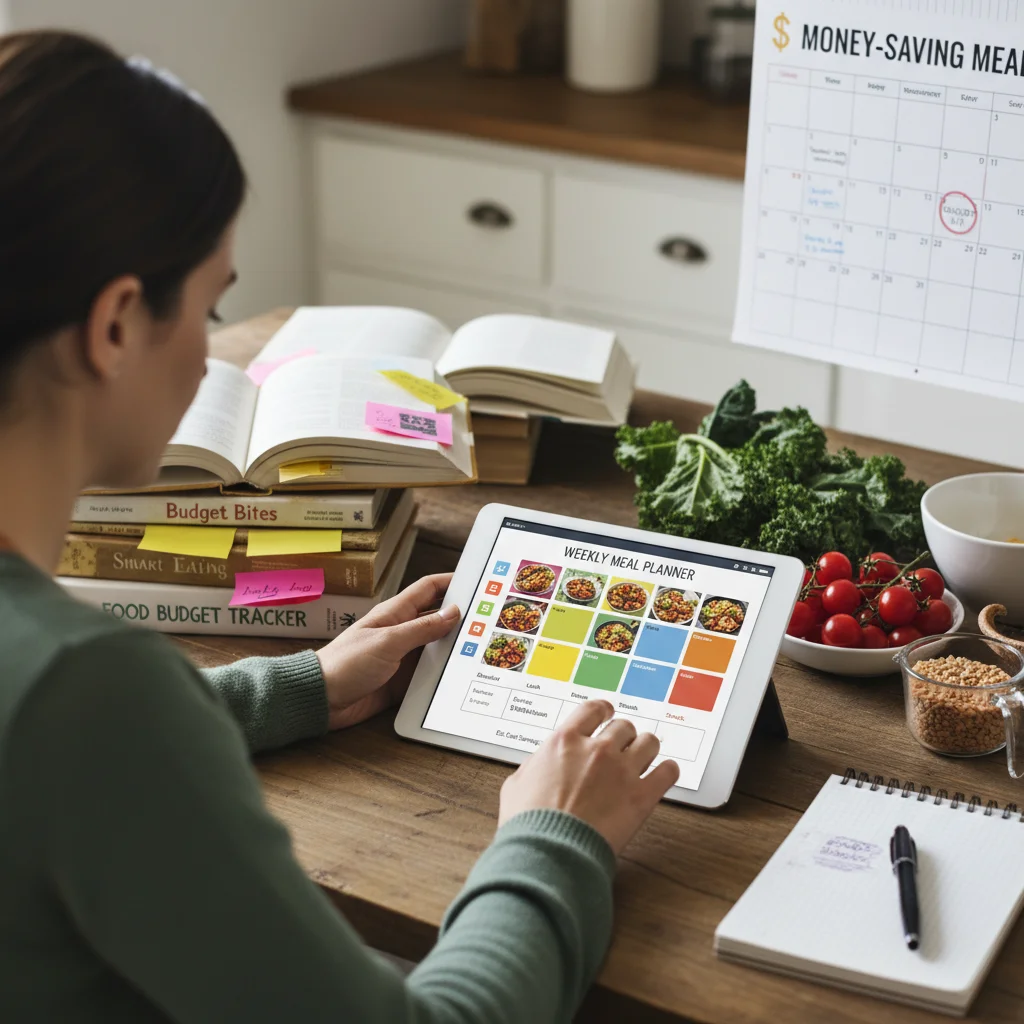
Meal planning is arguably the single most effective strategy to save on groceries. It transforms chaotic, impulse-driven shopping into a streamlined, purpose-driven activity. With a solid meal plan, you buy exactly what you need, reduce food waste, and avoid the temptation of expensive last-minute takeaways.
Steps to Effective Meal Planning
- Inventory Your Pantry and Fridge: Before planning, check what you already have. This prevents duplicate purchases and ensures you use up ingredients before they spoil.
- Check Weekly Sales Flyers: Base your meal plan around items that are on sale. If chicken breasts are heavily discounted, plan a few chicken dishes.
- Plan for Leftovers: Cook larger batches of meals that can be repurposed for lunch the next day or frozen for future dinners. This saves both time and money.
- Incorporate Plant-Based Meals: Meat and dairy can be expensive. Integrating a few vegetarian or vegan meals into your weekly plan can significantly reduce costs.
- Theme Nights: Having theme nights (e.g., ‘Taco Tuesday,’ ‘Pasta Wednesday,’ ‘Soup Saturday’) can simplify planning and make cooking more enjoyable.
- Write it Down: Whether on a whiteboard, in a notebook, or using an app, having your meal plan visible helps keep you accountable.
By consistently meal planning, you’ll find yourself making fewer unplanned trips to the store, buying only what’s necessary, and drastically cutting down on food waste, all contributing to your goal to save on groceries.
Smart Shopping Strategies: Your Blueprint to Savings
Once your meal plan is set, it’s time to hit the grocery store armed with a strategic mindset. Smart shopping isn’t just about buying what’s on your list; it’s about maximizing value, making informed choices, and resisting marketing ploys.
Before You Go: Preparation is Key
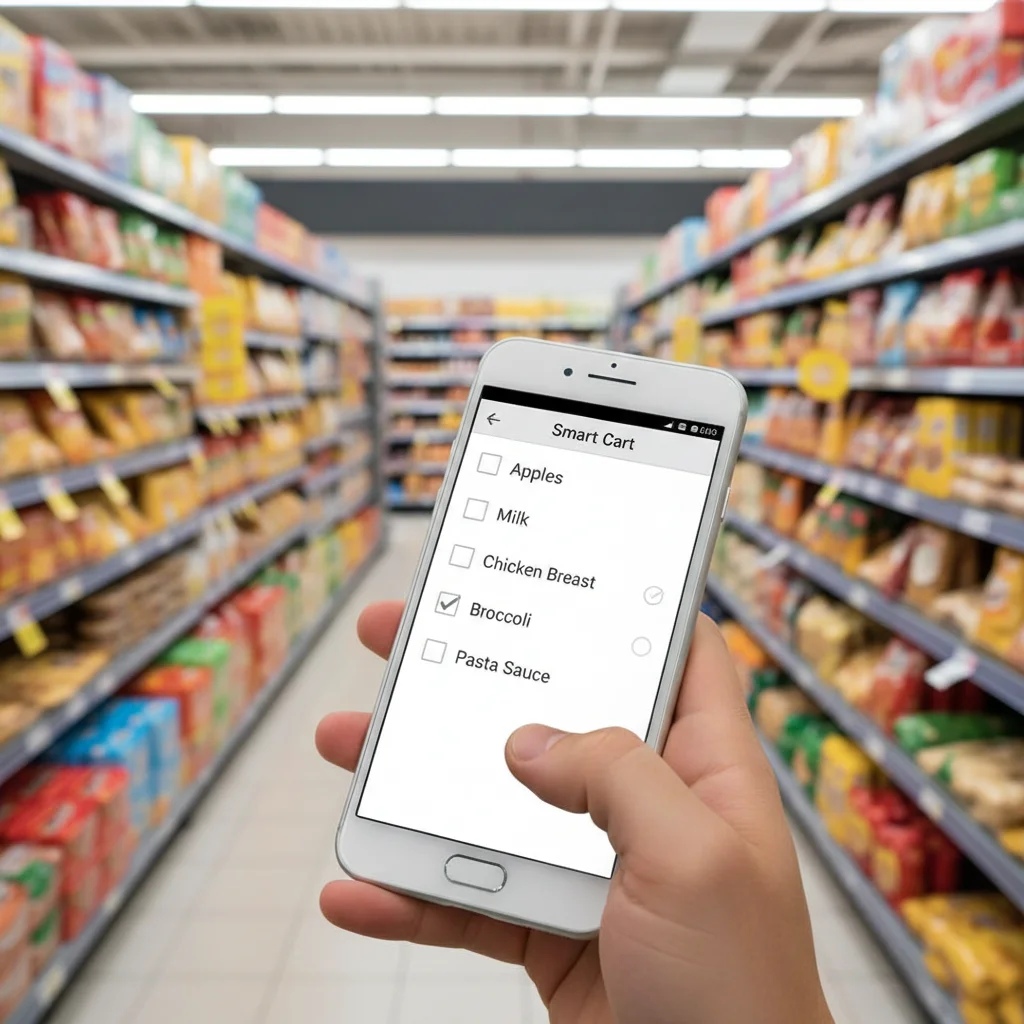
- Create a Detailed List: Your meal plan dictates your grocery list. Be specific – ‘apples’ instead of ‘fruit.’ Organize it by store aisle to save time.
- Eat Before You Shop: Never shop on an empty stomach. Hunger makes you more susceptible to impulse purchases and unhealthy choices.
- Check Unit Prices: Don’t just look at the overall price. Compare unit prices (price per ounce, per pound, etc.) to determine the true best value, especially for bulk items.
- Utilize Coupons and Loyalty Programs: Digital coupons and store loyalty cards can offer significant savings. Plan your purchases around these discounts.
At the Store: Navigating for Value
- Stick to Your List: This is paramount. Deviating from your list is the quickest way to overspend.
- Shop the Perimeter: The outer aisles of most grocery stores contain fresh produce, dairy, and meats – typically the healthier and often more cost-effective staples. The inner aisles are where processed, higher-margin items reside.
- Buy In-Season Produce: Seasonal fruits and vegetables are generally cheaper, fresher, and more flavorful.
- Consider Store Brands: Generic or store-brand products often offer comparable quality to name brands at a fraction of the price.
- Avoid Pre-Cut/Pre-Washed Items: While convenient, these come with a significant price markup. A few minutes of prep at home can save you dollars.
- Don’t Be Afraid of Frozen: Frozen fruits and vegetables are often picked at their peak ripeness and can be more economical and last longer than fresh, especially for out-of-season items.
By implementing these smart shopping tactics, you’ll actively work towards your goal to save on groceries with every trip.
Strategic Food Storage and Waste Reduction
Even the most meticulously planned and shopped groceries can lead to wasted money if not stored correctly. Food waste is a silent budget killer. By extending the life of your food, you maximize your investment and reduce the need for frequent, unplanned grocery runs.
Best Practices for Food Storage
- Proper Refrigeration: Understand where different foods should be stored in your fridge. For example, dairy and meat belong in colder sections, while produce often fares better in crisper drawers.
- Airtight Containers: Invest in good quality airtight containers to keep leftovers fresh and prevent spoilage.
- Freezing: Your freezer is your best friend for saving money. Freeze excess produce, cooked meals, bread, and even dairy products before they expire. Label everything with the date.
- First In, First Out (FIFO): When putting away groceries, move older items to the front so they are used first.
- Understand Expiration Dates: ‘Best by’ or ‘sell by’ dates are often suggestions for peak quality, not safety. Use your judgment (smell, appearance) before discarding food.
Minimizing Food Waste
- Repurpose Leftovers: Get creative! Leftover roasted chicken can become chicken salad. Stale bread can be made into croutons.
- Use Scraps: Vegetable scraps can be saved to make homemade broth. Citrus peels can be candied or used in cleaning solutions.
- Portion Control: Cook only what you need to avoid excess leftovers that might go uneaten.
- Composting: For unavoidable food waste, consider composting. While it doesn’t directly save money on groceries, it’s an environmentally responsible practice.
By becoming a master of food storage and waste reduction, you’ll ensure that every dollar you spend on groceries is utilized to its fullest potential.
Beyond the Supermarket: Alternative Shopping Options
While traditional supermarkets are convenient, exploring alternative shopping venues can unlock additional savings and introduce you to new, high-quality products. Diversifying your shopping locations is another excellent way to save on groceries.
Farmers’ Markets
Farmers’ markets often offer fresh, seasonal produce directly from local growers. While some items might be comparable in price to supermarkets, you can often find better deals, especially towards the end of the market day when vendors want to sell off remaining stock. Plus, you’re supporting local businesses.
Wholesale Clubs and Bulk Stores
For non-perishable items, pantry staples, and items you use frequently (e.g., toilet paper, cleaning supplies, rice, pasta), wholesale clubs like Costco or Sam’s Club can offer significant savings when buying in bulk. However, be mindful of membership fees and ensure you have adequate storage space. Only buy in bulk if you know you will use the product before it expires.
Discount Grocers
Stores like Aldi and Lidl have revolutionized grocery shopping with their no-frills approach, offering high-quality products at significantly lower prices. They often carry a limited selection of mostly private-label brands, which helps keep costs down. It’s worth exploring if one is in your area.
Ethnic Markets
Often overlooked, ethnic markets can be a treasure trove for specific ingredients at much lower prices than mainstream supermarkets. For example, spices, certain types of produce, and dried goods can be significantly cheaper and of higher quality.
Online Grocery Shopping and Delivery
While delivery fees can add up, online grocery shopping can be a powerful tool for impulse control. By shopping online, you’re less likely to be swayed by tempting displays or end-cap promotions. You can also easily compare prices and stick to your list. Look for stores that offer free pickup or subscribe to services that waive delivery fees if you shop frequently.
Cultivating Smart Habits for Long-Term Savings
Saving on groceries isn’t a one-time effort; it’s a lifestyle change that involves cultivating smart habits. Consistency and mindfulness are key to achieving and maintaining your 20% savings goal in 2026 and beyond.
Embrace Home Cooking
The single most impactful habit for saving money on food is to cook more meals at home. Restaurant meals and takeaway food are almost always more expensive, often by a significant margin. Learning basic cooking skills and experimenting with new recipes can be a fun and rewarding journey that directly impacts your wallet.
Grow Your Own (Even a Little)
Even a small herb garden on a windowsill or a few tomato plants in your backyard can reduce your reliance on store-bought produce. Herbs, especially, can be quite expensive at the grocery store, so growing your own offers immediate savings and fresh flavor.
Batch Cooking and Freezing
Dedicate a few hours one day a week to batch cooking. Prepare large quantities of staples like cooked grains, roasted vegetables, or a big pot of soup or chili. Portion them out and freeze them. This ensures you always have healthy, homemade meals readily available, reducing the temptation to order in.
Make Your Own Snacks
Pre-packaged snacks are notoriously overpriced. Instead, opt for whole fruits, vegetables with hummus, homemade trail mix, or baked goods. This not only saves money but is often healthier too.
Be Flexible and Adaptable
Sometimes, the best-laid plans go awry. Be prepared to adapt your meal plan if you find an unexpected sale or if an ingredient is unavailable. Flexibility allows you to seize opportunities for savings as they arise.
Leveraging Technology to Save on Groceries
In 2026, technology offers a plethora of tools to help you save on groceries. From price comparison apps to digital coupon platforms, integrating these resources into your routine can streamline your savings efforts.
Grocery List Apps
Apps like AnyList, OurGroceries, or even simple notes apps can help you organize your list, share it with family members, and often categorize items by store aisle. Some even integrate with meal planning features.
Coupon and Cashback Apps
Platforms like Ibotta, Fetch Rewards, and manufacturer-specific apps offer digital coupons and cashback rewards on eligible purchases. A few minutes scanning through these before or after your shopping trip can yield surprising savings.
Price Comparison Tools
Several websites and apps allow you to compare prices across different grocery stores in your area. This is particularly useful for big-ticket items or when stocking up on staples.
Recipe Generators with Ingredient Filters
Stuck with a few random ingredients and don’t know what to make? Apps and websites that generate recipes based on ingredients you already have can help prevent food waste and inspire creative meals, ensuring you use what you bought to save on groceries.
The Psychological Aspect of Saving: Mindset Matters
Saving money, especially on something as essential as food, isn’t just about strategies; it’s also about your mindset. Developing a frugal yet abundant mindset is key to long-term success.
Shift Your Perspective
Instead of viewing grocery saving as a sacrifice, see it as a challenge, a game, or an act of self-care. Focus on the benefits: more money for other goals, healthier eating, and less food waste.
Celebrate Small Wins
Did you stick to your budget this week? Did you successfully use up all your leftovers? Acknowledge and celebrate these small victories. Positive reinforcement encourages continued effort.
Educate Yourself
Learn about nutrition, cooking techniques, and food preservation. The more knowledgeable you become, the more empowered you’ll feel to make smart choices that save on groceries.
Involve the Family
If you live with others, involve them in the process. Meal planning can be a family activity, and everyone can contribute ideas for meals or help with shopping and food prep. When everyone is on board, it’s easier to maintain the new habits.
Conclusion: Your Path to 20% Grocery Savings in 2026
Achieving a 20% reduction in your grocery bill in 2026 is not just a dream; it’s an attainable goal with the right approach. By consistently applying the strategies outlined in this guide – from understanding your spending and setting a budget to mastering meal planning, employing smart shopping tactics, reducing food waste, exploring alternative shopping options, leveraging technology, and cultivating a positive mindset – you can significantly impact your financial health.
Remember, every small change adds up. Start with one or two new habits, integrate them into your routine, and then gradually add more. The journey to save on groceries is continuous, but the rewards – financial freedom, healthier eating, and a more sustainable lifestyle – are well worth the effort. Embrace these smart spending strategies, and watch your grocery savings grow, paving the way for a more secure and prosperous 2026.
Related Posts: