Declutter and Earn: Unlock an Extra $250 by Selling Unused Items
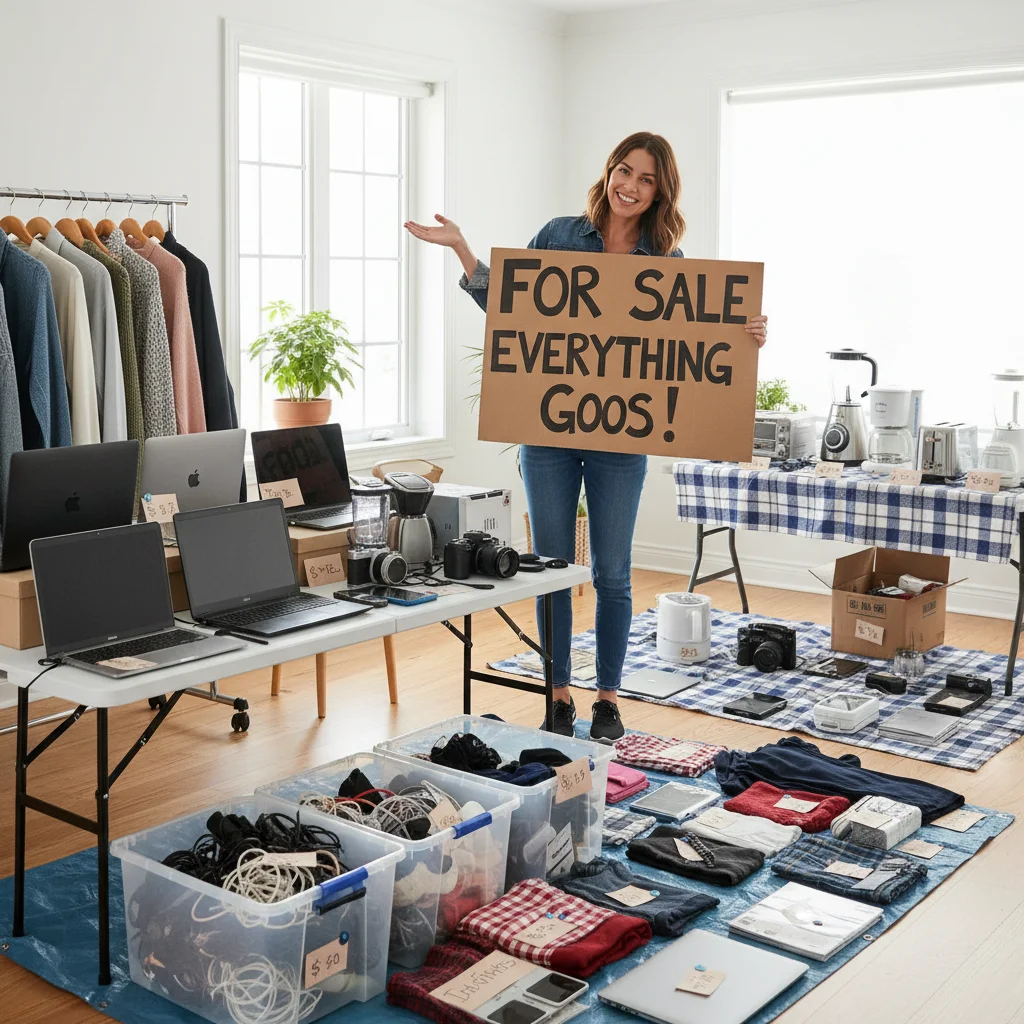
In an increasingly consumption-driven world, it’s easy for our homes to become repositories for items we no longer use, need, or even remember owning. From forgotten gadgets gathering dust in the back of a drawer to clothes that no longer fit or suit our style, these unused items represent not just clutter, but also untapped financial potential. Imagine transforming that dormant clutter into tangible cash, boosting your household income, and simultaneously creating a more spacious and organized living environment. This isn’t just a pipe dream; it’s a realistic goal that many US households are already achieving.
Recent studies and anecdotal evidence suggest a significant opportunity for individuals to significantly supplement their income by simply selling what they no longer use. In fact, projections indicate that by Fall 2026, the average US household could realistically net an additional $250 or more by engaging in this simple yet effective practice. This isn’t about becoming a professional reseller; it’s about making smart, conscious decisions about the items we own and understanding the value they still hold for others. The rise of online marketplaces, coupled with a growing consumer interest in sustainability and second-hand goods, has made selling unused items easier and more lucrative than ever before.
This comprehensive guide will walk you through the entire process, from identifying what to sell to effectively pricing and listing your items, and ultimately, securing those sales. We’ll delve into the psychology behind decluttering, explore the most popular and profitable categories of items, and provide actionable strategies to maximize your earnings. Whether you’re looking to save for a specific goal, pay off some debt, or simply enjoy a little extra disposable income, learning to effectively sell unused items is a skill that offers both immediate financial rewards and long-term benefits for your home and peace of mind. Get ready to transform your clutter into cash and discover the freedom that comes with a streamlined, financially empowered lifestyle.
The Hidden Goldmine in Your Home: Why Selling Unused Items Matters
Before diving into the ‘how-to,’ it’s crucial to understand the ‘why.’ Why should you bother to sell unused items? The reasons extend far beyond just the financial gain, though that is undoubtedly a powerful motivator. Embracing the practice of selling off your surplus can lead to a multitude of benefits, touching on financial well-being, mental clarity, and even environmental responsibility.
Financial Empowerment: Unlocking Dormant Capital
The most immediate and obvious benefit of selling unused items is the financial return. Every item sitting in your closet, garage, or attic that you no longer use represents money that is tied up and inaccessible. By selling these items, you are effectively liquidating dormant capital and transforming it into spendable cash. That $250 projection by Fall 2026 isn’t just a number; it’s a conservative estimate based on the sheer volume and value of items typically found in the average American home. Think about it: a few outgrown children’s toys, a designer handbag you rarely carry, an old smartphone, or even a collection of books you’ve already read can quickly add up to significant funds. This extra cash can be used for anything from covering unexpected expenses, saving for a vacation, investing, or simply enjoying a guilt-free splurge.
Decluttering for a Clearer Mind and Home
Beyond the financial aspect, decluttering has profound psychological benefits. A cluttered home often leads to a cluttered mind. The constant visual noise and the feeling of being overwhelmed by possessions can contribute to stress, anxiety, and decreased productivity. By actively identifying and removing items you no longer need, you create physical space, which often translates to mental clarity. An organized home is easier to clean, more pleasant to live in, and can foster a sense of calm and control. When you sell unused items, you’re not just making money; you’re investing in your mental well-being and creating a more harmonious living environment.
Embracing Sustainability and Circular Economy
In an era of increasing environmental awareness, selling unused items also aligns perfectly with sustainable living principles. Every item you sell and someone else buys is one less new item that needs to be manufactured, reducing demand for new resources, energy, and minimizing waste. This participation in the circular economy helps extend the life cycle of products, reduces your carbon footprint, and contributes to a more sustainable planet. It’s a win-win-win: you earn money, someone else gets a good deal, and the environment benefits.
The Joy of Minimalism (Without Going Extreme)
You don’t need to adopt an extreme minimalist lifestyle to reap the rewards of decluttering and selling. Even a moderate approach to reducing your possessions can bring immense satisfaction. The process of going through your belongings, evaluating their utility and sentimental value, and deciding what to let go of can be incredibly liberating. It encourages mindfulness about your purchases and helps you appreciate the items you choose to keep even more. Selling unused items is a practical step towards a more intentional and less consumer-driven way of life.
Identifying Your Sellable Treasures: What to Look For
The first step in your journey to sell unused items is to conduct a thorough inventory of your home. This can seem daunting, but breaking it down into manageable sections makes the process much easier. Think of it as a treasure hunt where you’re looking for items that still hold value for someone else.
Common Categories with High Resale Value
- Clothing and Accessories: This is often the easiest place to start. Designer brands, vintage pieces, unworn items with tags, and seasonal clothing (e.g., winter coats in fall) tend to sell well. Focus on good condition, trendy styles, or classic staples.
- Electronics: Old smartphones, tablets, laptops, gaming consoles, cameras, and even specific components can fetch a good price. Even non-working electronics can sometimes be sold for parts or recycling, though their value will be significantly lower.
- Home Goods and Decor: Unique decor items, small appliances (coffee makers, blenders, air fryers), furniture (especially mid-century modern or solid wood pieces), lamps, and even kitchenware can be popular.
- Books, Movies, and Music: While the market has shifted, certain genres of books (first editions, collectibles, academic texts), rare DVDs/Blu-rays, or vinyl records can still find eager buyers.
- Children’s Items: Outgrown clothing, toys (especially brand-name or educational ones), baby gear (strollers, high chairs – ensure they meet safety standards), and sporting equipment are always in demand.
- Collectibles: Stamps, coins, comic books, vintage toys, sports memorabilia, and action figures can be highly valuable to the right collector. Research is key here.
- Tools and Outdoor Gear: Power tools, gardening equipment, camping gear, bicycles, and even specific car parts can be hot commodities.
The "Rule of One Year" and Sentimental Value
A helpful guideline for decluttering is the "Rule of One Year." If you haven’t used an item in the past year, it’s a strong candidate for selling. Of course, there are exceptions (seasonal items, formal wear), but it’s a good starting point. For items with sentimental value, consider whether the item truly brings you joy or if the memory associated with it can be preserved without keeping the physical object. Sometimes, a photograph of a sentimental item is enough to hold onto the memory without contributing to clutter.
Condition is King
When you sell unused items, their condition directly impacts their value and salability. Be honest with yourself about an item’s condition. Is it new with tags (NWT)? Like new (LN)? Gently used (GU)? Or does it have flaws (stains, rips, scratches)? Items in excellent condition will always command higher prices and sell faster. Items with minor flaws can still be sold, but they must be accurately described, and priced accordingly.
Pricing Your Items for Quick Sale and Maximum Profit
Effective pricing is a delicate balance between attracting buyers and maximizing your profit. Price too high, and your items will sit unsold; price too low, and you leave money on the table. Here’s how to get it right when you sell unused items.
Research, Research, Research
This is arguably the most critical step in pricing. Before you set a price, see what similar items have sold for. Use the "sold listings" filter on platforms like eBay, Poshmark, or Mercari. Check local Facebook Marketplace groups or Craigslist for comparable items. This gives you a realistic idea of market value. Consider:
- Brand and Model: Well-known brands usually fetch higher prices.
- Condition: As mentioned, this is a huge factor.
- Rarity: Unique or hard-to-find items can command a premium.
- Original Purchase Price: While not directly dictating resale value, it provides context.
Consider the 60-70% Rule (and Adjust)
A general guideline for gently used items in excellent condition is to price them at 60-70% of their original retail price. For items that are "like new" or "new with tags," you might go higher, even up to 80-90%. For items with noticeable wear, you might drop to 30-50% or even less, depending on the item and its demand. This is just a starting point; your research should refine this.
Factor in Fees and Shipping
Don’t forget that many online platforms charge fees (listing fees, final value fees, payment processing fees). If you’re shipping, consider who will pay for it (buyer or seller) and factor that into your pricing strategy. Sometimes, offering "free shipping" by building the cost into the item price can make your listing more attractive, even if the overall cost to the buyer is the same.
Be Open to Negotiation (But Have a Bottom Line)
Especially on platforms like Facebook Marketplace or Craigslist, buyers often expect to negotiate. Price your item slightly higher than your absolute minimum acceptable price to allow for some wiggle room. Decide on your "bottom line" before you list, so you’re not caught off guard by offers.
Choosing Your Selling Platform: Where to Sell Unused Items
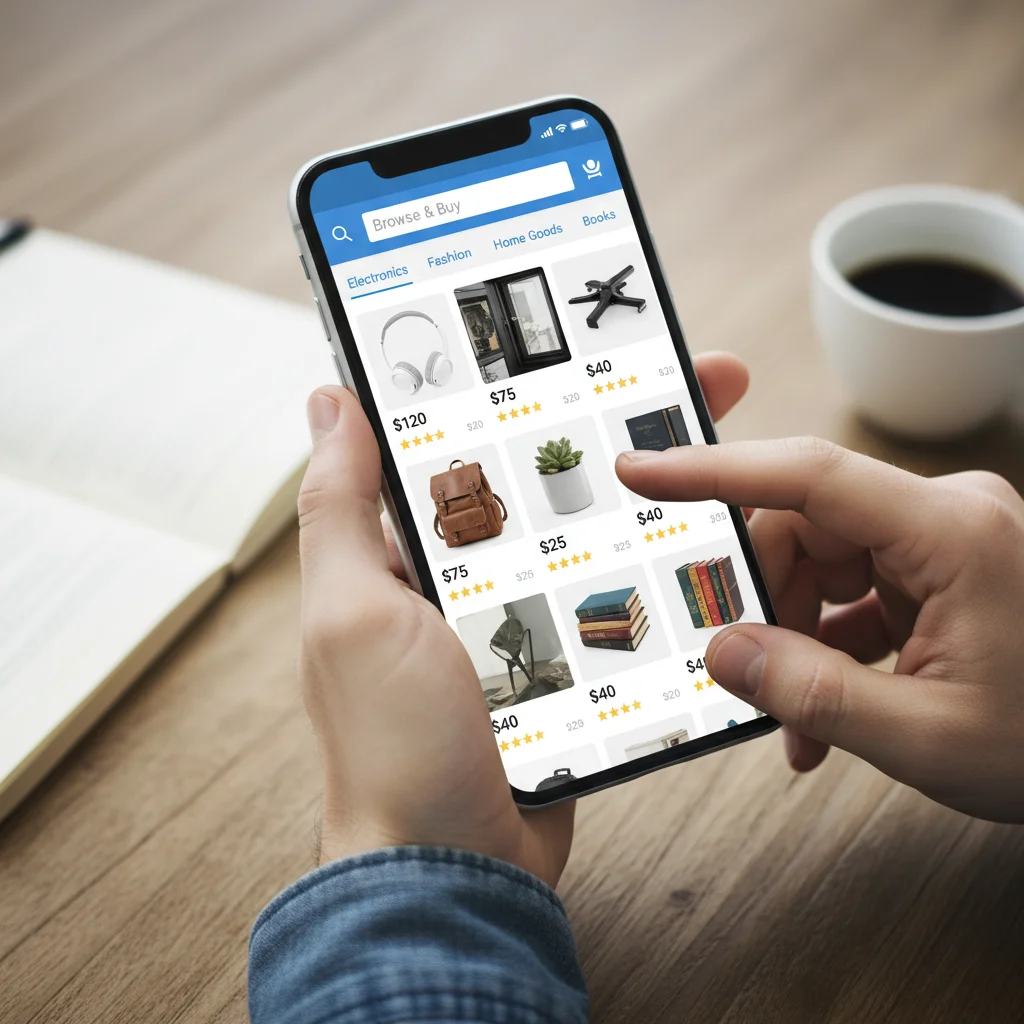
The digital age has blessed us with an abundance of platforms to sell unused items. The best choice depends on what you’re selling, your comfort level with technology, and your desired reach.
Online Marketplaces: The Digital Bazaar
- eBay: The behemoth of online auctions and fixed-price sales. Excellent for a wide variety of items, from collectibles to electronics to clothing. Its global reach means more potential buyers. Be aware of fees and shipping logistics.
- Facebook Marketplace: Ideal for local sales, especially larger items like furniture or appliances where shipping is impractical. It’s free to list and easy to use, leveraging your existing social network.
- Craigslist: A classic for local, cash-in-hand transactions. Good for bulky items or quick sales without fees. Always prioritize safety when meeting strangers.
- Poshmark/Mercari/Depop: Specialized platforms for clothing, accessories, and beauty products. Poshmark is great for higher-end fashion, Mercari for a broader range, and Depop for vintage and streetwear. They handle shipping labels, simplifying the process.
- Amazon (Seller Central): More complex, typically for new items or high-volume sellers, but can be used for specific used items (books, electronics) if you’re willing to navigate their system.
- Specialty Sites: For very specific items, consider niche platforms. For example, Reverb for musical instruments, Swappa for electronics, or specific collector forums.
Local Selling Options: The Community Connection
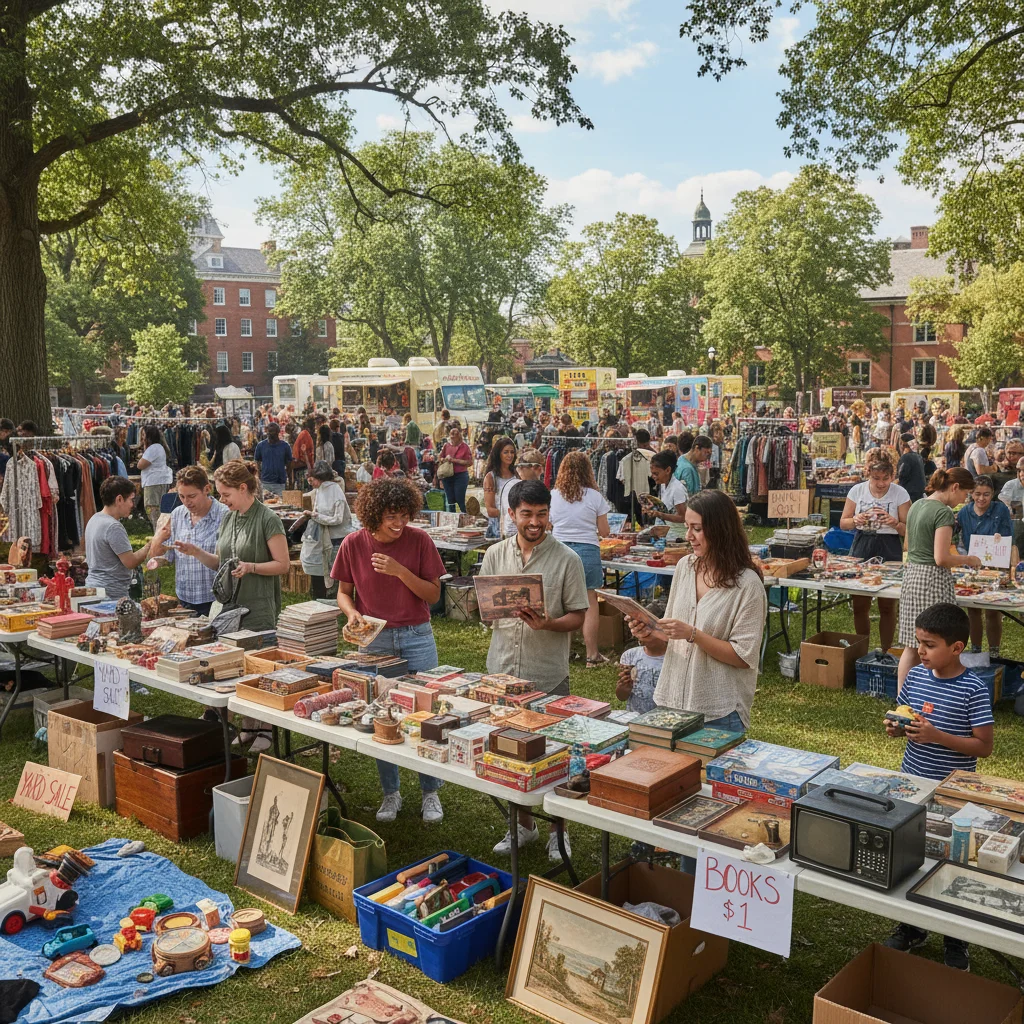
- Yard Sales/Garage Sales: A classic for a reason. Great for offloading a large volume of miscellaneous items quickly and with minimal effort per item. Best done with good weather and clear signage.
- Consignment Shops: If you have higher-end clothing, accessories, or furniture, consignment shops can take care of the selling for you, taking a percentage of the final sale price.
- Pawn Shops: A quick way to get cash for valuable items, but often at a lower price than you’d get selling directly. Use as a last resort or for urgent cash needs.
- Local Buy/Sell/Trade Groups: Many communities have active Facebook groups dedicated to buying, selling, or trading items locally.
Crafting Compelling Listings: Photos, Descriptions, and Keywords
Once you’ve identified what to sell and where, the next step is to create listings that grab attention and convert browsers into buyers. This is where your marketing skills come into play.
High-Quality Photos are Non-Negotiable
This cannot be stressed enough: good photos are the single most important factor in selling online. Buyers rely heavily on visuals to make purchasing decisions. When you sell unused items, follow these tips:
- Good Lighting: Natural light is best. Take photos near a window during the day. Avoid harsh shadows.
- Clear Background: Use a plain, uncluttered background so the item stands out.
- Multiple Angles: Show the item from all sides, including the front, back, top, and bottom.
- Detail Shots: Photograph any unique features, brand labels, and importantly, any flaws (stains, scratches, wear). Being transparent builds trust.
- Contextual Photos: For clothing, consider a "try-on" photo if comfortable. For home decor, show it in a styled setting.
- Cleanliness: Ensure the item is spotless before photographing.
Detailed and Honest Descriptions
Your description should answer every question a potential buyer might have, even before they ask it. When you sell unused items, include:
- Title: Use clear, concise, and keyword-rich titles. Include brand, item type, size, color, and key features.
- Condition: Be brutally honest about the item’s condition. Use standard terms (NWT, LN, GU, etc.) and describe any imperfections.
- Key Features: Highlight what makes the item desirable. Is it rare? A specific model? What are its functions?
- Dimensions/Size: Crucial for clothing, furniture, and electronics. Provide measurements.
- Original Purchase Information: If known, mention the original price or where it was purchased.
- Reason for Selling: Briefly explain why you’re selling (e.g., "no longer fits," "upgraded," "moving").
Strategic Use of Keywords and Tags
Think like a buyer. What terms would someone use to search for your item? Incorporate these keywords naturally into your title and description. Many platforms also allow for specific tags. Use them to increase visibility. For example, if selling a "vintage Levi’s denim jacket," use tags like "Levi’s," "denim jacket," "vintage," "trucker jacket," "retro," "outerwear."
The Art of the Sale: Communication, Safety, and Shipping
Once your listings are live, you’ll start receiving inquiries and offers. How you manage this stage can make or break your sales when you sell unused items.
Prompt and Polite Communication
Respond to inquiries quickly and courteously. Be prepared to answer questions about the item’s condition, dimensions, or history. Good communication builds trust and encourages a sale.
Safety First for Local Transactions
If you’re selling locally via Facebook Marketplace or Craigslist, always prioritize your safety:
- Meet in Public: Choose a well-lit, public place like a coffee shop, police station parking lot, or busy retail area.
- Bring a Friend: If possible, don’t go alone.
- Inform Someone: Let a friend or family member know where and when you’re meeting, and with whom.
- Cash Only: For local sales, insist on cash to avoid scams.
- Trust Your Gut: If something feels off, it probably is. It’s okay to decline a sale if you feel unsafe.
Efficient Shipping Strategies
For online sales requiring shipping, efficiency and cost-effectiveness are key:
- Packaging: Use appropriate packaging (boxes, bubble wrap, poly mailers) to protect your item during transit.
- Shipping Carrier: Compare rates from USPS, FedEx, and UPS. For lighter items, USPS First Class Mail is often cheapest. For heavier items, ground services are best.
- Tracking and Insurance: Always use tracking. For valuable items, consider purchasing insurance.
- Label Printing: Many platforms allow you to print shipping labels directly, often at a discounted rate.
- Prompt Shipping: Ship items as soon as possible after payment is received.
Maximizing Your Earnings: Tips and Tricks to Sell Unused Items
To truly hit that $250 (or more!) target by Fall 2026, incorporate these advanced strategies into your selling routine.
Batch Selling and Bundles
Sometimes, individual small items aren’t worth the effort to list separately. Consider bundling similar items together. For example, a "baby clothes bundle (0-3 months)," a "set of vintage novels," or a "kitchen gadget lot." This can make the listing more attractive and save you time.
Seasonal Selling
Timing your sales can significantly impact demand and price. Sell winter coats in late summer/early fall, patio furniture in spring, and holiday decor before the festive season. Think ahead to what people will be looking for.
Repurpose Before You Sell (or Donate)
Before you decide to sell unused items, consider if they can be repurposed or upcycled. A tired dresser might become a chic bathroom vanity with a coat of paint. This isn’t always about selling; sometimes it’s about adding value to your home in a different way or even finding a new use for something you already own.
Leverage Social Media
Beyond Facebook Marketplace, share your listings on your personal social media accounts. You might have friends or family who are interested, or they might share your post with their networks, expanding your reach.
Track Your Progress
Keep a simple spreadsheet or note of what you’ve listed, what you’ve sold, and for how much. This not only helps you track your earnings towards that $250 goal but also gives you insights into what types of items sell best for you and on which platforms.
Don’t Forget Donations and Recycling
Not everything will sell, and that’s perfectly okay. For items that don’t sell after a reasonable period, consider donating them to local charities. Many organizations offer tax receipts, providing another form of "return." For items that are broken or beyond repair, ensure they are recycled responsibly. The goal is to remove clutter, not just shift it around.
The Long-Term Benefits of a Decluttered, Cash-Rich Life
The journey to sell unused items and accumulate an extra $250 by Fall 2026 is more than just a short-term financial endeavor. It’s a stepping stone towards a more intentional and financially savvy lifestyle. By regularly decluttering and monetizing your unused possessions, you cultivate habits that promote financial health and personal well-being.
Imagine the freedom that comes with knowing you have a continuous stream of potential income hidden in your home. This practice encourages you to be more mindful of your purchases, asking yourself if an item truly adds value to your life before bringing it into your home. It fosters a sense of resourcefulness, turning what might otherwise be considered waste into valuable assets.
Furthermore, the psychological benefits of living in a less cluttered, more organized space are immeasurable. Reduced stress, improved focus, and a greater sense of control over your environment are all direct results of a disciplined approach to your possessions. This isn’t just about making money; it’s about making space – both physical and mental – for what truly matters in your life.
So, take the first step today. Look around your home with fresh eyes. What treasures are lurking in plain sight, waiting to be transformed into cash? With a little effort, smart strategy, and the guidance provided in this article, you can easily join the ranks of US households earning an extra $250 (or more!) by Fall 2026, all while enjoying the profound benefits of a decluttered and financially empowered life. Happy selling!
Related Posts: