Sustainable Frugality: 7 Eco-Friendly Habits That Save You $1000 Annually Starting Now
Embrace sustainable frugal living with 7 actionable eco-friendly habits. This guide helps you save over $1000 annually while reducing your environmental impact, offering practical tips for a greener lifestyle and healthier finances.
By: Matheus Neiva on October 21, 2026
Sustainable Frugality: 7 Eco-Friendly Habits That Save You $1000 Annually Starting Now
In an era where both our wallets and our planet are under increasing pressure, the concept of sustainable frugal living emerges not just as a trend, but as a crucial lifestyle choice. It’s about more than just cutting costs; it’s about making conscious decisions that benefit both your personal finances and the environment. This isn’t about deprivation; it’s about smart, intentional living that reduces waste, conserves resources, and ultimately puts more money back into your pocket. Imagine saving over $1000 annually, not through drastic measures, but by simply adopting a few eco-friendly habits. Sounds appealing, right? Let’s dive into how you can achieve significant savings while making a positive impact on the world around you.
The beauty of sustainable frugal living lies in its dual impact. Every choice you make to reduce your environmental footprint often results in financial savings. From minimizing energy consumption to embracing DIY solutions, these habits weave together a tapestry of responsible living. This article will guide you through seven powerful, yet simple, eco-friendly habits that promise not only to trim your expenses by a substantial margin – potentially over $1000 each year – but also to foster a deeper connection with a more sustainable way of life. Prepare to transform your spending habits, reduce your ecological footprint, and embark on a journey towards greater financial freedom and environmental stewardship.
Understanding Sustainable Frugal Living: More Than Just Saving Pennies
Before we delve into the specific habits, let’s clarify what sustainable frugal living truly entails. It’s often misunderstood as simply being cheap or denying oneself. In reality, it’s a thoughtful approach to resource management. It’s about valuing quality over quantity, durability over disposability, and experiences over material possessions. This philosophy encourages us to consider the entire lifecycle of a product or service – from its production and consumption to its disposal – and to make choices that minimize harm at each stage.
The ‘sustainable’ aspect emphasizes environmental responsibility. This means reducing waste, conserving energy, supporting ethical businesses, and opting for renewable resources whenever possible. The ‘frugal’ aspect focuses on financial prudence, making smart spending decisions, avoiding unnecessary expenses, and maximizing the value of what you already own. When combined, these two principles create a powerful synergy that not only saves you money but also contributes to a healthier planet. It’s about living richly with less, finding abundance in simplicity, and making choices that align with your values.
Many people find that once they embrace sustainable frugal living, their quality of life actually improves. They experience less stress associated with consumerism, enjoy greater financial security, and feel a sense of purpose from contributing to a better world. It’s a journey of continuous learning and adaptation, but one that offers immense rewards. The habits we’re about to explore are stepping stones on this rewarding path, designed to be practical, achievable, and impactful.
Habit 1: Master Your Home’s Energy Consumption for Significant Savings
One of the largest drains on both your wallet and the environment is inefficient energy use at home. By making a few conscious changes, you can significantly reduce your utility bills and carbon footprint. Think of your home as a system; optimizing it can yield substantial returns. This is a cornerstone of sustainable frugal living.
LED Lighting: A Bright Idea for Your Budget
If you haven’t already, switch all your incandescent bulbs to LEDs. While the initial cost might be slightly higher, LEDs consume up to 85% less energy and last 10-25 times longer. Over their lifespan, the savings are phenomenal. For instance, replacing 15 incandescent bulbs with LEDs could save you over $100 annually in electricity costs alone, not to mention the cost of frequent bulb replacements.
Smart Thermostats: Intelligent Temperature Control
Installing a smart thermostat allows you to program your heating and cooling based on your schedule, ensuring you’re not paying to heat or cool an empty house. Many models also learn your preferences and optimize energy use automatically. Adjusting your thermostat by just a few degrees can lead to 10-15% savings on your energy bill. Combine this with proper insulation and sealing drafts, and your savings could easily reach hundreds of dollars a year.
Unplugging Phantom Loads: The Silent Energy Drain
Many electronics continue to draw power even when turned off or in standby mode – these are known as ‘phantom loads’ or ‘vampire power.’ Devices like phone chargers, TVs, computers, and even coffee makers can silently add to your electricity bill. Use power strips with on/off switches for entertainment centers and computer setups, making it easy to cut power to multiple devices at once. This simple habit can save you $50-$100 annually.
Efficient Appliance Use: Maximizing Performance
Run your washing machine and dishwasher only when they are full. Use cold water for laundry whenever possible, as heating water accounts for a significant portion of energy use. Air-dry clothes on a line or drying rack instead of using a dryer. These small adjustments add up, contributing to your sustainable frugal living goals.
Habit 2: Embrace the Power of DIY and Reduce Consumption
The ‘Do It Yourself’ (DIY) movement is inherently linked with sustainable frugal living. It reduces reliance on new purchases, minimizes packaging waste, and often results in higher-quality, more personalized items. From home repairs to personal care products, DIY offers a wealth of opportunities to save money and live more sustainably.
Homemade Cleaning Products: Safe, Cheap, and Effective
Many commercial cleaning products are expensive and contain harsh chemicals. You can create effective, non-toxic cleaners using simple ingredients like vinegar, baking soda, lemon juice, and essential oils. A multi-purpose cleaner can be made with water, white vinegar, and a few drops of essential oil. This not only saves you money on cleaning supplies (easily $50-$100+ annually) but also reduces your exposure to harmful chemicals and cuts down on plastic waste.
Basic Home Repairs: Learn to Fix, Not Replace
Before you call a professional or rush to buy a replacement, consider if you can fix it yourself. A leaky faucet, a loose cabinet hinge, or a torn piece of clothing often requires only basic tools and a quick online tutorial. Learning fundamental repair skills can save you hundreds, if not thousands, of dollars over time. This extends the life of your possessions, a key principle of sustainable frugal living.
Gardening and Composting: Grow Your Own, Recycle Your Waste
Starting a small vegetable garden, even just a few herbs on a windowsill, can reduce your grocery bill and provide fresh, organic produce. Composting kitchen scraps and yard waste diverts organic material from landfills, creating nutrient-rich soil for your garden. This closed-loop system embodies the essence of sustainability and frugality, saving you money on groceries and fertilizers.
Habit 3: Conscious Consumption – Shop Smarter, Not More
Our consumption habits have a profound impact on both our finances and the planet. Adopting a conscious approach to shopping is a cornerstone of sustainable frugal living. It means making intentional choices about what you buy, where you buy it, and how often.
Meal Planning and Bulk Buying: Strategic Grocery Shopping
Planning your meals for the week prevents impulse purchases and food waste. When you know exactly what you need, you’re less likely to buy unnecessary items. Buying non-perishable staples in bulk (e.g., rice, beans, pasta, pasta, oats) can significantly reduce your per-unit cost. Just be sure you have adequate storage and will use everything before it spoils. This strategy alone can save a family hundreds of dollars a year on groceries.
Reusable Items: Ditch Disposables
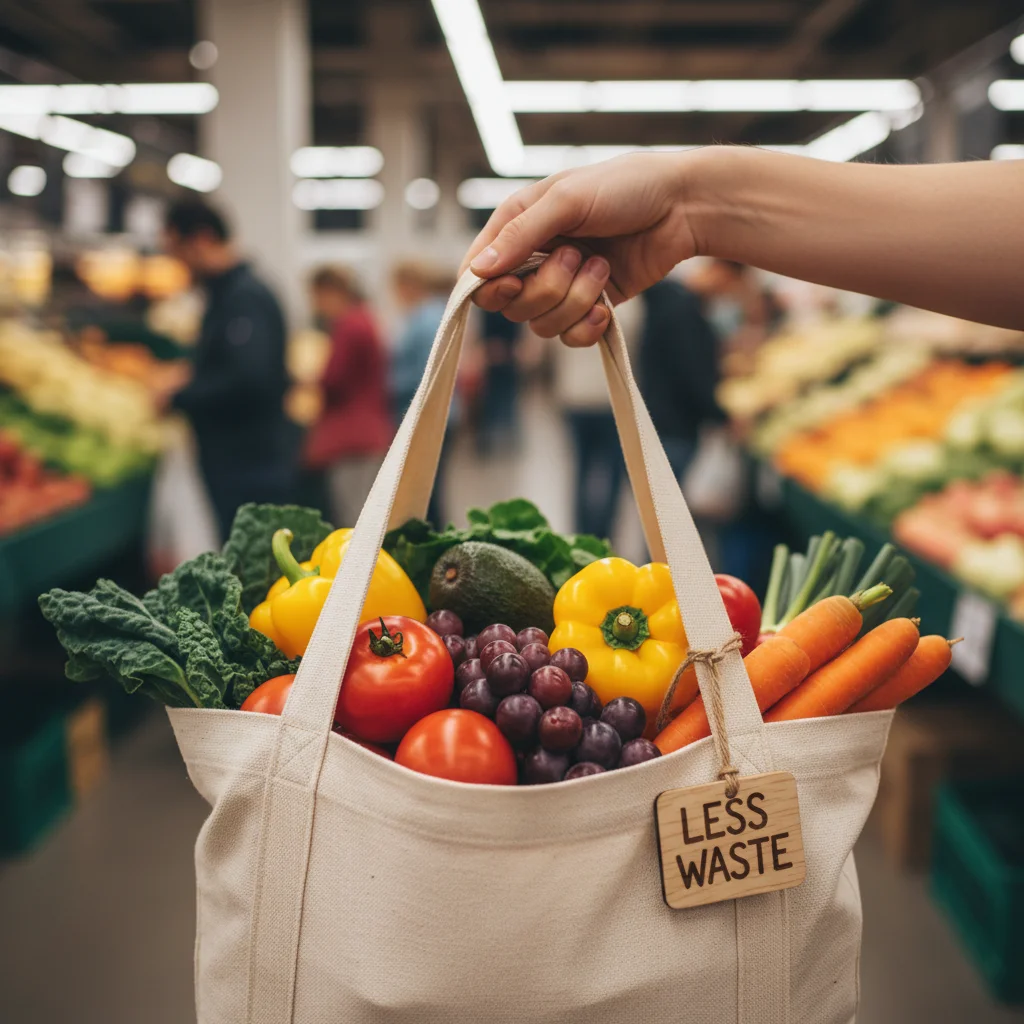
Invest in high-quality reusable items like water bottles, coffee cups, grocery bags, and food containers. The upfront cost is minimal compared to the endless expense and environmental toll of single-use disposables. A daily coffee habit with a reusable cup can save you small discounts at many cafes, and avoiding bottled water can save a considerable amount over time. This is a simple yet powerful aspect of sustainable frugal living.
Second-Hand Shopping: Treasure Hunting for Value
Before buying new, check thrift stores, consignment shops, online marketplaces (like Facebook Marketplace or Craigslist), and garage sales. You can find high-quality clothing, furniture, books, and household items for a fraction of the price of new. This not only saves you money but also gives items a second life, reducing demand for new production and minimizing waste. It’s an excellent way to practice sustainable frugal living.
Habit 4: Rethink Transportation – Green Commutes and Savings
Transportation costs, particularly for car owners, can be a major expense. Fuel, maintenance, insurance, and depreciation add up quickly. Embracing greener transportation methods is a fantastic way to practice sustainable frugal living and improve your health.
Walk, Bike, or Public Transport: The Healthier, Cheaper Option
For short distances, walking or cycling is often quicker, always cheaper, and provides excellent exercise. For longer commutes, explore public transportation options. Even using these alternatives a few times a week can lead to significant savings on fuel, parking, and vehicle wear and tear. If you drive less, you’ll need fewer oil changes, tire rotations, and other costly maintenance tasks. This could easily save you hundreds of dollars annually.
Car-Sharing and Ride-Sharing: When You Absolutely Need a Car
If you don’t own a car, consider car-sharing services for occasional needs. If you do own a car, explore ride-sharing or carpooling for your commute. Sharing rides reduces fuel consumption, traffic congestion, and parking headaches, saving everyone money and reducing collective emissions. This collaborative approach aligns perfectly with the principles of sustainable frugal living.
Efficient Driving Habits: Maximize Fuel Economy
Even when you do drive, adopting efficient habits can save fuel. Avoid aggressive acceleration and braking, maintain a steady speed, and ensure your tires are properly inflated. Regular vehicle maintenance, like keeping your engine tuned and replacing air filters, also improves fuel efficiency. These practices contribute to both your financial savings and a lower carbon footprint.
Habit 5: Reduce Food Waste – From Kitchen to Compost
Food waste is a colossal problem, both environmentally and financially. Globally, about one-third of all food produced for human consumption is wasted. For the average household, this translates to hundreds of dollars of perfectly good food thrown away each year. Minimizing food waste is a prime example of effective sustainable frugal living.
Smart Storage and Portion Control: Keeping Food Fresh
Properly storing food can extend its shelf life dramatically. Learn which foods belong in the fridge, pantry, or freezer. Understand ‘best by’ vs. ‘use by’ dates – many foods are perfectly safe to eat after the ‘best by’ date. Cook appropriate portion sizes to avoid leftovers that might go uneaten, or consciously plan to use leftovers for another meal. This thoughtful approach to food management can save you a significant amount on your grocery bill.
Creative Cooking with Leftovers: The Art of Reinvention
Don’t let leftovers languish! Get creative. Yesterday’s roasted chicken can become today’s chicken salad sandwich or a stir-fry. Leftover vegetables can be incorporated into soups, frittatas, or pasta sauces. There are countless recipes and ideas online for transforming leftovers into delicious new meals, preventing them from ending up in the bin.
Composting: Turning Waste into Resource
Even with the best intentions, some food waste is inevitable (e.g., fruit peels, coffee grounds). Instead of sending these to a landfill where they produce methane, start a compost bin. Composting enriches your garden soil, reduces your need for chemical fertilizers, and significantly lowers your household’s waste output. It’s the ultimate act of recycling within your own home, epitomizing sustainable frugal living.
Habit 6: Embrace Minimalism and Declutter Your Life
Minimalism isn’t about having nothing; it’s about having exactly what you need and value, and nothing more. This philosophy naturally aligns with sustainable frugal living by discouraging unnecessary purchases and promoting contentment with what you have.
Buy Less, Choose Well: Quality Over Quantity
Instead of buying cheap, trendy items that quickly wear out or go out of style, invest in fewer, higher-quality pieces that will last. This applies to clothing, furniture, electronics, and tools. While the upfront cost might be higher, the long-term savings from not having to replace items frequently, coupled with reduced waste, make it a more frugal and sustainable choice. This principle is central to sustainable frugal living.
Declutter and Organize: Appreciate What You Own
Regularly decluttering your home helps you realize what you truly use and need. When your space is organized, you’re less likely to re-purchase items you already own but couldn’t find. Selling or donating unused items can even bring in a little extra cash or provide tax deductions, further enhancing your frugal efforts. A clutter-free home often leads to a clutter-free mind, reducing stress and promoting intentional living.
Borrow, Don’t Buy: Community Resourcefulness
For items you only use occasionally (e.g., specialized tools, party supplies), consider borrowing from friends, family, or a local tool library. This saves you money, reduces consumption, and fosters community connections. It’s a prime example of resource sharing that fits perfectly within a sustainable frugal living framework.
Habit 7: Prioritize Experiences Over Possessions
In a consumer-driven society, it’s easy to fall into the trap of believing that happiness comes from accumulating more possessions. However, research consistently shows that experiences bring more lasting joy and satisfaction than material goods. Shifting your focus is a powerful aspect of sustainable frugal living.
Free and Low-Cost Recreation: Explore Your Local Area
Instead of expensive outings, explore free or low-cost recreational activities. Visit local parks, hiking trails, libraries, free museum days, or community events. Host potlucks with friends instead of dining out. These activities often provide richer experiences and opportunities for connection without draining your wallet or contributing to overconsumption. A simple walk in nature can be more enriching than a shopping spree.
DIY Entertainment: Unleash Your Creativity
Embrace hobbies that are inherently frugal and sustainable, such as reading, writing, drawing, playing musical instruments, or crafting with recycled materials. These activities provide hours of entertainment, foster personal growth, and typically require minimal financial outlay. They offer a fulfilling alternative to constant consumption and external entertainment, reinforcing the principles of sustainable frugal living.
Meaningful Gifts: Time, Skills, and Thoughtfulness
When it comes to gifting, prioritize experiences, homemade items, or gifts of your time and skills over store-bought material goods. A handmade gift, a home-cooked meal, or an offer to help with a task can be far more meaningful and memorable than something purchased. This approach not only saves money but also reduces waste and strengthens relationships.
Calculating Your Potential Savings: Over $1000 Annually!
Let’s do a quick, conservative estimate of how these sustainable frugal living habits can add up to significant savings:
Reduce Food Waste (storage, leftovers, composting): Already partially covered in conscious consumption, but an additional $100 annually from better management.
Minimalism & Experiences (buying less, free recreation): This is harder to quantify but easily prevents hundreds in impulse buys and expensive entertainment. Let’s conservatively estimate $200 annually from reduced impulse purchases and cheaper entertainment.
This is a conservative estimate. Many individuals and families find they save even more once they fully commit to a lifestyle of sustainable frugal living. These savings can then be used to pay off debt, build an emergency fund, invest, or save for future goals, providing immense financial security and peace of mind.
Making Sustainable Frugal Living a Lifestyle
Adopting these habits isn’t about an overnight transformation; it’s a gradual process of learning, experimenting, and integrating new practices into your daily routine. Start small, choose one or two habits that resonate most with you, and build from there. Celebrate your successes, learn from your challenges, and remember that every step you take towards sustainable frugal living is a step towards a healthier planet and a wealthier you.
The journey of sustainable frugal living is deeply personal and incredibly rewarding. It empowers you to take control of your finances, minimize your environmental footprint, and live a life aligned with your values. By embracing these seven eco-friendly habits, you’re not just saving money; you’re investing in a more sustainable future for yourself and for generations to come. So, what are you waiting for? Start your journey today and watch your savings grow while your impact on the planet shrinks.
Matheus Neiva has a degree in Communication and a specialization in Digital Marketing. Working as a writer, he dedicates himself to researching and creating informative content, always seeking to convey information clearly and accurately to the public.