Master Meal Prepping: Save 40% on Food Waste by 2026
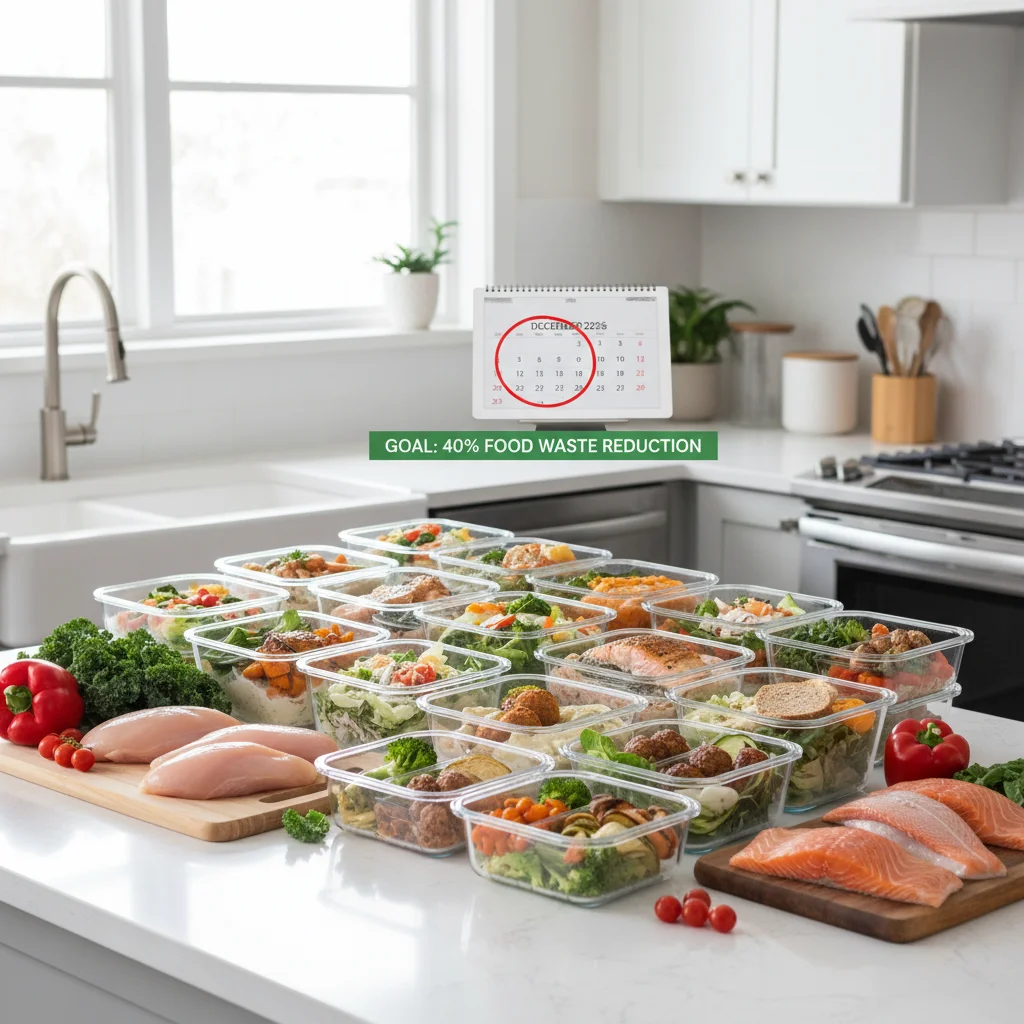
In a world where every dollar counts and sustainability is increasingly paramount, meal prep savings has emerged as a powerful strategy for US households. It’s not just a trend; it’s a practical, impactful approach to managing your budget, improving your health, and significantly reducing your environmental footprint. The statistics are stark: a significant portion of household food goes to waste, costing families hundreds, if not thousands, of dollars annually. But what if there was a way to reclaim those lost dollars and contribute to a more sustainable future? This comprehensive guide will show you how US households can realistically aim to save 40% on food waste by December 2026 through the strategic implementation of meal prepping.
The Staggering Cost of Food Waste in US Households
Before diving into solutions, it’s crucial to understand the magnitude of the problem. Food waste in the United States is an issue of epic proportions. The USDA estimates that between 30-40% of the food supply in the US goes to waste. For individual households, this translates into an average of over $1,500 per year in wasted food. This isn’t just about uneaten leftovers; it encompasses food that spoils before it’s used, ingredients bought on impulse, and portions that are simply too large. This financial drain is often overlooked, yet it represents a substantial area where meal prep savings can make a tangible difference.
The reasons for this waste are multifaceted: busy lifestyles leading to last-minute takeout, lack of meal planning, misunderstanding ‘best by’ dates, and improper food storage. Each of these factors contributes to a cycle of over-purchasing and under-utilizing food resources. The environmental impact is equally concerning, with wasted food contributing to greenhouse gas emissions in landfills. By tackling food waste, we’re not only saving money but also making a conscious effort towards a healthier planet.
Understanding Meal Prepping: More Than Just Tupperware
At its core, meal prepping is the act of preparing ingredients or entire meals in advance. However, to achieve significant meal prep savings and reduce waste, it needs to be more than just throwing some chicken and broccoli into containers. It’s a systematic approach that involves planning, smart shopping, efficient cooking, and proper storage. It’s about taking control of your food consumption, rather than letting it control you.
There are several forms of meal prepping:
- Batch Cooking: Preparing large quantities of a single dish to be consumed over several days.
- Ingredient Prep: Chopping vegetables, cooking grains, or marinating proteins in advance, which can then be combined into different meals throughout the week.
- Freezer Meals: Assembling and freezing entire meals for future use, perfect for busy evenings.
- Portioning Snacks: Dividing larger bags of snacks into individual servings to control consumption and prevent overeating.
Each method offers unique benefits, and the most effective strategy often involves a combination of these techniques tailored to your household’s specific needs and preferences. The goal is to minimize spontaneous food purchases and maximize the use of every ingredient you buy.
The Direct Financial Benefits of Meal Prepping
The most immediate and compelling reason for many to embrace meal prepping is the potential for significant financial savings. By planning your meals, you inherently reduce impulse buys and unnecessary trips to the grocery store or drive-thru. Here’s how meal prep savings translate into real money in your pocket:
- Reduced Grocery Bills: A well-planned grocery list, derived from your meal plan, ensures you only buy what you need. This eliminates those extra items that often spoil in the fridge.
- Fewer Restaurant/Takeout Meals: Having pre-made meals ready to go drastically cuts down on the temptation and necessity of ordering takeout or dining out, which are typically far more expensive than home-cooked food.
- Elimination of Spoilage: When you know exactly how and when you’re going to use every ingredient, the chances of food going bad before it’s consumed plummet.
- Bulk Buying Advantages: Meal prepping often allows for strategic bulk purchases of staples, which can significantly lower the per-unit cost of food.
- Optimized Ingredient Usage: You’ll learn to use every part of an ingredient, from vegetable scraps for broth to repurposing leftovers into new dishes.
These benefits compound over time, making a noticeable difference in your monthly budget. Imagine reallocating that $1,500+ annually from wasted food to savings, investments, or other household needs. The impact is profound.
Strategic Planning: The Foundation of 40% Food Waste Reduction
Achieving a 40% reduction in food waste by December 2026 is an ambitious yet entirely attainable goal for US households, and it begins with meticulous planning. Think of your kitchen as a small, efficient factory where every input and output is considered. This level of organization is key to unlocking maximum meal prep savings.
Step 1: Conduct a Food Waste Audit
Before you can reduce waste, you need to know what you’re wasting. For one to two weeks, keep a simple log of all food that gets thrown away. Note down:
- What food item it was (e.g., half a head of lettuce, a container of yogurt).
- Why it was thrown away (e.g., spoiled, uneaten leftovers, didn’t like it).
- The approximate cost.
This audit will reveal patterns and common culprits, allowing you to tailor your meal prep strategies specifically to your household’s waste habits. Are you buying too much produce? Are leftovers not being eaten? This data is invaluable.
Step 2: Master the Art of Meal Planning
Meal planning is the cornerstone of effective meal prepping. Dedicate 30-60 minutes once a week to plan all your meals for the upcoming week. Consider:
- Your Schedule: Plan quick, easy meals for busy days and more elaborate ones for days with more free time.
- Existing Ingredients: Check your pantry, fridge, and freezer first. Plan meals around ingredients you already have to prevent them from spoiling.
- Dietary Needs & Preferences: Ensure meals cater to everyone in the household.
- Ingredient Overlap: Look for recipes that use similar ingredients (e.g., if a recipe calls for half an onion, find another recipe that uses the other half). This is a prime area for meal prep savings.
- Portion Control: Plan realistic portion sizes to avoid excessive leftovers that might go uneaten.
Tools like digital meal planners, apps, or even a simple spreadsheet can be incredibly helpful here. The more detailed your plan, the less room for error and waste.
Step 3: Smart Grocery Shopping
Armed with your meal plan, create a precise grocery list. Stick to it religiously. Avoid shopping when hungry, as this often leads to impulse purchases. Consider:
- Seasonal Produce: Buying in-season produce is often cheaper and fresher, extending its shelf life.
- Unit Pricing: Pay attention to the cost per unit when comparing similar products to ensure you’re getting the best value.
- “Ugly” Produce: Don’t shy away from perfectly good, albeit imperfect-looking, fruits and vegetables. They’re often cheaper and taste just as good.
- Bulk Bins: For grains, nuts, and spices, buying from bulk bins allows you to purchase exact quantities, reducing waste and often cost.
This disciplined approach to shopping directly contributes to your meal prep savings goals.
Efficient Cooking and Storage Techniques
Once you have your ingredients, the next step is to prepare and store them effectively. This is where the magic of meal prepping truly happens, transforming raw ingredients into ready-to-eat meals or components.
Batch Cooking for Efficiency
Designate a specific day (e.g., Sunday afternoon) for your main meal prep session. During this time, focus on:
- Cooking Grains: Prepare a large batch of rice, quinoa, or pasta that can be used in various meals.
- Roasting Vegetables: Roast a medley of vegetables (broccoli, sweet potatoes, bell peppers) to add to salads, wraps, or as a side dish.
- Cooking Proteins: Grill chicken breasts, bake fish, or cook ground meat in bulk. These versatile proteins can be seasoned differently for various meals.
- Preparing Sauces/Dressings: Make your own healthy dressings and sauces in advance.
This concentrated effort saves time during the week and ensures you always have healthy options readily available, preventing the need for last-minute, often unhealthy, food choices.
Optimal Food Storage for Longevity
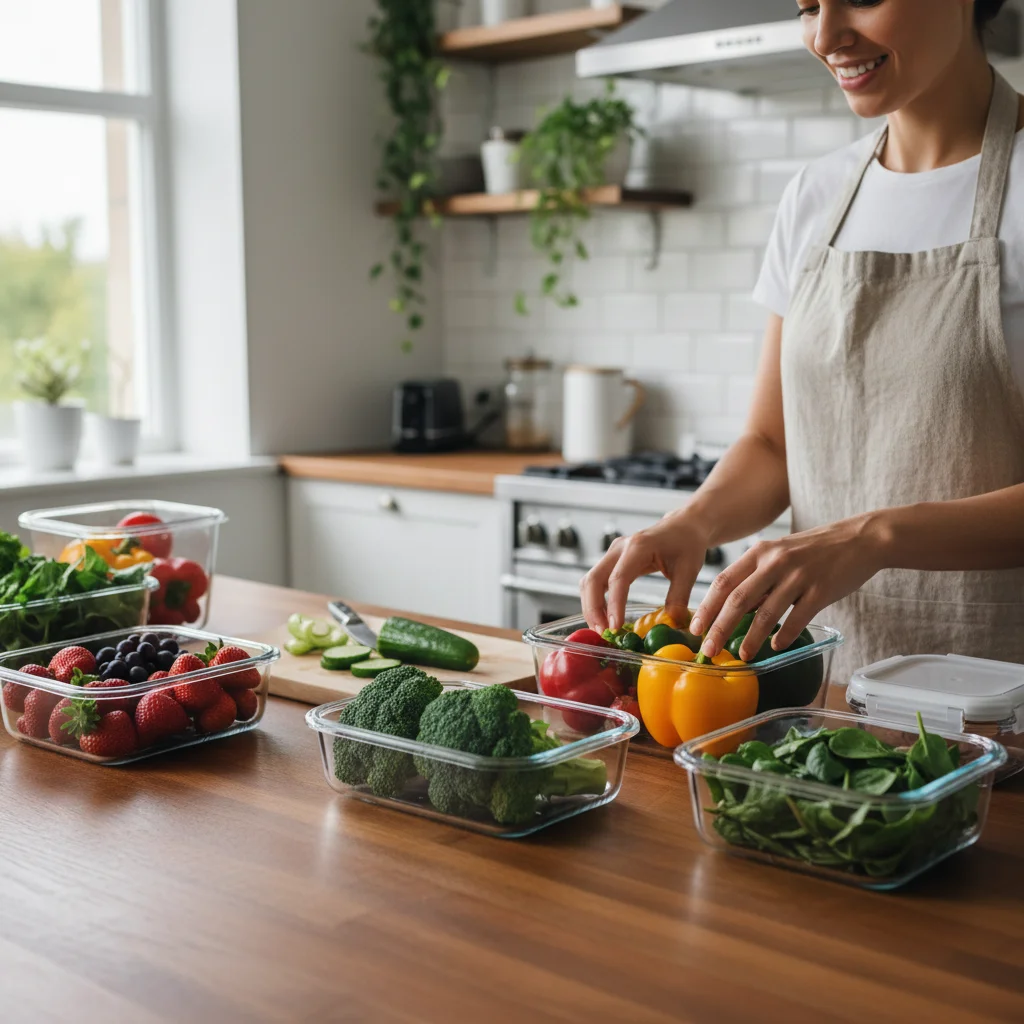
Proper storage is paramount to extending the life of your prepped meals and preventing waste. Invest in good quality, airtight containers. Glass containers are excellent as they are durable, microwave-safe, and don’t absorb odors. Labeling containers with the date and contents is also a simple yet effective practice.
- Refrigeration: Most prepped meals can last 3-4 days in the refrigerator. Store cooked food quickly after it has cooled to room temperature.
- Freezing: For longer storage, utilize your freezer. Soups, stews, casseroles, and cooked proteins freeze exceptionally well. Portion out freezer meals into individual servings for convenience. This is a powerful tool for maximizing meal prep savings.
- Produce Storage: Learn the best way to store different types of produce. For example, leafy greens last longer when washed, dried, and stored with a paper towel in an airtight container. Berries should only be washed right before consumption.
Understanding and implementing these storage techniques directly contributes to achieving your 40% food waste reduction target.
Beyond the Savings: Additional Benefits of Meal Prepping
While meal prep savings are a significant motivator, the benefits extend far beyond your wallet. Embracing meal prepping can positively impact multiple facets of your life:
Healthier Eating Habits
When you plan and prepare your meals, you have complete control over the ingredients. This means less processed food, reduced sodium, sugar, and unhealthy fats, and more whole, nutritious foods. It’s easier to track calories and macronutrients if you have specific health or fitness goals. Meal prepping empowers you to make healthier choices consistently, even on your busiest days.
Time Management and Stress Reduction
Imagine coming home after a long day and not having to worry about what to cook. That’s the luxury meal prepping offers. By dedicating a few hours once a week, you free up valuable time and mental energy during busy weekdays. This reduction in decision fatigue and daily cooking stress can significantly improve your overall well-being and make your evenings more enjoyable.
Environmental Impact
Reducing food waste is a direct action against climate change. When food rots in landfills, it produces methane, a potent greenhouse gas. By minimizing waste, you contribute to a more sustainable food system and a healthier planet. Furthermore, meal prepping often encourages the use of reusable containers, reducing reliance on single-use plastics from takeout.
Skill Development in the Kitchen
Regular meal planning and prepping naturally lead to improved cooking skills. You’ll become more familiar with ingredients, learn new recipes, and become more efficient in the kitchen. This culinary growth is a rewarding benefit that adds to the overall value of meal prepping.
Overcoming Common Meal Prepping Challenges
Like any new habit, meal prepping can come with its challenges. However, with a bit of foresight and strategy, these can be easily overcome to ensure your journey towards meal prep savings is successful.
Challenge 1: Monotony and Boredom
One common complaint is that meal prepping leads to eating the same bland meals repeatedly. To combat this:
- Rotate Recipes: Have a repertoire of 10-15 go-to recipes and rotate them.
- Vary Ingredients: Even with similar base ingredients, change up the vegetables, proteins, or grains.
- Spice It Up: Use different spices, herbs, and sauces to create distinct flavor profiles from similar components.
- Theme Nights: Dedicate certain nights to different cuisines (e.g., ‘Taco Tuesday’ or ‘Pasta Thursday’) to add variety.
Challenge 2: Time Commitment
The initial time investment can seem daunting. Remember:
- Start Small: Don’t try to prep every single meal for the entire week immediately. Start with breakfasts or lunches.
- Batch Prep Ingredients: Focus on prepping components rather than full meals. Cook a big batch of chicken, roast vegetables, and cook grains. Then, mix and match them throughout the week.
- Utilize Kitchen Gadgets: A food processor, slow cooker, or instant pot can significantly cut down on prep and cooking time.
Challenge 3: Food Safety and Spoilage Concerns
Ensuring your prepped food remains safe and fresh is crucial:
- Follow "Two-Hour Rule": Perishable foods should not be left at room temperature for more than two hours. Cool and refrigerate cooked food promptly.
- Proper Storage Containers: Use airtight containers to prevent bacterial growth and maintain freshness.
- Know Your Fridge/Freezer: Understand optimal temperatures for your appliances.
- When in Doubt, Throw It Out: If food looks or smells suspicious, it’s safer to discard it.
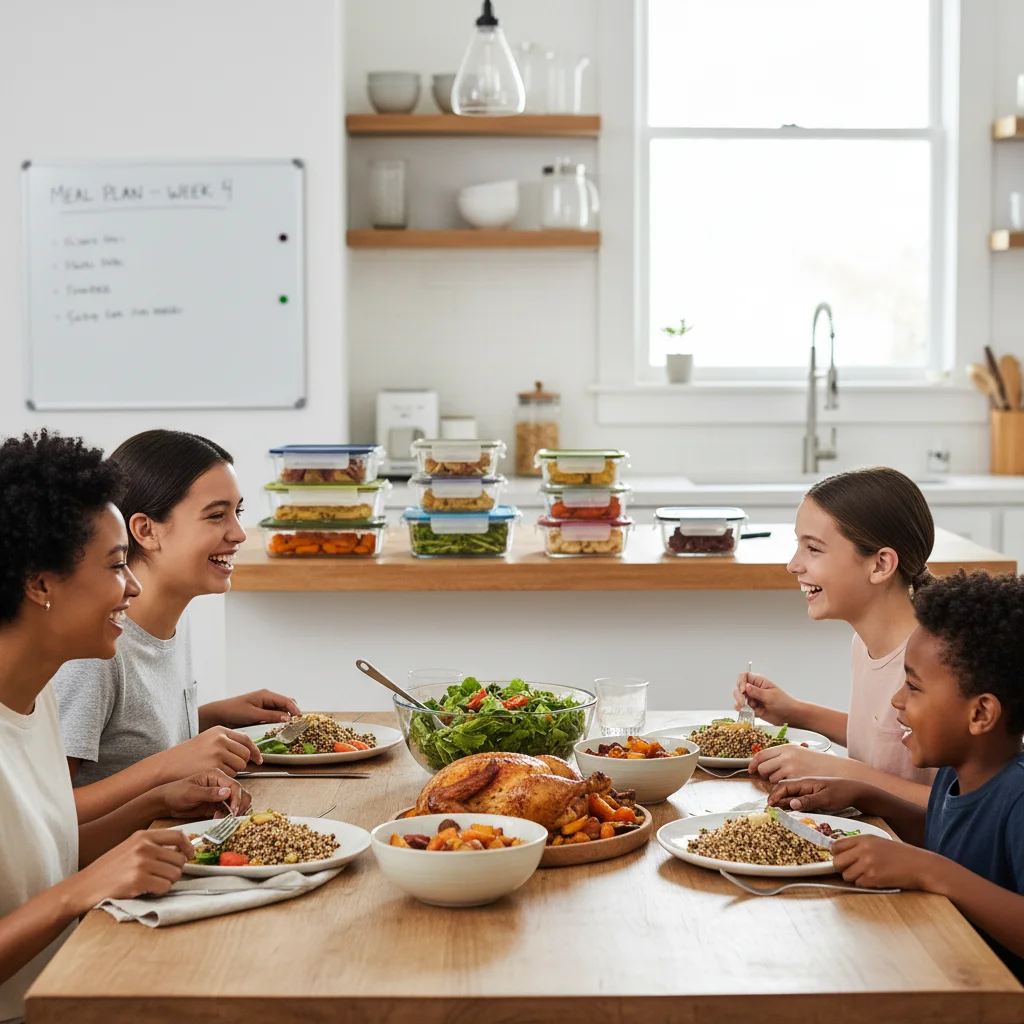
Setting Your Household Up for Success by December 2026
Achieving a 40% reduction in food waste requires a concerted, household-wide effort. Here’s how to foster that success:
Educate Your Household Members
Involve everyone in the family in the meal planning process. Explain the benefits of meal prep savings, both financial and environmental. When everyone understands the ‘why,’ they are more likely to participate and support the initiative.
Start with Small, Achievable Goals
Don’t overwhelm yourself. Begin by focusing on one meal (e.g., prepping all lunches for the week) and gradually expand as you gain confidence and efficiency. Celebrate small victories to maintain momentum.
Invest in the Right Tools
While not strictly necessary, a few key investments can greatly enhance your meal prepping experience:
- Quality Containers: As mentioned, airtight, durable containers are a game-changer.
- Food Scale: Useful for portion control and tracking.
- Good Knives and Cutting Boards: Essential for efficient prep work.
- Slow Cooker/Instant Pot: Can significantly reduce active cooking time.
Track Your Progress
Revisit your food waste audit periodically. Compare your current waste levels to your initial findings. Seeing tangible progress will be a powerful motivator to continue your meal prepping journey and reinforce your commitment to meal prep savings. You might even track your grocery spending to see the direct financial impact.
Be Flexible and Adaptable
Life happens, and sometimes your meticulously planned meals might need to change. Don’t let this derail your entire effort. Have a few backup plans, or be ready to freeze meals if plans change. Flexibility is key to long-term success.
Conclusion: A Sustainable Future with Meal Prep Savings
The goal of reducing food waste by 40% in US households by December 2026 might seem ambitious, but with the strategic and consistent application of meal prepping principles, it is entirely within reach. This isn’t just about cutting costs; it’s about fostering a more intentional, healthier, and sustainable lifestyle. By embracing meal prep savings, you’re not only putting more money back into your family’s budget but also contributing to a larger movement towards environmental responsibility.
Start today. Take that first step, whether it’s planning one meal or auditing your current food waste. The cumulative effect of these small actions will lead to significant changes, proving that a more economical and eco-friendly kitchen is not just a dream, but a tangible reality waiting to be achieved. Your future self, and your wallet, will thank you.
Related Posts: