Master the 4-Step Method to Slash Food Spoilage by 25% and Save Money
Implement our proven 4-step method to cut down on food spoilage by at least 25%. This comprehensive guide offers actionable strategies for smarter shopping, effective storage, creative cooking, and mindful consumption, transforming your kitchen habits and saving you money.
By: Matheus Neiva on June 23, 2026
Last updated on: July 31, 2026
Master the 4-Step Method to Slash Food Spoilage by 25% and Save Money
Are you tired of throwing away perfectly good food? Do you wince at the thought of the money wasted on spoiled groceries? You’re not alone. Food spoilage is a pervasive problem, impacting not only our wallets but also the environment. Globally, an astonishing one-third of all food produced for human consumption is lost or wasted, amounting to billions of dollars annually and contributing significantly to greenhouse gas emissions. For the average household, this translates to hundreds, if not thousands, of dollars literally being tossed in the bin each year. Imagine what you could do with that extra cash – a weekend getaway, a new gadget, or simply a healthier savings account.
The good news is that significantly reducing food spoilage is entirely within your control. It doesn’t require drastic lifestyle changes or complex systems; rather, it’s about adopting a few strategic habits and understanding the lifecycle of your food. We’ve developed a comprehensive 4-step method designed to help you cut down on food spoilage by a remarkable 25% – and often even more. This isn’t just about saving money; it’s about fostering a more sustainable kitchen, minimizing your environmental footprint, and maximizing the value of every grocery trip.
This guide will walk you through each step, providing actionable tips, expert insights, and practical strategies that you can implement immediately. From smarter shopping to innovative storage, creative cooking, and mindful consumption, you’ll gain the knowledge and tools to transform your relationship with food. Get ready to reclaim your budget, reduce your waste, and enjoy fresher, longer-lasting ingredients. Let’s dive into the 4-step method that will revolutionize your kitchen.
Step 1: Smart Shopping & Mindful Planning – The Foundation of Reducing Food Spoilage
The journey to reduce food spoilage begins long before you even step foot in the grocery store. It starts with a shift in mindset – moving from impulsive buying to strategic planning. This foundational step is crucial because buying only what you need and will use is the most effective way to prevent waste. Over-purchasing, especially of perishables, is a leading cause of food spoilage in many households.
Assess Your Current Inventory
Before making a shopping list, take a thorough inventory of your pantry, refrigerator, and freezer. What do you already have? What needs to be used up soon? This helps prevent buying duplicates and ensures that older items are consumed before they expire. Consider organizing your fridge and pantry so that older items are more visible and accessible – a concept often referred to as "first in, first out" (FIFO).
Plan Your Meals for the Week
Meal planning is perhaps the most powerful tool in your arsenal against food waste. Dedicate a specific time each week to plan your meals. Think about breakfasts, lunches, dinners, and any snacks. When planning, consider:
Using up existing ingredients: Prioritize recipes that incorporate items you already have on hand.
Versatility: Choose ingredients that can be used in multiple dishes throughout the week. For example, a whole chicken can be roasted for one meal, and the leftovers can be used in sandwiches, salads, or a stir-fry.
Portion sizes: Be realistic about how much you and your family will actually eat.
Leftovers: Plan for intentional leftovers that can serve as lunch the next day, rather than accidental excess that might go to waste.
Create a Detailed Shopping List (and Stick to It!)
Once your meals are planned, create a precise shopping list. Group items by category (produce, dairy, pantry, etc.) to make your shopping trip more efficient and less prone to impulse buys. Be disciplined at the store; avoid buying items that aren’t on your list, especially if they are highly perishable. Remember, a sale isn’t a good deal if the food goes bad before you can eat it.
Understand "Best By," "Use By," and "Sell By" Dates
These labels can be confusing and often lead to unnecessary food waste. It’s important to understand their meaning:
"Best By" or "Best Before": This indicates when a product will be at its best quality or flavor, not necessarily when it becomes unsafe to eat. Many foods are perfectly safe and delicious past this date.
"Use By" or "Expiration": This date refers to food safety and is typically found on highly perishable items like deli meats, dairy, and eggs. It’s generally advisable to consume or freeze these items by this date.
"Sell By": This date is primarily for retailers to manage inventory and indicates how long the store should display the product. It’s not a safety date for consumers.
By understanding these labels, you can make more informed decisions and avoid discarding food prematurely. Trust your senses – if a food looks, smells, and tastes fine, it’s likely still good to eat.
Shop More Frequently, Buy Less
While a weekly or bi-weekly major grocery haul might seem efficient, it can lead to more spoilage if you’re buying large quantities of perishables. Consider making smaller, more frequent trips for fresh produce and dairy, ensuring you always have the freshest ingredients on hand and reducing the likelihood of items going bad before you can use them.
Even with the best planning, improper storage can quickly undermine your efforts to reduce food spoilage. The way you store your food – from where it’s placed to how it’s sealed – plays a critical role in extending its freshness and preventing premature decay. This step focuses on creating an environment where your food can thrive for as long as possible.
Master Your Refrigerator Zones
Your refrigerator isn’t a monolithic cold box; it has different temperature zones, and understanding them is key to optimal storage:
Top Shelf: Generally the warmest part. Ideal for leftovers, drinks, and ready-to-eat foods.
Middle Shelves: Consistent temperature. Best for dairy products (milk, yogurt, cheese), eggs, and cooked meats.
Bottom Shelf: The coldest part of the fridge. This is the safest place for raw meat, poultry, and fish to prevent cross-contamination and ensure they stay cold enough.
Crisper Drawers: Designed to maintain specific humidity levels.
High-humidity drawer: For leafy greens, herbs, and other vegetables that wilt easily. Don’t wash them until you’re ready to use them, or store them with a damp paper towel.
Low-humidity drawer: For fruits and vegetables that release ethylene gas (which can ripen other produce too quickly), such as apples, pears, and bell peppers.
Door: The warmest part of the fridge due to frequent opening. Only store condiments, jams, and other items with natural preservatives here. Avoid milk or eggs.
Proper Packaging and Containers
The right packaging can make a huge difference:
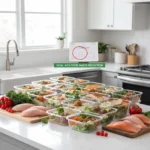
Airtight Containers: Essential for leftovers, cut fruits, and vegetables to prevent oxidation and moisture loss. Glass containers are excellent as they don’t absorb odors and are microwave-safe.
Vacuum Sealing: For longer-term storage of meats, cheeses, and even some produce, a vacuum sealer can dramatically extend shelf life by removing oxygen.
Plastic Wrap/Foil: Use for temporary coverage, but airtight containers are generally superior for freshness.
Produce Bags: Some produce benefits from specialized breathable bags that regulate moisture. For others, simply placing them in a loosely tied plastic bag can help retain moisture.
Understand Ethylene Gas Emitters
Certain fruits and vegetables release ethylene gas, a natural ripening agent that can accelerate the spoilage of other produce. Store these separately:
High Ethylene Producers: Apples, avocados, bananas (ripe), peaches, pears, tomatoes.
Always store ethylene producers away from sensitive produce, ideally in a separate crisper drawer or on the counter if they need to ripen.
Pantry Storage Best Practices
Your pantry items also benefit from proper storage:
Cool, Dark, Dry: Most pantry staples (grains, pasta, canned goods, spices) thrive in a cool, dark, and dry environment.
Airtight Containers: Transfer opened bags of flour, sugar, rice, and cereals into airtight containers to protect them from pests and moisture.
Labeling: Always label containers with the contents and the purchase or "best by" date. This is crucial for maintaining an organized and waste-free pantry.
Freezing for Future Use
Freezing is an excellent way to preserve food that you won’t be able to consume before it spoils. Almost anything can be frozen, from fruits and vegetables (blanching often recommended for veggies) to cooked meals, bread, and even dairy products. Proper freezing techniques include:
Portioning: Freeze food in individual or meal-sized portions for easy thawing.
Airtight Packaging: Use freezer-safe bags or containers, removing as much air as possible to prevent freezer burn.
Labeling and Dating: Always label what you’re freezing and the date it was frozen.
Even with the best planning and storage, you might find yourself with ingredients that are nearing their end or leftovers that need a new life. This is where creative cooking comes into play – transforming ingredients that might otherwise go to waste into delicious new meals. This step is about embracing flexibility and innovation in the kitchen.
"Use It Up" Meals
Designate one night a week as a "use it up" meal night. This is an opportunity to get creative with whatever odds and ends are lingering in your fridge and pantry. Common "use it up" meals include:
Frittatas or Omelets: Perfect for leftover cooked vegetables, small amounts of cheese, or herbs.
Stir-fries: A versatile dish for any combination of vegetables and proteins that need to be used.
Soups or Stews: Excellent for wilting vegetables, leftover cooked meats, or even slightly overripe tomatoes.
Pasta Dishes: Combine nearly any vegetable, protein, or sauce for a quick and satisfying meal.
"Kitchen Sink" Salads: Toss together various greens, cooked grains, leftover proteins, and any remaining fresh vegetables.
Transforming Leftovers
Leftovers don’t have to be boring. With a little imagination, they can be reinvented into exciting new dishes:
Roast Chicken: Leftover chicken can become chicken salad, quesadillas, tacos, soup, or a topping for pizza.
Roasted Vegetables: Blend into a soup, add to a frittata, or mash into a dip.
Cooked Grains (Rice, Quinoa): Transform into fried rice, grain bowls, or even a breakfast porridge.
Day-Old Bread: Make croutons, bread pudding, French toast, or use it for stuffing.
Repurposing Scraps and Peels
Many parts of fruits and vegetables that we typically discard are actually edible and packed with nutrients. This is a fantastic way to minimize food waste:
Vegetable Scraps: Keep a bag in the freezer for vegetable scraps (onion peels, carrot tops, celery ends, herb stems). Once full, use them to make a flavorful homemade vegetable broth.
Citrus Peels: Candied peels, zest for baking, or infused vinegars.
Apple Peels: Make apple chips, apple peel tea, or add to smoothies.
Broccoli Stems: Peel and slice them for stir-fries, slaws, or roasted vegetable medleys.
Batch Cooking and Prepping
Batch cooking involves preparing large quantities of food or individual components to be used throughout the week. This not only saves time but also ensures that ingredients are used efficiently before they spoil. Examples include:
Cooking a large batch of grains: Rice, quinoa, or farro can be used for multiple meals.
Roasting a tray of mixed vegetables: Use as a side dish, in salads, or as a base for other meals.
Chopping vegetables: Prep ingredients for several meals at once and store them in airtight containers.
Step 4: Mindful Consumption & Waste Management – The Final Frontier
The final step in our 4-step method focuses on conscious eating habits and responsible disposal of unavoidable waste. Even with the best planning, storage, and creative cooking, some food waste is inevitable. The goal here is to minimize that waste and manage it in an environmentally friendly way.
Portion Control and Serving Sizes
One of the simplest ways to reduce plate waste is to be mindful of portion sizes. Serve smaller amounts initially, and allow for seconds if desired. This prevents uneaten food from being scraped into the bin. Encourage family members to take only what they can finish. For meals with children, involve them in the portioning process to teach them about mindful eating.
Reheating Leftovers Safely and Deliciously
Leftovers are only valuable if they are actually eaten. Ensure they are stored correctly and reheated properly to maintain taste and safety:
Quick Cooling: Cool hot food rapidly (within 2 hours) before refrigerating to prevent bacterial growth. Divide large portions into smaller containers.
Proper Reheating: Reheat food thoroughly to an internal temperature of 165°F (74°C). Use a microwave, oven, or stovetop, ensuring even heating.
Revitalize: Sometimes, adding a fresh herb, a squeeze of lemon, or a dash of spice can make reheated leftovers more appealing.
Composting Inevitable Scraps
Despite all efforts, some food waste – such as peels, cores, and spoiled items – is unavoidable. Instead of sending it to a landfill, where it produces harmful methane gas, consider composting. Composting turns organic waste into nutrient-rich soil amendment, benefiting your garden or local community. Options include:
Home Composting: A backyard compost bin or worm farm.
Community Composting: Many cities offer drop-off points or curbside collection for food scraps.
Indoor Composting: Small worm bins or specialized electric composters for apartment dwellers.
Donating Edible Excess
If you find yourself with an abundance of non-perishable or even fresh, unspoiled food that you won’t be able to consume, consider donating it to local food banks, shelters, or community fridges. Many organizations are grateful for donations and can put good food to use, feeding those in need rather than letting it go to waste. Always check their specific donation guidelines regarding types of food accepted and freshness requirements.
Educating Your Household
Reducing food waste is a collective effort. Educate everyone in your household about the importance of these practices. Involve children in meal planning, grocery shopping, and even composting. When everyone is on board, the impact of your efforts will be significantly amplified, making it easier to achieve and sustain your goal to reduce food spoilage.
The Economic and Environmental Impact of Reducing Food Spoilage
Implementing this 4-step method to reduce food spoilage extends far beyond the confines of your kitchen. The benefits are substantial, touching both your personal finances and the health of our planet.
Financial Savings
By preventing food from going bad, you’re essentially putting money back into your pocket. Studies show that the average American household wastes around $1,500-$2,000 annually on uneaten food. A 25% reduction, as targeted by this method, could save you hundreds of dollars each year. This money can then be reallocated to other essential needs, savings, or even treats you’ve been eyeing. Imagine the cumulative savings over a decade – a truly significant sum.
These savings aren’t just from avoiding buying new food; they also come from smarter energy use. Less frequent grocery trips mean less gas consumed. More efficient use of your refrigerator and freezer, by ensuring they are not overstuffed with items that will ultimately be discarded, can also contribute to minor energy savings.
Environmental Benefits
The environmental repercussions of food waste are profound. When food rots in landfills, it produces methane, a greenhouse gas significantly more potent than carbon dioxide in contributing to global warming. By reducing the amount of food you throw away, you directly contribute to mitigating climate change.
Furthermore, consider the resources that go into producing food: water for irrigation, land for farming, energy for transportation, and labor for harvesting and processing. When food is wasted, all these valuable resources are wasted along with it. By reducing food spoilage, you are essentially conserving water, energy, and land, and supporting more sustainable living practices.
Composting, as discussed in Step 4, closes the loop by returning nutrients to the soil, improving soil health, and reducing the need for chemical fertilizers. This creates a more circular and sustainable food system, where waste is minimized and resources are maximized.
Improved Health and Well-being
Believe it or not, reducing food spoilage can also positively impact your health. When you’re more mindful of what you buy and how you store it, you tend to consume fresher, higher-quality ingredients. Meal planning often leads to more balanced and nutritious meals, as you’re consciously deciding what to eat rather than resorting to last-minute, less healthy options.
Additionally, an organized kitchen and less food waste can reduce stress and mental clutter. Knowing you have a plan, your food is fresh, and your pantry is in order contributes to a more harmonious home environment.
Overcoming Common Challenges in Reducing Food Spoilage
While the 4-step method is straightforward, implementing it consistently can present challenges. Here are some common hurdles and how to overcome them:
Challenge 1: "I don’t have time for meal planning."
Solution: Start small. Even planning 2-3 meals a week can make a significant difference. Use simple, quick recipes. Leverage online meal planning tools or apps. Remember, the time invested upfront saves time (and money) later by reducing last-minute grocery runs and decision fatigue.
Challenge 2: "I forget what I have in my fridge/pantry."
Solution: Regular inventory checks are key. Consider taking a photo of your fridge before shopping. Keep a running list of perishables on a whiteboard or app. Organize your fridge and pantry with clear containers and labels, ensuring older items are always visible and accessible.
Challenge 3: "My family is picky, and leftovers don’t get eaten."
Solution: Involve your family in meal planning. Offer options for how leftovers can be transformed – a "make your own bowl" night with leftover components can be fun. Adjust portion sizes at mealtime to minimize plate waste. Get creative with seasoning and presentation to make leftovers more appealing.
Challenge 4: "I’m confused about food storage for different items."
Solution: Keep a simple food storage chart handy (on your fridge or pantry door). Focus on the most common items you buy. Prioritize airtight containers and understanding ethylene gas. Over time, these practices will become second nature.
Challenge 5: "I often buy on impulse, especially when things are on sale."
Solution: Stick to your shopping list religiously. If a sale item isn’t on your list and isn’t a non-perishable staple you genuinely need, resist the urge. Ask yourself: "Will I realistically use this before it spoils?" If the answer isn’t a confident yes, leave it on the shelf.
Conclusion: Embrace a Smarter, More Sustainable Kitchen
Reducing food spoilage by 25% – or even more – is an achievable goal that offers profound benefits. By systematically applying this 4-step method – focusing on smart shopping and mindful planning, optimal storage and organization, creative cooking and meal transformation, and mindful consumption and waste management – you can significantly impact your household budget and environmental footprint.
This journey is not about perfection overnight, but about consistent, small changes that accumulate into substantial results. Start with one step, then gradually incorporate others. As you become more adept at these practices, you’ll find that your kitchen operates more efficiently, your grocery bills shrink, and your contribution to a healthier planet grows.
Take control of your food. Make every ingredient count. Embrace the satisfaction of a well-managed kitchen and the peace of mind that comes from knowing you’re making a positive difference. Your wallet, your health, and the environment will thank you. Start today, and watch your food waste dwindle as your savings and sustainability efforts flourish.
Matheus Neiva has a degree in Communication and a specialization in Digital Marketing. Working as a writer, he dedicates himself to researching and creating informative content, always seeking to convey information clearly and accurately to the public.