Zero-Waste Living: Save 15% in US Households by 2026
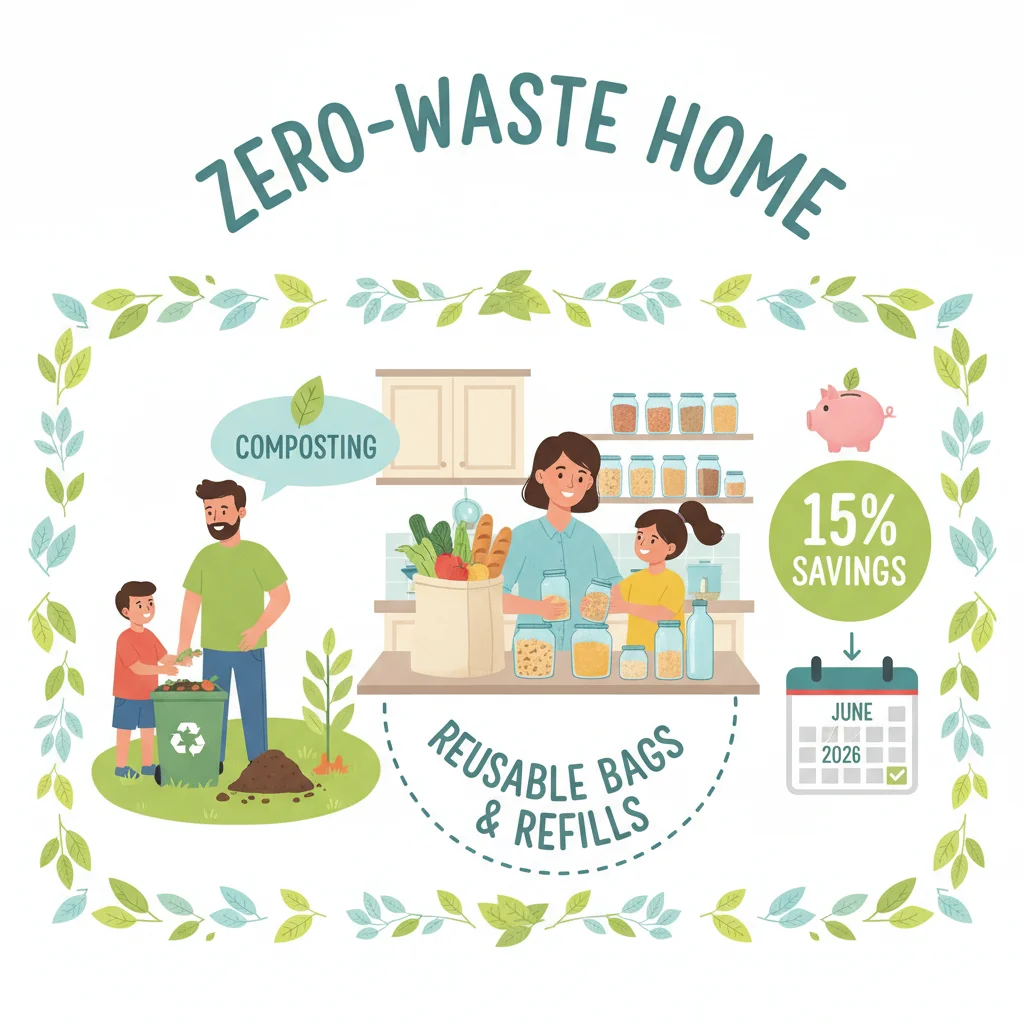
Unlock 15% More Savings: How to Implement Zero-Waste Living Practices in Your US Household by June 2026
In an era where environmental consciousness is paramount and economic pressures are ever-present, the concept of zero-waste living has emerged as a powerful solution. Far from being a niche movement, it’s a practical, accessible, and highly rewarding lifestyle choice that can significantly impact both your wallet and the planet. For US households, the promise is clear: by embracing zero-waste practices, you can realistically achieve a 15% reduction in household expenses by June 2026. This isn’t just about saving money; it’s about fostering a more sustainable, mindful, and ultimately richer way of life. This comprehensive guide will delve into the core principles of zero-waste living, provide actionable strategies tailored for US households, and illustrate how these changes translate directly into substantial financial benefits.
The journey to zero-waste living often begins with a simple question: What can I do to reduce my environmental footprint? The answer, as you’ll discover, is multifaceted and deeply intertwined with your daily consumption habits. From the groceries you buy to the cleaning products you use, every choice presents an opportunity to minimize waste and maximize efficiency. And the best part? These eco-conscious decisions often lead to unexpected financial windfalls. By focusing on durability, reusability, and thoughtful consumption, you naturally cut down on unnecessary purchases, reduce disposal costs, and even lower your utility bills. Let’s explore how to make this vision a reality, transforming your home into a beacon of sustainability and savings.
Understanding the ‘Zero-Waste’ Philosophy: More Than Just Recycling
Before diving into practical tips, it’s crucial to grasp the essence of zero-waste living. It’s not merely about recycling more; it’s about a holistic approach to consumption and disposal. The core philosophy is often summarized by the ‘5 Rs’: Refuse, Reduce, Reuse, Recycle, and Rot (Compost). These principles form a hierarchy, with refusing and reducing at the top, as they prevent waste from being created in the first place, which is far more impactful than dealing with it after it’s generated.
- Refuse: Say no to single-use plastics, freebies you don’t need, and anything designed for immediate disposal. This includes plastic bags, straws, excessive packaging, and promotional items that will end up in a landfill.
- Reduce: Minimize your consumption overall. Do you really need that new gadget, or can you make do with what you have? This extends to reducing food waste, energy consumption, and water usage.
- Reuse: Opt for reusable alternatives whenever possible. Think reusable water bottles, coffee cups, shopping bags, and containers. Repair items instead of replacing them.
- Recycle: When you can’t refuse, reduce, or reuse, recycle properly. Understand your local recycling guidelines, as they can vary significantly across US states and municipalities.
- Rot (Compost): Compost organic waste, such as food scraps and yard trimmings. This diverts biodegradable materials from landfills, where they produce harmful methane gas, and creates nutrient-rich soil for gardens.
By consciously applying these 5 Rs, US households can systematically dismantle their reliance on disposable items and unsustainable practices. This fundamental shift in mindset is the bedrock upon which significant zero waste savings are built. It encourages a more thoughtful approach to every purchase and every disposal, ultimately leading to a more efficient and less wasteful household economy.
The Financial Incentive: How Zero Waste Living Translates to 15% Savings
The 15% savings target by June 2026 is ambitious but entirely achievable for US households committed to zero-waste living. These savings stem from various direct and indirect financial benefits:
- Reduced Spending on Disposables: This is perhaps the most obvious saving. By refusing single-use items like paper towels, plastic wrap, disposable razors, and bottled water, you eliminate recurring purchases that add up significantly over time. Investing in durable, reusable alternatives might have an upfront cost, but it quickly pays for itself.
- Lower Grocery Bills: A significant portion of zero-waste living involves buying in bulk and preparing meals at home. This not only reduces packaging waste but also often results in lower per-unit costs for food. Furthermore, reducing food waste – a major contributor to household waste and expense – directly impacts your grocery budget. Meal planning and proper food storage are key here.
- Decreased Utility Costs: Zero-waste often goes hand-in-hand with energy and water conservation. Repairing leaky faucets, line-drying clothes, using energy-efficient appliances, and being mindful of heating and cooling can lead to noticeable reductions in your electricity, gas, and water bills.
- Fewer Purchases of New Items: Embracing the ‘reuse’ and ‘repair’ principles means you buy fewer new clothes, electronics, and household goods. Instead, you mend, repurpose, or buy second-hand, saving considerable amounts of money.
- DIY Solutions: Making your own cleaning products, personal care items, or even gifts can be substantially cheaper than buying commercially produced versions, which often come in excessive packaging.
- Avoidance of Waste Disposal Fees: While not universal, some US municipalities charge for waste collection based on volume. By reducing your waste, you could potentially lower these fees.
Consider a typical US household budget. By targeting areas like groceries, personal care, cleaning supplies, clothing, and utilities, a 15% reduction becomes a realistic and attainable goal. The cumulative effect of these small changes creates a powerful financial impact, making zero waste savings a tangible reality.
Practical Strategies for US Households to Achieve Zero Waste Savings
Now, let’s break down actionable steps you can take in various areas of your household to implement zero-waste practices and unlock those precious savings.
1. The Zero-Waste Kitchen: Your First Frontier for Savings
The kitchen is often the heart of a home’s waste production, but also its greatest opportunity for zero waste savings. Focus on these areas:
- Bulk Buying & Reusable Containers: Invest in a set of glass jars, cloth bags, and reusable containers. Seek out bulk sections in your local grocery stores or co-ops. Many US stores now offer bulk options for grains, nuts, spices, oils, and even cleaning supplies. This eliminates packaging waste and is often cheaper per pound.
- Meal Planning & Food Waste Reduction: Plan your meals for the week to avoid impulse buys and ensure you use all ingredients. Store food properly to extend its shelf life. Learn to love leftovers! Composting food scraps (vegetable peels, coffee grounds, eggshells) diverts them from landfills and creates valuable fertilizer for plants. Many cities offer municipal composting programs, or you can start a backyard compost bin.
- Reusable Alternatives: Swap paper towels for cloth rags, plastic wrap for beeswax wraps or silicone lids, and disposable coffee pods for a reusable filter. Opt for loose-leaf tea instead of tea bags (which often contain plastic).
- DIY Kitchen Staples: Make your own broths from vegetable scraps, bake your own bread, or ferment vegetables. These activities reduce packaging and often save money.
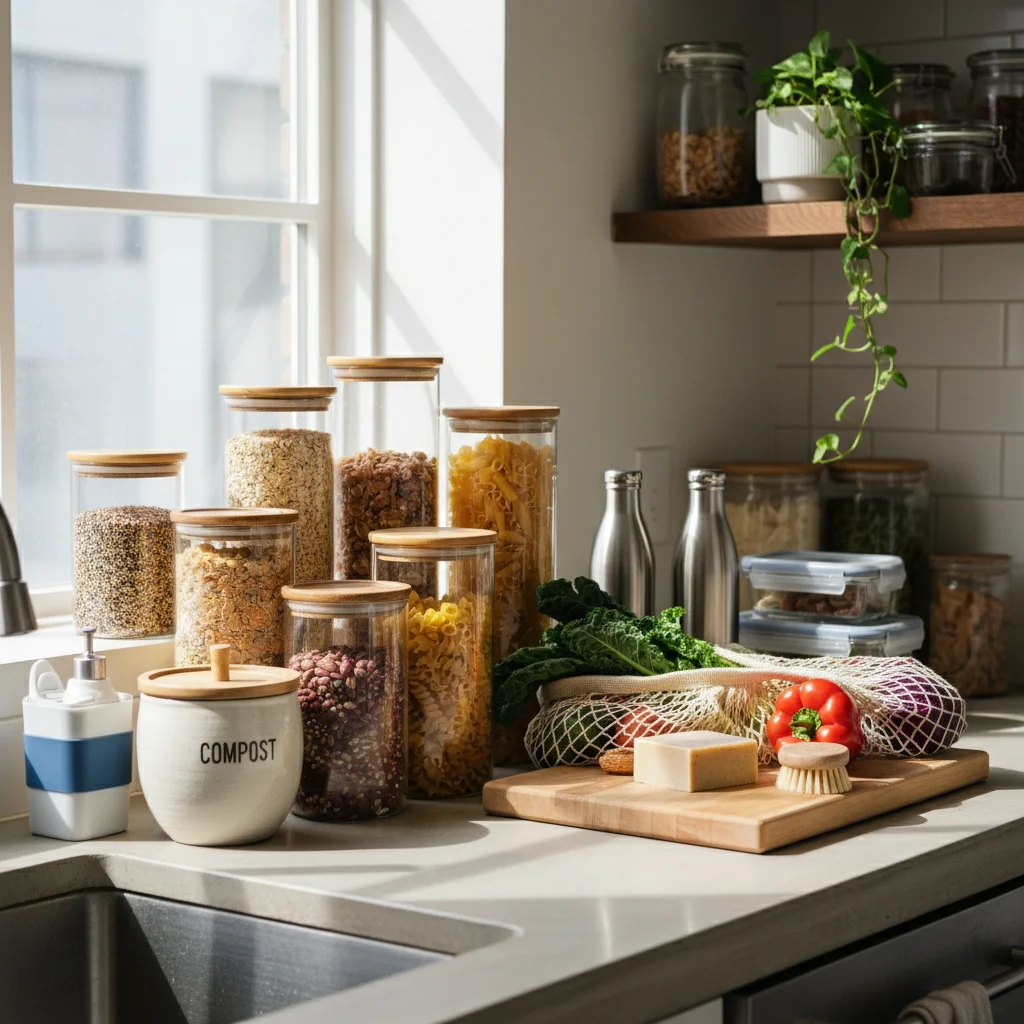
By making conscious choices in your kitchen, you’ll see a significant dent in your waste output and a noticeable increase in your zero waste savings. The initial investment in reusable items will quickly be recouped through reduced recurring purchases.
2. Bathroom & Personal Care: Eco-Friendly Self-Care
The bathroom is another area ripe for reducing waste and increasing zero waste savings:
- Solid Products: Switch to shampoo bars, conditioner bars, and bar soap. These eliminate plastic bottles. Consider solid toothpaste tabs or powder in reusable containers.
- Reusable Hygiene Products: For women, menstrual cups or reusable cloth pads are excellent zero-waste alternatives. For men, safety razors with replaceable blades significantly reduce plastic waste compared to disposable cartridges.
- DIY Personal Care: Many personal care items, like deodorants, lotions, and face masks, can be made at home with simple, natural ingredients. This saves money and avoids harmful chemicals and packaging.
- Bamboo & Natural Materials: Opt for bamboo toothbrushes, natural fiber loofahs, and cotton swabs with paper sticks.
These swaps might seem small individually, but cumulatively, they create substantial zero waste savings and drastically reduce the amount of plastic entering your waste stream.
3. Cleaning & Laundry: Green Solutions for a Clean Home
Conventional cleaning products are often packaged in plastic and contain harsh chemicals. Zero-waste cleaning is not only better for the environment but also for your health and budget:
- DIY Cleaning Solutions: Vinegar, baking soda, lemon juice, and castile soap are your best friends. They can clean almost anything, from countertops to drains, at a fraction of the cost of commercial cleaners. Store them in reusable spray bottles.
- Reusable Cleaning Tools: Ditch paper towels for washable cloth rags, microfiber cloths, and sponges made from natural materials.
- Laundry Practices: Use concentrated, package-free laundry detergent (e.g., laundry strips or powder in cardboard boxes). Line-dry clothes when possible to save energy. Wool dryer balls can replace dryer sheets and reduce drying time.
- Repair, Don’t Replace: If an appliance breaks, consider repairing it before buying a new one. Many US communities have ‘repair cafes’ or local repair shops that can help.

Embracing these green cleaning habits not only saves you money on products but also contributes to a healthier home environment, boosting your overall zero waste savings.
4. Shopping & Consumption Habits: Mindful Purchases
The way you shop has a profound impact on your waste footprint and your zero waste savings:
- Bring Your Own: Always carry reusable shopping bags, produce bags, and a reusable water bottle and coffee cup. This is a fundamental step in refusing single-use plastics.
- Prioritize Second-Hand: Before buying new, check thrift stores, consignment shops, online marketplaces (like Facebook Marketplace, Craigslist), or local ‘Buy Nothing’ groups for clothing, furniture, books, and electronics. This is a massive area for zero waste savings.
- Choose Durable & Repairable Items: Opt for high-quality, long-lasting products that can be repaired if broken, rather than cheap, disposable ones. Research brands known for their durability and ethical practices.
- Support Local & Sustainable Businesses: Farmers’ markets, local artisans, and businesses committed to sustainable packaging and practices often align well with zero-waste principles.
- Minimalist Mindset: Regularly declutter your home and question every new purchase. Do you truly need it? Can you borrow it? Can you rent it? This reductionist approach is central to achieving significant zero waste savings.
Cultivating a mindful consumption habit is perhaps the most powerful tool in your zero-waste arsenal, directly impacting your spending and waste generation.
5. Beyond the Home: Extending Zero-Waste Practices
Zero-waste living isn’t confined to your four walls. Extend these principles to other aspects of your life:
- Workplace: Bring your lunch in reusable containers, use a reusable coffee mug, and advocate for sustainable practices in your office.
- Travel: Pack a reusable water bottle, snacks in reusable containers, and a small zero-waste toiletries kit.
- Gifts & Celebrations: Opt for experiences over material gifts, make homemade gifts, or choose gifts with minimal or recyclable packaging. Use reusable gift bags or fabric wraps instead of disposable wrapping paper.
- Advocacy: Talk to friends and family about your zero-waste journey. Support policies and businesses that promote sustainability.
Each extension of your zero-waste efforts amplifies your positive impact and contributes to a broader cultural shift towards sustainability, reinforcing the potential for zero waste savings on a larger scale.
Tracking Your Progress and Maximizing Zero Waste Savings
To truly hit that 15% savings target by June 2026, it’s essential to track your progress and adjust your strategies. Here’s how:
- Budgeting App/Spreadsheet: Use a budgeting tool to categorize your spending (groceries, personal care, cleaning, utilities, etc.). This will allow you to see where your money is going and identify areas for reduction.
- Waste Audits: Periodically conduct a mini-waste audit. For a week, observe what you’re throwing away. This can be eye-opening and help you pinpoint specific areas to target for waste reduction.
- Set Mini-Goals: Instead of feeling overwhelmed by the 15% target, break it down. Aim to reduce your grocery bill by 2% each quarter, or eliminate one single-use item per month.
- Celebrate Small Victories: Acknowledge your efforts! Every time you successfully reuse something, refuse a disposable item, or divert waste from the landfill, you’re making a difference.
- Community Support: Join online zero-waste communities or local groups. Sharing tips, challenges, and successes with others can be incredibly motivating and provide new ideas for zero waste savings.
Remember, zero-waste living is a journey, not a destination. There will be times when you generate waste, and that’s okay. The goal is continuous improvement and mindful consumption. By consistently striving to reduce, reuse, and recycle, you’ll not only achieve significant zero waste savings but also contribute to a healthier planet for future generations.
Addressing Common Challenges for US Households
While the benefits of zero-waste living are clear, US households might encounter specific challenges:
- Accessibility to Bulk Stores: Not all areas have readily available bulk food stores. Look for farmers’ markets, co-ops, or even online retailers that offer bulk options with minimal packaging.
- Upfront Costs: Investing in reusable items (e.g., glass jars, cloth bags, menstrual cups) can have an initial cost. View these as long-term investments that will pay off significantly in zero waste savings over time. Start with one or two items at a time to ease the transition.
- Social Pressure: It can sometimes feel awkward to refuse items or bring your own containers. Practice politely declining and educating others about your choices.
- Time Commitment: Making DIY products or meal planning can seem time-consuming. Start small, integrate changes gradually, and discover what works best for your schedule. Often, the time saved by not shopping for disposables balances out the time spent on sustainable alternatives.
- Local Recycling Variations: Recycling rules differ widely across the US. Check your local municipality’s website for precise guidelines on what they accept. When in doubt, it’s often better to refuse or reduce.
Overcoming these hurdles requires patience and persistence. Focus on progress, not perfection. Every step you take towards reducing your waste contributes to both your personal zero waste savings and the collective good.
The Broader Impact: Beyond Your Household Budget
While the 15% zero waste savings are a compelling motivator, the benefits of this lifestyle extend far beyond your personal finances. By reducing your household waste, you are actively contributing to:
- Environmental Protection: Less waste means fewer resources extracted, less energy consumed in production and transportation, and less pollution in our air, water, and soil. It helps combat climate change by reducing landfill methane emissions.
- Resource Conservation: Zero waste promotes a circular economy where resources are valued and kept in use for as long as possible, rather than a linear ‘take-make-dispose’ model.
- Healthier Living: Reducing exposure to chemicals in packaged foods and cleaning products can lead to a healthier home environment.
- Community Resilience: Supporting local businesses and farmers through zero-waste practices strengthens local economies and food systems.
- Inspiring Change: Your actions can inspire friends, family, and neighbors to adopt similar practices, creating a ripple effect of positive change.
The goal of 15% zero waste savings by June 2026 is a powerful, measurable objective that combines personal financial gain with significant environmental stewardship. It’s a testament to how individual actions, when scaled across US households, can create a profound and lasting impact. By embracing the principles of zero-waste living, you’re not just saving money; you’re investing in a more sustainable, resilient, and thriving future for everyone.
Conclusion: Your Path to Zero Waste Savings and a Sustainable Future
The journey to zero-waste living is an empowering one, offering tangible financial rewards and invaluable environmental benefits. For US households, the opportunity to unlock 15% more savings by June 2026 is a compelling call to action. By systematically applying the 5 Rs – Refuse, Reduce, Reuse, Recycle, and Rot – across your kitchen, bathroom, cleaning routines, and shopping habits, you can transform your household into a model of efficiency and sustainability.
Remember, this isn’t about perfection, but about progress. Start small, choose one area to focus on, and gradually integrate more zero-waste practices into your daily life. Track your spending, celebrate your achievements, and learn from any setbacks. The cumulative effect of these conscious choices will not only lead to significant zero waste savings but also foster a deeper connection to your consumption habits and their impact on the world around you.
Embrace this challenge with enthusiasm and dedication. The benefits – financial freedom, a healthier home, and a positive contribution to the planet – are well worth the effort. Begin your zero-waste journey today, and by June 2026, you’ll be celebrating not only a healthier bank account but also a more sustainable and fulfilling way of life.
Related Posts: