Cut Utility Bills 2026: Smart Spending Guide for 12% Savings
This comprehensive guide for 2026 provides actionable strategies to significantly cut utility bills. Learn how to implement smart spending habits and energy-efficient solutions to reduce your home's energy consumption by at least 12%, leading to substantial financial savings.
By: Matheus Neiva on August 21, 2026
Cut Utility Bills 2026: Smart Spending Guide for 12% Savings
In an era of rising living costs and increasing environmental awareness, finding effective ways to cut utility bills has become more crucial than ever. As we look towards 2026, technological advancements and a deeper understanding of energy consumption offer unprecedented opportunities to make significant savings. This comprehensive guide is designed to empower you with the knowledge and actionable strategies needed to reduce your energy bill by a remarkable 12% or more. We’ll explore everything from simple behavioral changes to smart home upgrades, ensuring you have a roadmap to a more energy-efficient and financially sound future.
The average household spends a substantial portion of its income on utilities – electricity, gas, water, and sometimes even internet and waste management. These costs can fluctuate wildly due to seasonal demands, market prices, and even daily habits. By strategically addressing each of these areas, you can gain control over your expenses and contribute positively to the environment. Our focus isn’t just on temporary fixes; it’s about implementing sustainable practices that will continue to yield savings for years to come. Let’s embark on this journey to a smarter, more economical way of living.
Understanding Your Utility Bill: The First Step to Savings
Before you can effectively cut utility bills, you need to understand what you’re paying for. Many people glance at the total amount due without delving into the details. Your utility bill is a treasure trove of information, revealing consumption patterns, peak usage times, and even comparisons to similar households. Taking the time to analyze these statements is the foundational step towards identifying areas for improvement.
Deciphering the Details
Usage vs. Cost: Understand the difference between how much energy (kWh for electricity, therms for gas, gallons for water) you’re using and the cost per unit. Often, tariffs change based on consumption tiers or time of day.
Peak vs. Off-Peak: Many electricity providers implement time-of-use (TOU) rates, where electricity is more expensive during peak demand hours (e.g., late afternoon/early evening) and cheaper during off-peak times (e.g., night/early morning). Adjusting your habits to shift high-energy activities to off-peak hours can lead to substantial savings.
Fixed vs. Variable Charges: Identify the fixed charges (like service fees) that remain constant regardless of usage, and the variable charges that fluctuate with your consumption.
Historical Data: Most bills provide historical usage data, allowing you to compare your current consumption with previous months or years. This helps you track progress and identify seasonal trends.
Leveraging Online Tools and Smart Meters
Modern utility companies offer online portals and mobile apps that provide real-time or near real-time data on your energy consumption. If you have a smart meter installed, this information is even more granular, allowing you to see the impact of specific appliances or activities. Regularly checking these tools can make you more aware of your energy footprint and motivate you to make changes. Many also offer personalized tips and alerts based on your usage patterns, further helping you to cut utility bills.
Strategic Energy-Saving Adjustments: Quick Wins for Your Wallet
Sometimes, the biggest savings come from the simplest changes. These behavioral adjustments require little to no financial investment but can significantly impact your monthly utility expenditure. Implementing these habits consistently will be key to achieving your 12% reduction goal.
Thermostat Management: The Heart of Home Energy
Your heating and cooling systems are typically the biggest energy consumers in your home. Smart thermostat usage is a cornerstone of any strategy to cut utility bills.
Set it and Forget It (Smartly): Program your thermostat to adjust temperatures when you’re away or asleep. A 7-10 degree Fahrenheit setback for 8 hours a day can save up to 10% on heating and cooling.
Optimal Temperature Settings: Aim for 68°F (20°C) in winter and 78°F (26°C) in summer when at home. Each degree you adjust beyond these can add or subtract significantly from your energy bill.
Avoid Manual Override: Resist the urge to constantly adjust the thermostat. Find a comfortable setting and let the system do its job.
Use Fans Wisely: Ceiling fans create a wind-chill effect, making a room feel cooler. Use them in conjunction with air conditioning to set the thermostat a few degrees higher. In winter, reverse the fan direction to push warm air down.
Lighting Up Smartly
Lighting accounts for a noticeable portion of electricity use, but modern technology offers easy solutions to cut utility bills in this area.
Switch to LEDs: If you haven’t already, replace all incandescent bulbs with LED (Light Emitting Diode) bulbs. LEDs use 75% less energy and last 25 times longer than traditional bulbs.
Natural Light Optimization: Maximize natural daylight by opening blinds and curtains during the day. Arrange furniture to take advantage of sunlit areas.
Turn Off Lights: It sounds obvious, but it’s often overlooked. Get into the habit of turning off lights when leaving a room, even for a short period.
Motion Sensors/Dimmers: Install motion-activated lights in low-traffic areas like hallways, pantries, or outdoor spaces. Dimmers allow you to reduce light output and save energy.
Appliance Habits: Small Changes, Big Impact
Everyday appliance use offers numerous opportunities to cut utility bills without sacrificing convenience.
Full Loads Only: Run your dishwasher and washing machine only when they are full. This maximizes efficiency and reduces water and energy consumption.
Cold Water Wash: Modern detergents are highly effective in cold water. Heating water for laundry is a significant energy drain, so switching to cold water washes can save a lot.
Air Dry When Possible: Use a clothesline or drying rack instead of your dryer, especially during warmer months. If you must use a dryer, clean the lint filter before every load to improve efficiency.
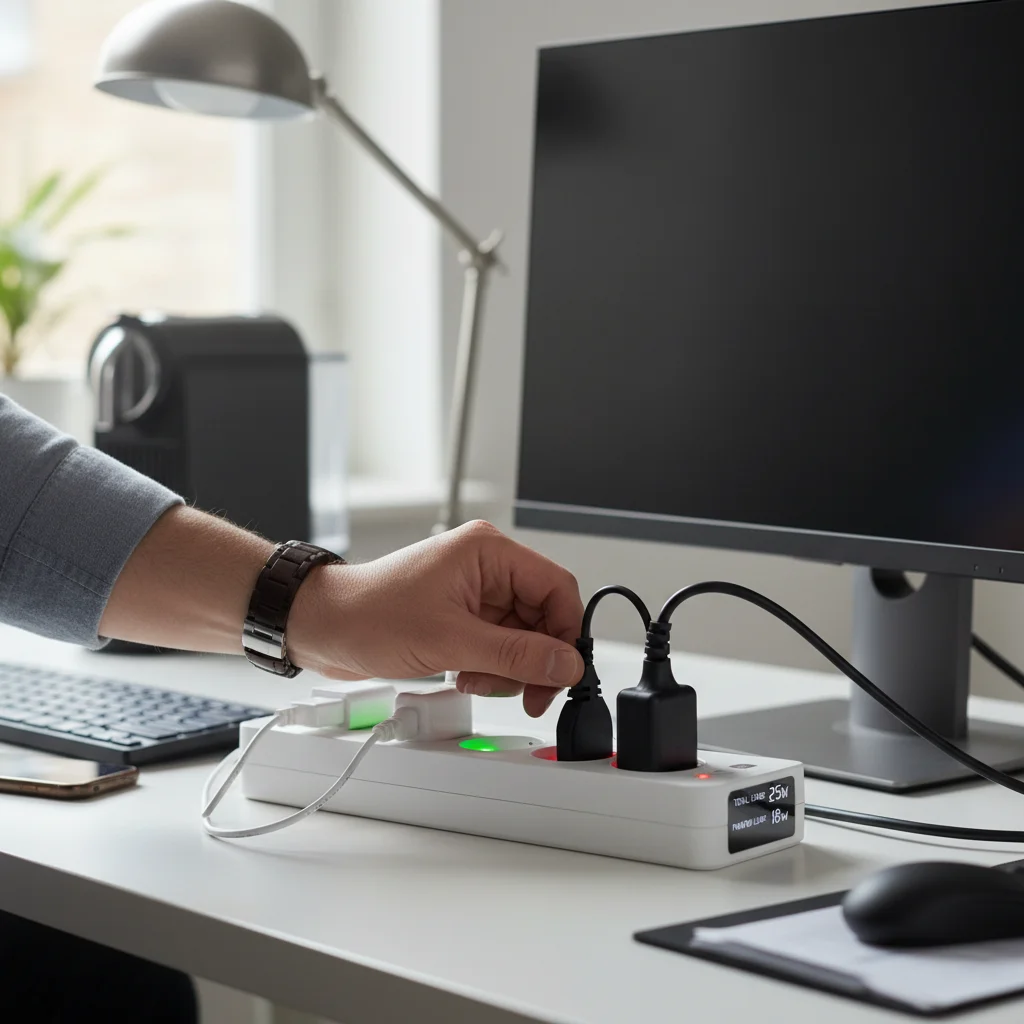
Unplug ‘Phantom Loads’: Many electronics continue to draw power even when turned off or in standby mode (e.g., phone chargers, TVs, coffee makers). Use smart power strips or unplug devices when not in use to eliminate these ‘vampire’ loads.
Investing in Efficiency: Upgrades That Pay for Themselves
While behavioral changes are crucial, some of the most substantial savings come from investing in energy-efficient upgrades. These upfront costs often have excellent returns on investment, helping you to cut utility bills significantly over their lifespan. Many governments and utility companies also offer rebates or incentives for these improvements, making them even more attractive.
Insulation and Sealing: The Home’s Energy Envelope
A well-insulated and sealed home is fundamental to energy efficiency. Gaps and insufficient insulation allow conditioned air to escape and unconditioned air to enter, forcing your HVAC system to work harder.
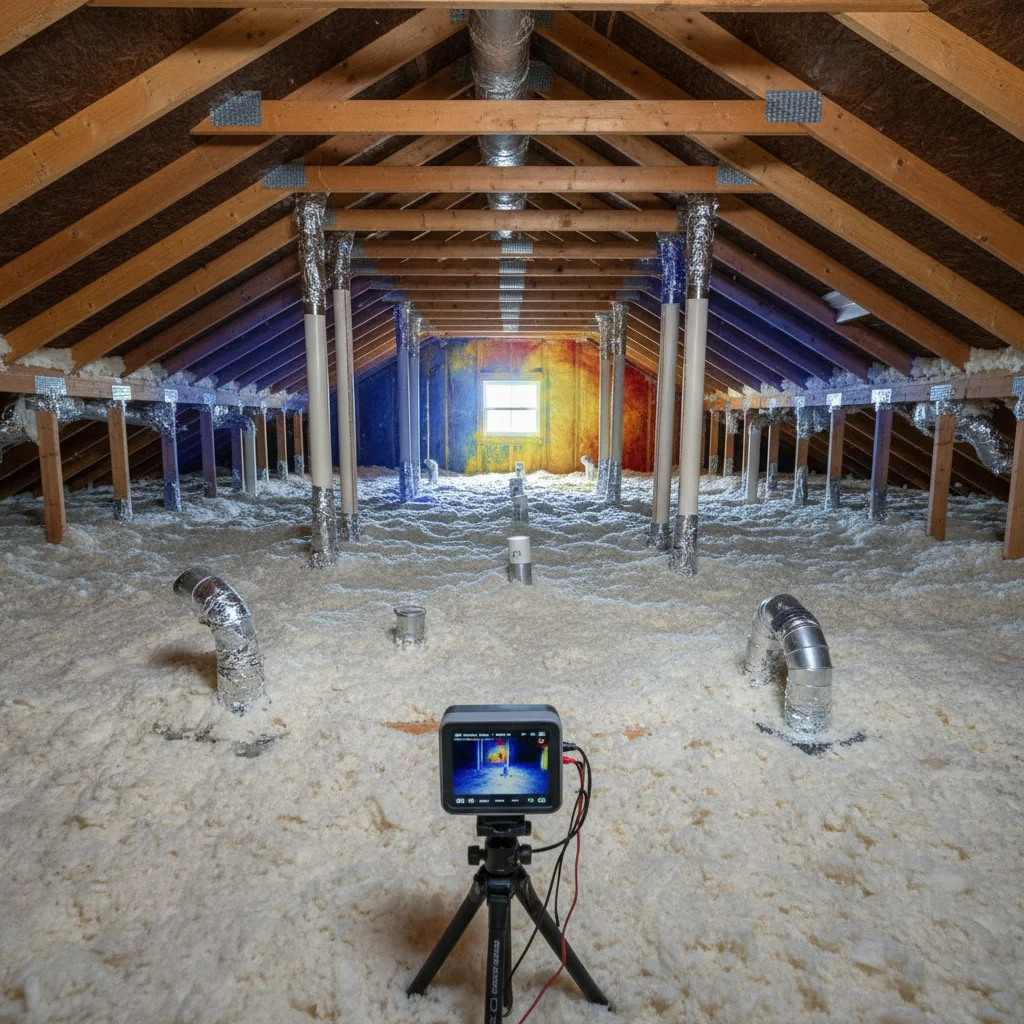
Attic Insulation: This is often the most cost-effective insulation upgrade. Ensure your attic has adequate insulation (check recommended R-values for your climate zone).
Wall and Floor Insulation: While more complex, insulating walls and floors can dramatically improve comfort and reduce heating/cooling loads.
Seal Air Leaks: Use caulk and weatherstripping to seal gaps around windows, doors, electrical outlets, and plumbing penetrations. A professional energy audit can pinpoint hidden leaks.
Duct Sealing: Leaky ducts can waste up to 30% of your heating and cooling energy. Have your ductwork inspected and sealed by a professional.
Window and Door Upgrades
Old, single-pane windows and poorly sealed doors are major sources of energy loss.
Energy-Efficient Windows: Replace old windows with ENERGY STAR certified models, featuring double or triple-pane glass, low-emissivity (Low-E) coatings, and argon gas fills.
Storm Windows/Panels: A more affordable alternative to full replacement, storm windows can add an extra layer of insulation.
Insulated Doors: Ensure exterior doors are well-insulated and have tight seals. Add door sweeps and weatherstripping.
High-Efficiency Appliances
When it’s time to replace an old appliance, always opt for ENERGY STAR certified models. These appliances are designed to use less energy and water, leading to lower operating costs.
Refrigerators: Newer models are significantly more efficient.
Washing Machines/Dryers: Look for front-loading washers and dryers with moisture sensors.
Dishwashers: ENERGY STAR dishwashers use less water and energy.
Water Heaters: Consider tankless water heaters or heat pump water heaters for substantial savings, especially if your current unit is old.
HVAC System Optimization
Your heating, ventilation, and air conditioning (HVAC) system is likely your home’s largest energy consumer. Regular maintenance and strategic upgrades are essential to cut utility bills.
Regular Maintenance: Schedule annual tune-ups for your furnace and AC. Clean or replace air filters monthly.
Upgrade to High-Efficiency Systems: If your HVAC system is over 10-15 years old, consider replacing it with a high-efficiency model (e.g., SEER 15+ for AC, AFUE 90%+ for furnaces). Heat pumps are an excellent all-in-one solution for heating and cooling.
Proper Sizing: Ensure your HVAC system is correctly sized for your home. An oversized unit will cycle on and off frequently, wasting energy and reducing comfort.
Smart Home Technology: The Future of Energy Management
The rise of smart home technology has revolutionized the way we manage our energy consumption. These devices offer unprecedented control, automation, and insight, making it easier than ever to cut utility bills.
Smart Thermostats: Beyond Programming
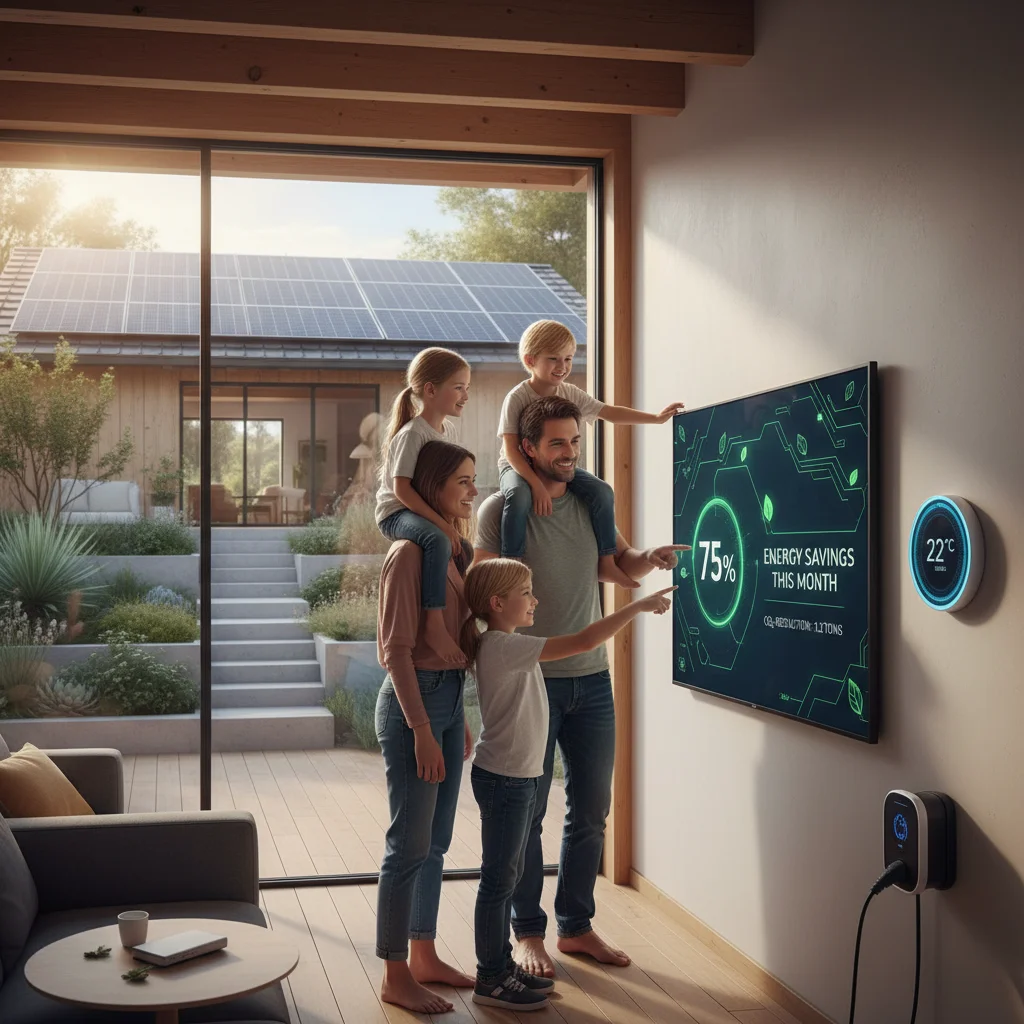
Modern smart thermostats do more than just follow a schedule. They learn your habits, adjust to local weather, and can be controlled remotely via your smartphone.
Learning Capabilities: Many smart thermostats learn your preferred temperatures and adjust schedules automatically.
Geofencing: Some models use your phone’s location to know when you’re home or away, adjusting the temperature accordingly to avoid heating or cooling an empty house.
Energy Reports: They provide detailed energy usage reports, helping you identify trends and areas for further savings.
Integration: Seamlessly integrate with other smart home devices for a holistic energy management system.
Remote Control: Turn lights on or off from anywhere using your smartphone.
Scheduling: Set lights to come on or off at specific times, mimicking occupancy or ensuring lights aren’t left on unnecessarily.
Occupancy Sensors: Lights automatically turn off when a room is vacant.
Dimming and Color Control: Adjust brightness and color temperature to optimize lighting for different tasks and moods, often saving energy in the process.
Smart Plugs and Power Strips
These simple devices are powerful tools for combating phantom load and gaining control over individual appliances.
Remote Control: Turn off devices from anywhere.
Scheduling: Set schedules for appliances (e.g., turn off TV at midnight, turn on coffee maker before you wake up).
Energy Monitoring: Some smart plugs can monitor the energy consumption of plugged-in devices, helping you identify energy hogs.
Water Leak Detectors and Smart Water Valves
Water leaks can be incredibly costly, both in terms of wasted water and potential property damage. Smart water technology helps to cut utility bills by preventing these issues.
Leak Detection: Sensors placed near water sources (water heater, under sinks) alert you to leaks immediately.
Automatic Shut-off: Some systems can automatically shut off the main water supply when a significant leak is detected, preventing extensive damage and water waste.
Usage Monitoring: Track your water consumption in real-time, helping you identify inefficiencies.
Water Conservation: Beyond the Shower
Water bills can be a significant component of your overall utility costs, especially in regions prone to drought or with high water rates. Implementing water-saving strategies is another effective way to cut utility bills.
Indoor Water Saving Tips
Low-Flow Fixtures: Install low-flow showerheads (1.5-2.0 gallons per minute) and aerators on faucets.
Efficient Toilets: Replace old, inefficient toilets with dual-flush or low-flow models (1.28 gallons per flush or less).
Fix Leaks Promptly: A dripping faucet or a running toilet can waste thousands of gallons of water per year. Fix them as soon as you notice them.
Conscious Usage: Turn off the tap while brushing teeth, shaving, or washing dishes. Take shorter showers.
Outdoor Water Conservation
Landscaping and gardening often account for a large portion of household water consumption.
Drip Irrigation: Switch from sprinklers to drip irrigation systems for gardens and flowerbeds. Drip systems deliver water directly to the plant roots, minimizing evaporation.
Xeriscaping: Design your landscape with drought-tolerant plants that require minimal watering.
Rain Barrels: Collect rainwater for use in your garden. This reduces reliance on municipal water for irrigation.
Smart Sprinkler Systems: These systems use local weather data to adjust watering schedules, preventing overwatering and ensuring your lawn gets only the water it needs.
Exploring Renewable Energy Options
For those looking for long-term, significant reductions and even elimination of electricity bills, renewable energy sources like solar power offer a compelling solution. While the initial investment can be substantial, the long-term savings and environmental benefits are immense.
Solar Panels: Harnessing the Sun
Installing solar panels on your roof can drastically cut utility bills, often reducing your electricity bill to near zero, or even generating credits if your system produces more power than you consume (net metering).
Cost-Effectiveness: Solar panel costs have decreased significantly, and various federal, state, and local incentives (tax credits, rebates) can further reduce the upfront expense.
Increased Home Value: Homes with solar panels often have higher resale values.
Energy Independence: Reduce your reliance on the grid and protect yourself from rising electricity prices.
Geothermal Systems
Geothermal heat pumps use the stable temperature of the earth to provide highly efficient heating and cooling for your home. While more expensive to install than traditional HVAC, they offer superior efficiency and can significantly cut utility bills over their lifespan.
As we move into 2026, several trends will continue to shape the landscape of utility consumption and savings:
Smarter Grids: Utilities are investing in smart grid technologies that allow for better management of energy flow, potentially leading to more dynamic pricing models and opportunities for consumers to save.
Increased Electrification: A shift away from fossil fuels towards electricity for heating, cooking, and transportation will continue. This makes energy efficiency in electrical appliances even more critical.
Advanced Home Energy Management Systems: Expect more integrated smart home platforms that can seamlessly manage all aspects of your home’s energy use, from appliances to HVAC and even electric vehicle charging.
Personalized Data and AI: Artificial intelligence will play a greater role in analyzing your consumption data, offering highly personalized recommendations and even automating energy-saving actions.
Renewable Energy Accessibility: The cost of solar and other renewable energy technologies is expected to continue to fall, making them more accessible to the average homeowner.
Creating Your Personalized Savings Plan
Achieving a 12% reduction in your utility bills by 2026 isn’t a one-size-fits-all endeavor. It requires a personalized approach based on your home, habits, and budget. Here’s how to create your action plan:
Audit Your Current Usage: Start by thoroughly reviewing your utility bills for the past 12 months. Identify your biggest energy consumers and peak usage times.
Set Realistic Goals: While 12% is a great target, break it down. Maybe aim for 5% in the first quarter through behavioral changes, then another 7% through a few smart upgrades.
Prioritize High-Impact, Low-Cost Changes: Begin with the easiest and most affordable adjustments: thermostat programming, switching to LEDs, unplugging phantom loads, and fixing minor leaks. These provide immediate returns and build momentum.
Research Rebates and Incentives: Before making any major investments (insulation, new windows, HVAC, solar), check for local, state, and federal programs that can offset costs.
Invest Strategically: Once you’ve exhausted the quick wins, evaluate larger investments based on their return on investment (ROI). Start with upgrades that offer the best payback period and align with your budget.
Monitor and Adjust: Regularly review your utility bills and smart meter data. Are your changes having the desired effect? If not, identify why and adjust your strategy. Energy efficiency is an ongoing process.
Educate Your Household: Ensure everyone in your home understands the importance of energy saving and their role in contributing to the goal of reducing utility costs.
Conclusion: A Greener, More Economical Future
The journey to significantly cut utility bills by 2026 is an achievable one, filled with opportunities for both financial gain and environmental stewardship. By embracing a combination of mindful consumption, strategic upgrades, and the power of smart technology, you can transform your home into an energy-efficient haven. The 12% reduction target is not just a number; it represents tangible savings that can be redirected to other financial goals or simply provide more breathing room in your budget. Start today, make smart choices, and watch your utility bills shrink while your savings grow. The future of smart spending on utilities is here, and it’s within your reach.
Matheus Neiva has a degree in Communication and a specialization in Digital Marketing. Working as a writer, he dedicates himself to researching and creating informative content, always seeking to convey information clearly and accurately to the public.