Cut Grocery Bill 30%: 2026 Meal Planning & Bulk Buying Guide US
Discover how to significantly reduce your grocery expenses in 2026. This guide provides actionable strategies for meal planning and bulk buying to save 30% on your food budget in the US.
By: Matheus Neiva on March 6, 2026
Last updated on: July 31, 2026
Cut Grocery Bill 30%: 2026 Meal Planning & Bulk Buying Guide US
The 2026 Guide to Cutting Your Grocery Bill by 30% Through Strategic Meal Planning and Bulk Buying in the US
Are you feeling the pinch of rising food costs? In 2026, grocery prices in the US continue to challenge household budgets, making it more crucial than ever to find smart ways to save. Imagine cutting your grocery bill by a whopping 30% without sacrificing quality or nutrition. It’s not just a dream; it’s an achievable reality with strategic meal planning and smart bulk buying. This comprehensive guide will equip you with the knowledge and actionable steps to transform your grocery shopping habits and significantly reduce your food expenses.
The average American household spends a substantial portion of its income on food. With inflation and supply chain issues impacting prices, many families are looking for sustainable solutions. This article will delve deep into two powerful strategies: meticulous meal planning and intelligent bulk purchasing. By mastering these techniques, you’ll not only save money but also reduce food waste, eat healthier, and enjoy a less stressful grocery shopping experience.
Let’s embark on this journey to financial freedom, one grocery trip at a time.
Understanding Your Current Grocery Spending to Cut Grocery Bill Effectively
Before you can effectively cut your grocery bill, you need to understand where your money is currently going. Many people are surprised to learn how much they truly spend on groceries each month. This initial assessment is a critical first step.
Track Your Spending
For at least two to four weeks, meticulously track every single dollar you spend on food. This includes restaurant meals, coffee runs, and, of course, all grocery purchases. Use a budgeting app, a spreadsheet, or even a simple notebook. Categorize your spending: fresh produce, meat, dairy, pantry staples, snacks, eating out, etc. This will give you a clear picture of your habits and highlight areas where you might be overspending.
Analyze Your Receipts
Don’t just look at the total; examine your grocery receipts. Are you buying a lot of convenience foods? Are impulse buys adding up? Are you purchasing items that often go to waste? This analysis will reveal patterns and opportunities to cut grocery bill expenses.
Set a Realistic Budget
Once you have a clear understanding of your current spending, set a realistic but challenging budget for your groceries. Aim for that 30% reduction, but be prepared to adjust as you implement new strategies. Remember, the goal is sustainable savings, not deprivation.
Strategic Meal Planning: Your Blueprint to Save 30% on Groceries
Meal planning is the cornerstone of any successful strategy to cut grocery bill costs. It eliminates impulse purchases, reduces food waste, and ensures you’re buying only what you need. A well-executed meal plan can easily save you hundreds of dollars a month.
Step 1: Inventory Your Pantry, Fridge, and Freezer
Before planning any meals, know what you already have. This prevents duplicate purchases and ensures you use up ingredients before they expire. Make a detailed list of all your existing ingredients.
Step 2: Check Weekly Sales and Circulars
This is where the real savings begin. Look at the weekly ads from your local supermarkets. Plan your meals around items that are on sale. If chicken breasts are 50% off, incorporate them into multiple meals. If seasonal vegetables are cheap, build your sides around them. This proactive approach is key to achieving that 30% reduction in your grocery bill.
Step 3: Plan Meals Around Core Ingredients
Instead of thinking about individual meals, think about core ingredients that can be used in multiple ways. A large roast chicken can become dinner one night, then chicken sandwiches for lunch, and finally, chicken soup later in the week. This maximizes your purchase and minimizes waste.
Step 4: Create a Detailed Meal Plan (Breakfast, Lunch, Dinner, Snacks)
Don’t just plan dinners. Think about all your meals and snacks for the week. This prevents those expensive last-minute takeout orders or convenience store runs. Be specific about ingredients needed for each meal.
Step 5: Write Your Grocery List Based on Your Meal Plan and Inventory
This is crucial. Only add items to your grocery list that are not already in your inventory and are specifically needed for your planned meals. Stick to this list rigorously at the store. This is how you truly cut your grocery bill.
Step 6: Batch Cooking and Meal Prepping
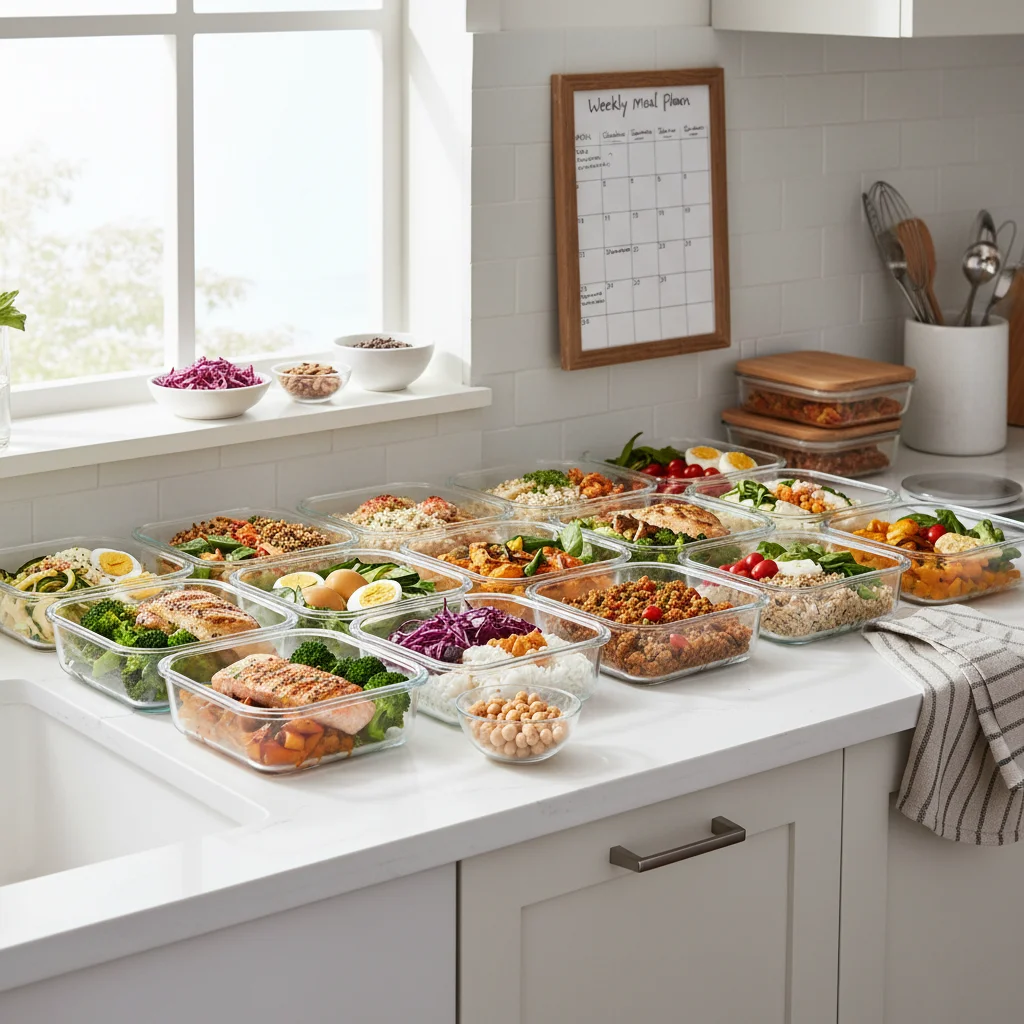
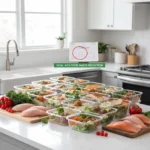
Dedicate a few hours one day a week (e.g., Sunday) to chop vegetables, cook grains, and prepare components of your meals. This saves time during busy weekdays and makes healthy eating more accessible, reducing the temptation for expensive alternatives. For example, cook a large batch of quinoa or brown rice, roast a tray of vegetables, and grill some chicken breasts. These can then be mixed and matched throughout the week.
Mastering Bulk Buying: Smart Strategies to Cut Grocery Bill Further
Bulk buying, when done intelligently, is another powerful tool to cut grocery bill expenses significantly. However, it requires careful planning to avoid waste and ensure true savings.
What to Buy in Bulk (and What Not To)
Not all items are suitable for bulk buying. Focus on non-perishable items with a long shelf life, or items you use frequently and can freeze or store properly.
Consider with Caution: Meat (only if you have freezer space and plan to use it), dairy (check expiration dates), fresh produce (only if you can consume it quickly or process it for freezing).
Avoid Bulk Buying: Highly perishable items you won’t use quickly, items with short expiration dates, items you don’t frequently use, or items that take up too much space if you lack storage.
Where to Buy in Bulk
Membership warehouses like Costco and Sam’s Club are obvious choices, but don’t overlook other options:
Discount Supermarkets: Often have large family-sized packs at competitive prices.
Ethnic Grocery Stores: Great for bulk spices, rice, and specialty ingredients at lower costs.
Online Retailers: Amazon, Thrive Market, and other online stores offer bulk options, especially for non-perishables.
Farmer’s Markets: Sometimes offer bulk discounts on seasonal produce, especially at the end of the day.
Calculating Unit Prices
This is paramount to smart bulk buying. Always compare the unit price (price per ounce, per pound, per count) rather than the total price. A larger package isn’t always cheaper per unit. Use your phone’s calculator if needed. This simple step ensures you’re truly getting a deal and helps you cut grocery bill expenditures.
Storage Solutions for Bulk Items
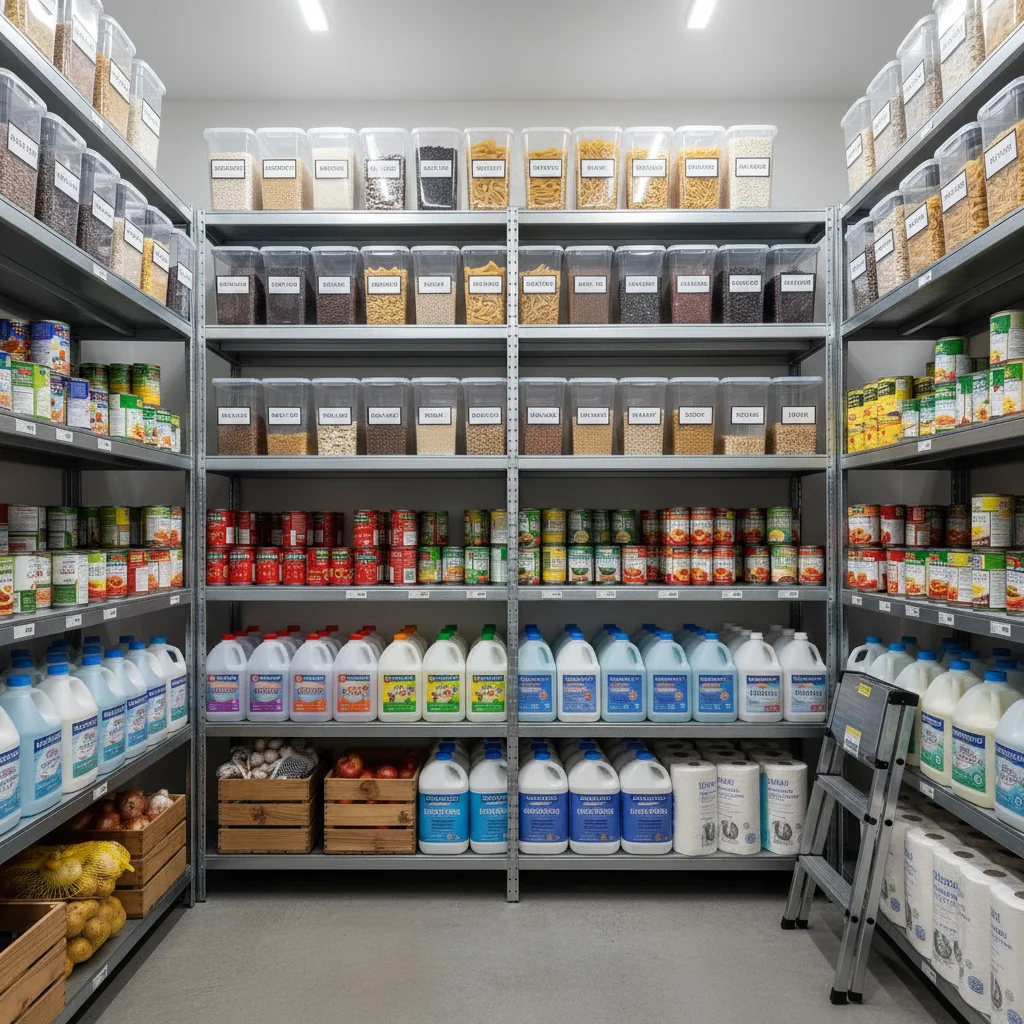
If you’re buying in bulk, you need proper storage. Invest in airtight containers (glass or BPA-free plastic) for dry goods to protect against pests and maintain freshness. Understand how to properly freeze meats, bread, and even some dairy products. An organized pantry and freezer are essential for maximizing your bulk purchases and preventing waste.
Advanced Strategies for Even Greater Grocery Savings
Once you’ve mastered meal planning and bulk buying, incorporate these advanced tactics to push your savings past the 30% mark and truly cut your grocery bill.
Utilize Grocery Store Apps and Loyalty Programs
Most major supermarkets have apps that offer digital coupons, personalized discounts, and loyalty points. These can add up to significant savings. Make it a habit to check the app before every shopping trip.
Embrace Store Brands and Generic Products
Often, store brand products are manufactured in the same factories as name brands but sold at a fraction of the cost. For many staples, the quality difference is negligible. Experiment to find your favorite generic alternatives. This is an easy way to cut grocery bill spending without much effort.
Shop with a Full Stomach
Never go grocery shopping when you’re hungry. Hunger often leads to impulse purchases and buying more than you need, sabotaging your efforts to cut grocery bill expenses.
Cook More at Home from Scratch
Convenience foods, pre-cut vegetables, and ready-made meals are significantly more expensive than cooking from scratch. Learning basic cooking skills and dedicating time to prepare your own meals will yield immense savings. This includes making your own coffee, packing lunches, and preparing snacks instead of buying them out.
Reduce Meat Consumption
Meat, especially certain cuts, can be one of the most expensive components of a grocery bill. Incorporating more plant-based meals (lentils, beans, tofu) or opting for cheaper cuts of meat can dramatically reduce your costs. Try a ‘Meatless Monday’ or aim for a few vegetarian meals each week.
Grow Your Own Herbs and Vegetables
Even a small herb garden on a windowsill can save you money on fresh herbs, which are often pricey. If you have space, consider growing some of your own vegetables. This provides fresh, organic produce and reduces your reliance on the grocery store.
Understand Unit Pricing and Sales Cycles
Beyond just comparing unit prices, understand that many items go on sale in predictable cycles (e.g., every 6-8 weeks). If you know a staple item will be deeply discounted soon, you can plan to stock up during that sale, further maximizing your savings and ensuring you always cut your grocery bill.
Minimize Food Waste
Food waste is literally throwing money away. Strategies like proper food storage, understanding ‘best by’ vs. ‘use by’ dates, repurposing leftovers, and composting can significantly reduce the amount of food you discard. The less you waste, the more you effectively cut your grocery bill.
Overcoming Challenges and Staying Motivated
Changing long-standing habits can be challenging, but the financial rewards of learning to cut your grocery bill are well worth the effort.
Start Small
Don’t try to implement every strategy at once. Start with one or two changes, like consistent meal planning or tracking your spending. Once those become habits, add more strategies.
Be Flexible
Life happens. Sometimes your meal plan will go awry. Don’t get discouraged. Adjust, learn from it, and get back on track. Flexibility is key to long-term success in your quest to cut your grocery bill.
Celebrate Your Wins
Track your savings! Seeing the numbers add up can be incredibly motivating. Use the money you save to pay down debt, build an emergency fund, or treat yourself to something special.
Educate Yourself and Your Family
Involve your family in the meal planning process and explain the benefits of these strategies. When everyone is on board, it’s much easier to stick to your goals and cut your grocery bill as a team.
Stay Informed About Market Trends
Keep an eye on food price trends in the US. Understanding what commodities are rising or falling in price can help you adjust your meal plans and bulk buying strategies accordingly. For example, if beef prices are soaring, you might focus more on poultry or plant-based proteins for a period.
Case Study: The Johnson Family’s Journey to Cut Grocery Bill by 30%
Let’s consider the hypothetical Johnson family, a family of four living in suburban Ohio. Prior to 2026, they were spending an average of $1,200 per month on groceries and dining out. They felt the strain on their budget and decided it was time to make a change, aiming to cut their grocery bill by 30%.
Initial Assessment (Month 1)
The Johnsons tracked their spending diligently. They discovered about $800 was going to groceries, and $400 to takeout, coffee, and spontaneous restaurant meals. They also noticed significant food waste, especially fresh produce that spoiled before being used.
Implementing Meal Planning (Month 2-3)
They started by creating a weekly meal plan based on sales flyers. They cooked larger batches of staples like rice and roasted vegetables on Sundays. Their grocery spending dropped to $650, and their takeout budget reduced to $250. Savings: $300/month.
Integrating Bulk Buying (Month 4-6)
After getting comfortable with meal planning, they joined a warehouse club. They began buying non-perishables like rice, pasta, canned goods, and frozen chicken breasts in bulk, carefully calculating unit prices. They invested in some airtight containers for storage. Their grocery bill for core items further decreased, even though initial bulk purchases were larger. Their monthly grocery expenditure settled around $550, and their eating-out budget was now $150, primarily for planned social outings. Total savings: $500/month.
The Johnsons then focused on using store brands for most items, utilizing digital coupons, and reducing their meat consumption to 3-4 times a week. They also became adept at transforming leftovers into new meals. Their average monthly food spending (groceries + eating out) now hovers around $700, down from $1,200. This represents a 41% reduction, exceeding their initial goal to cut grocery bill by 30%.
The Johnson family’s success story demonstrates that with consistent effort and strategic application of meal planning and bulk buying, it is entirely possible to make a substantial impact on your food budget.
Conclusion: Your Path to a 30% Lower Grocery Bill in 2026
The journey to cut your grocery bill by 30% in 2026 is an empowering one. It’s about taking control of your finances, reducing waste, and making healthier choices. By consistently applying the principles of strategic meal planning and intelligent bulk buying, you will see a tangible difference in your household budget.
Remember, this isn’t about extreme couponing or sacrificing your favorite foods. It’s about smart, conscious consumption. It’s about understanding the value of your dollar and making informed decisions at every step of the grocery process, from planning to purchase to plate.
Start today. Track your spending, plan your meals, and buy in bulk wisely. You have the power to transform your grocery habits and significantly improve your financial well-being. The 30% savings are within your reach. Happy saving!
Matheus Neiva has a degree in Communication and a specialization in Digital Marketing. Working as a writer, he dedicates himself to researching and creating informative content, always seeking to convey information clearly and accurately to the public.