Optimize Grocery Spending: 15% Savings with Digital Coupons in 2026
Learn how to optimize grocery spending by a significant 15% in just three months using the power of digital coupons. This guide provides actionable strategies, app recommendations, and budgeting tips for 2026 to maximize your savings.
By: Matheus Neiva on November 13, 2026
Optimize Grocery Spending: 15% Savings with Digital Coupons in 2026
In an era where every penny counts, mastering the art of grocery shopping has become more crucial than ever. The rising cost of living continues to challenge household budgets, making it imperative for consumers to seek innovative ways to cut down on expenses without compromising on quality or nutrition. This comprehensive guide delves into the latest 3-month trend that promises to help you optimize grocery spending by an impressive 15% using the power of digital coupons in 2026. Forget the days of clipping paper coupons; the future of savings is digital, smart, and incredibly efficient.
For many, grocery shopping is a significant portion of their monthly expenditure. It’s a recurring, often unavoidable cost that can quickly spiral out of control if not managed effectively. The good news is that with the right strategies and a bit of digital savvy, you can significantly reduce your grocery bill. Our focus today is on leveraging digital coupons – a powerful, yet often underutilized, tool in the modern consumer’s arsenal. We’ll explore how this trend has evolved, why it’s so effective, and most importantly, how you can implement it to achieve substantial savings within a mere three months.
The goal is not just to save money, but to cultivate smarter shopping habits that contribute to long-term financial well-being. By the end of this article, you’ll have a clear roadmap to navigate the world of digital coupons, understand the best practices for maximizing their value, and ultimately, transform your grocery shopping experience into a strategic savings mission. Let’s embark on this journey to optimize grocery spending and unlock significant savings for your household.
Understanding the 3-Month Trend: Why Digital Coupons are Key
The shift from physical to digital coupons has been a gradual but definitive one. In 2026, digital platforms have become the dominant force, offering unparalleled convenience and a wider array of deals. This 3-month trend isn’t just about using a few coupons here and there; it’s about a systematic approach to integrating digital coupon usage into your regular shopping routine to consistently optimize grocery spending. The reason this trend is so effective lies in several factors:
Accessibility: Digital coupons are readily available through supermarket apps, dedicated coupon apps, and even directly on brand websites. This means no more sifting through newspapers or forgetting your coupon binder at home.
Personalization: Many digital platforms use AI to offer personalized coupons based on your purchase history. This means you’re more likely to receive discounts on items you actually buy, increasing the relevance and utility of the coupons.
Stackability: In some instances, digital coupons can be stacked with other promotions or loyalty program discounts, leading to even greater savings. Understanding when and how to stack is a crucial part of maximizing your savings.
Real-time Updates: Digital coupons are often updated frequently, sometimes daily. This means a constant stream of new opportunities to save, allowing for flexible shopping and meal planning around current deals.
Environmental Impact: Reducing paper waste is an added benefit, contributing to a more sustainable shopping practice.
The 3-month window provides enough time to establish new habits, track your savings, and see a tangible impact on your budget. It’s a period of learning, adapting, and refining your strategy to consistently optimize grocery spending. By focusing on this timeframe, you can observe the cumulative effect of digital couponing and adjust your approach for even greater efficiency.
Building Your Digital Coupon Arsenal: Essential Apps and Platforms
To effectively optimize grocery spending with digital coupons, you need the right tools. The market is flooded with apps and platforms, but some stand out for their user-friendliness, extensive coupon selection, and integration with major retailers. Here are some of the top contenders you should consider incorporating into your savings strategy for 2026:
Supermarket-Specific Apps
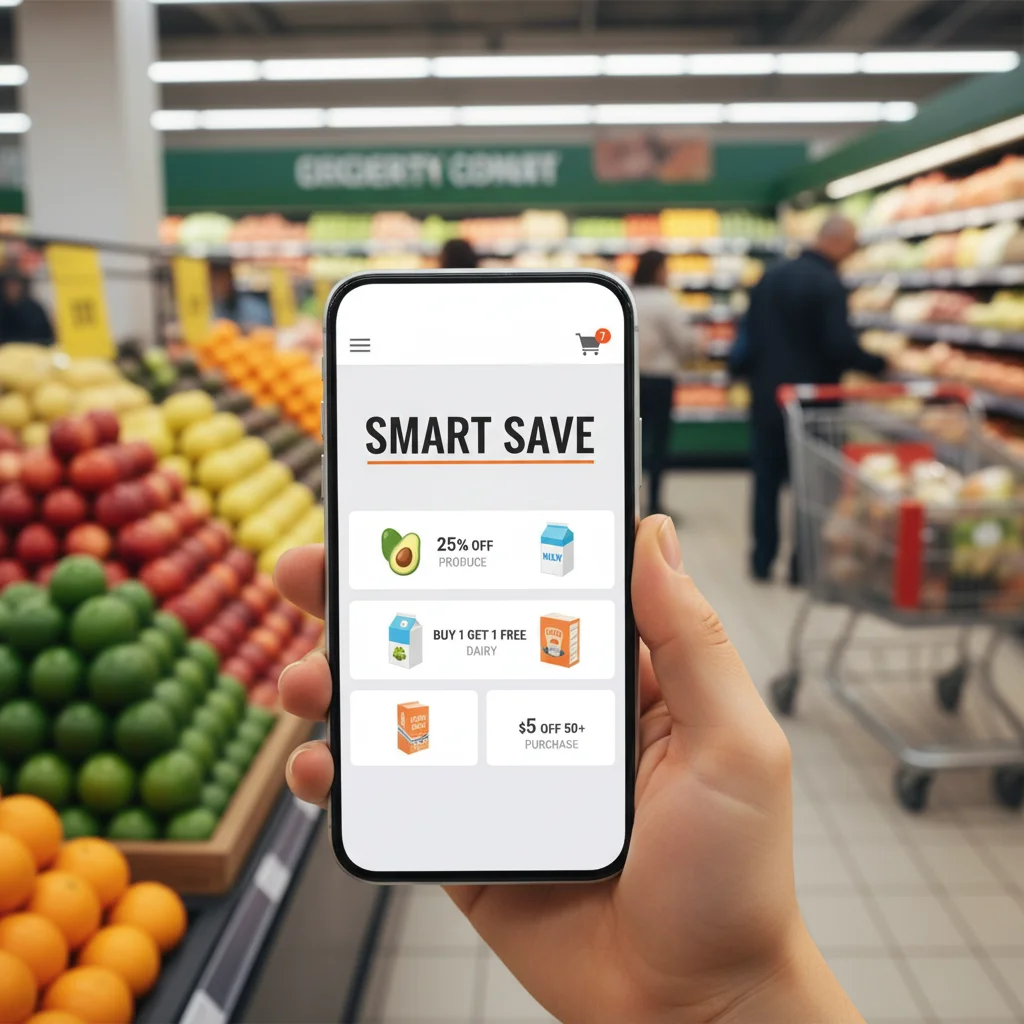
Most major grocery chains now have their own dedicated apps that offer exclusive digital coupons, personalized deals, and loyalty program integration. Examples include:
Kroger App: Known for its ‘Clip Digital Coupons’ feature and fuel points. Users can easily browse, clip, and redeem coupons directly from their phone.
Safeway/Albertsons Just For U: Offers personalized deals based on shopping habits, along with digital coupons and gas rewards.
Walmart App: While not exclusively for coupons, it often has digital offers, price matching features, and convenient pickup/delivery options that can indirectly contribute to savings.
Target Circle: Provides personalized deals, a 1% earning on purchases to redeem later, and birthday rewards. Look for ‘Offers’ within the app.
The key here is to download the apps for the stores you frequent most. Link your loyalty card to these apps to ensure all available digital coupons and personalized offers are applied automatically at checkout.
Third-Party Coupon Apps and Websites
Beyond individual store apps, several platforms aggregate digital coupons from various brands and retailers, providing a broader spectrum of savings opportunities. These are crucial to further optimize grocery spending.
Ibotta: A popular cashback app that allows you to earn money back on everyday purchases, including groceries. You activate offers in the app, shop as usual, and then scan your receipt to get cashback. It often has ‘any brand’ offers which are incredibly versatile.
Fetch Rewards: Similar to Ibotta, Fetch Rewards gives you points for scanning any grocery receipt, which can then be redeemed for gift cards. It partners with hundreds of brands, making it easy to earn points on items you already buy.
Coupons.com (now part of Quotient Technology): Still a powerhouse for printable and digital coupons. While the digital aspect is gaining traction, it’s a reliable source for a wide range of product discounts.
RetailMeNot: While more known for online retail codes, RetailMeNot also features grocery deals and printable coupons that can sometimes be used in-store.
Flipp: This app digitizes weekly ads from thousands of retailers, allowing you to browse circulars and ‘clip’ digital coupons directly from them. It’s excellent for price matching and planning your shopping list around sales.
Integrating these apps into your routine means you’re not just relying on one source for savings. A multi-pronged approach ensures you catch the best deals from multiple angles, significantly boosting your ability to optimize grocery spending.
Strategic Meal Planning: The Foundation of Savings
While digital coupons are powerful, their effectiveness is amplified when combined with strategic meal planning. This is where the real magic happens in your quest to optimize grocery spending. A well-thought-out meal plan reduces impulse buys, minimizes food waste, and ensures you’re only purchasing what you need.
Step-by-Step Meal Planning for Coupon Users:
Review Current Sales and Coupons: Before anything else, check all your supermarket apps and third-party coupon apps for the latest deals. What items are heavily discounted this week? What digital coupons are available for products you regularly use or want to try?
Plan Meals Around Sales: Instead of deciding on meals and then looking for coupons, reverse the process. Let the sales and coupons dictate your meal plan. If chicken is on a great sale and you have a digital coupon for a specific brand, plan a few chicken dishes for the week.
Check Your Pantry and Fridge: Before heading to the store, take inventory of what you already have. This prevents duplicate purchases and helps you utilize ingredients before they expire. Incorporate these existing items into your meal plan.
Create a Detailed Shopping List: Based on your meal plan and pantry inventory, create a precise shopping list. Categorize items by aisle to make your in-store experience efficient and reduce the likelihood of impulse purchases. Ensure you’ve ‘clipped’ all relevant digital coupons to your loyalty card or app.
Account for Leftovers: Plan for meals that can produce leftovers, which can serve as lunch the next day or another dinner. This stretches your ingredients further and reduces the need for additional cooking.
Maximizing Digital Coupon Value: Advanced Strategies
To truly optimize grocery spending by 15% or more, you need to move beyond basic coupon clipping and embrace advanced strategies. These tactics will help you squeeze every last drop of savings from your digital coupon arsenal.
Coupon Stacking
This is the holy grail of couponing. Coupon stacking involves combining multiple discounts on a single item. In the digital realm, this often means:
Store Digital Coupon + Manufacturer Digital Coupon: Some store apps allow you to load both a store-specific digital coupon and a manufacturer’s digital coupon for the same product. Always read the fine print, but when possible, this can lead to significant savings.
Digital Coupon + Loyalty Program Discount: Many digital coupons can be used in conjunction with your store’s loyalty program pricing, which already offers discounted rates to members.
Digital Coupon + Cashback App Offer: Use a digital coupon at checkout, and then submit your receipt to a cashback app like Ibotta or Fetch Rewards for additional savings on the same item. This is a highly effective way to double-dip on discounts.
Price Matching and Ad Matching
Many stores offer price matching policies, where they will match a competitor’s advertised price. Use apps like Flipp to quickly compare weekly ads from various stores in your area. If a store you prefer to shop at offers price matching, you can get the best deals without having to visit multiple locations. Combine this with digital coupons for an even greater impact on your goal to optimize grocery spending.
Understanding Coupon Expiry and Usage Limits
Digital coupons often have strict expiry dates and sometimes usage limits (e.g., ‘limit one per transaction’ or ‘limit five per household’). Keep track of these details to avoid disappointment at checkout. Many apps will show you the expiry date directly on the coupon. Plan your shopping trips accordingly to utilize coupons before they expire.
Stockpiling Smartly
When you find an item you regularly use at a rock-bottom price thanks to a digital coupon, consider buying more than one – but only if it’s non-perishable or can be frozen, and if you have the storage space. Stockpiling can significantly reduce your long-term grocery costs by allowing you to buy at the lowest price point, rather than paying full price when you run out. However, avoid excessive stockpiling, which can lead to waste and clutter. The goal is to optimize grocery spending, not to become a hoarder.
Tracking Your Savings: The 3-Month Challenge
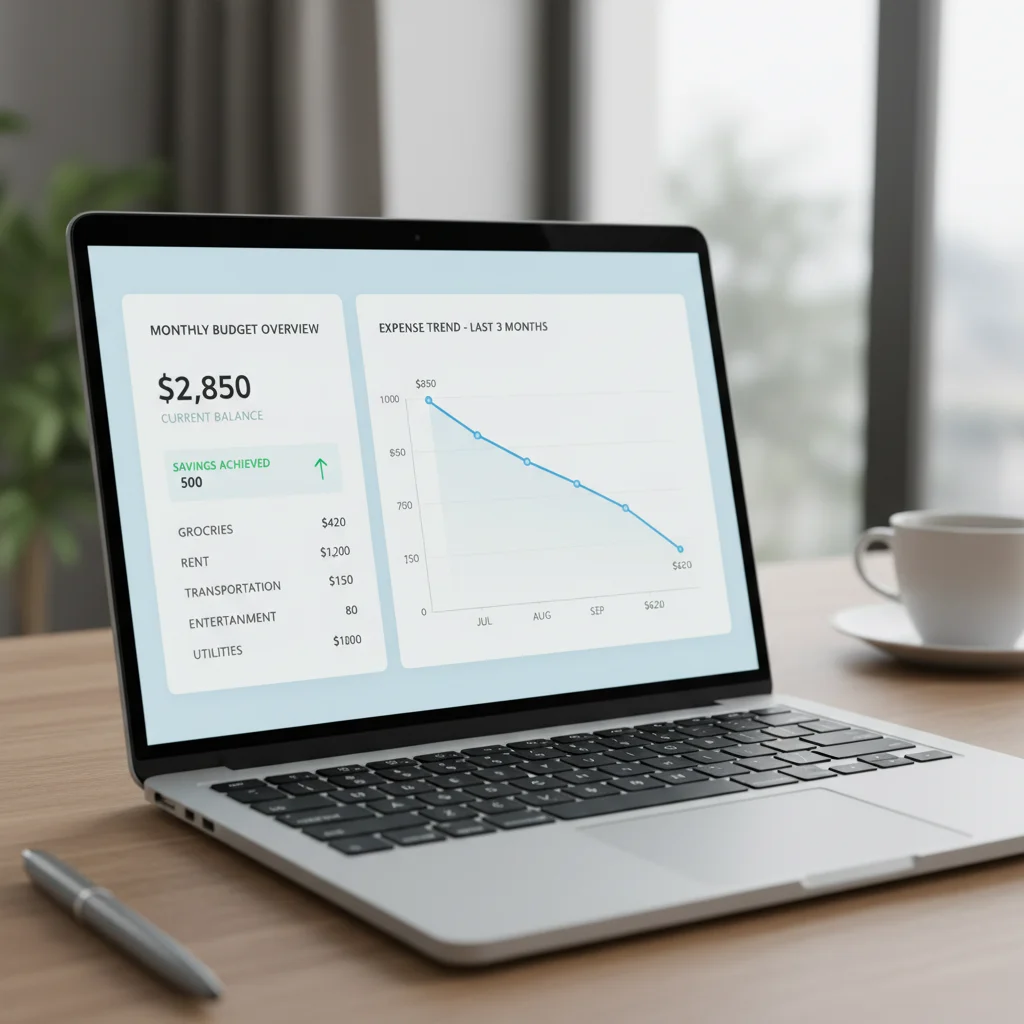
The 3-month trend to optimize grocery spending by 15% isn’t just about implementing strategies; it’s also about tracking your progress. Seeing tangible results is a powerful motivator and allows you to refine your approach. Here’s how to effectively track your savings:
Month 1: Baseline and Initial Implementation
Establish a Baseline: For the first month, meticulously track your total grocery spending. This will be your benchmark. Keep all receipts or use a budgeting app to log every grocery purchase.
Begin Digital Couponing: Start by consistently using supermarket apps for your primary store(s) and one or two third-party cashback apps (e.g., Ibotta, Fetch Rewards). Focus on clipping coupons for items you already buy.
Track Coupon Savings: Many store apps will show your ‘total savings’ at the bottom of your receipt. For cashback apps, the savings are clearly displayed within the app. Keep a running tally.
Refine Meal Planning: Start incorporating meal planning around sales and coupons, but don’t stress about perfection. The goal is to get comfortable with the process.
Month 2: Expansion and Optimization
Expand Your Arsenal: Introduce more third-party apps or explore new supermarket apps if you shop at multiple stores. Look for opportunities for coupon stacking.
Aggressive Meal Planning: Fully commit to planning meals primarily based on sales and coupon availability. This is where you’ll start to see bigger shifts in your spending.
Track Net Spending: Compare your current month’s total grocery bill against your baseline. You should start seeing a noticeable reduction. Calculate the percentage saved.
Identify High-Saving Categories: Which categories (e.g., dairy, produce, frozen foods) are yielding the most savings through coupons? Focus more attention there.
Month 3: Refinement and Achieving the 15% Goal
Master Advanced Strategies: By month three, you should be comfortable with coupon stacking, price matching (if applicable), and smart stockpiling. Use these strategies consistently.
Analyze and Adjust: Review your spending and savings from the previous two months. Where can you improve? Are there apps you’re not utilizing enough? Are you missing out on specific types of coupons?
Hit Your Target: Aim to achieve and ideally exceed the 15% savings target. By this point, your digital couponing and meal planning habits should be well-established, making consistent savings achievable.
Long-Term Integration: Plan how to maintain these habits beyond the three months to ensure sustained savings.
Common Pitfalls to Avoid When Using Digital Coupons
While digital coupons offer immense savings potential, there are common traps that can hinder your efforts to optimize grocery spending. Being aware of these can help you navigate the process more effectively:
Buying Unnecessary Items: The biggest pitfall is buying something just because it’s on sale or you have a coupon for it. If you don’t need it, won’t use it, or it doesn’t fit your meal plan, it’s not a saving – it’s an expense. Stick to your list.
Overstocking Perishables: While stockpiling non-perishables is smart, buying too many perishable items (like fresh produce or dairy) just because they’re cheap can lead to food waste, negating any savings.
Forgetting to Clip/Activate Coupons: Digital coupons often require an extra step of ‘clipping’ or ‘activating’ them in the app before you shop. Forgetting this step means you miss out on the discount at checkout.
Not Checking Expiry Dates: Digital coupons have expiry dates. Make sure you use them before they become invalid, especially for time-sensitive deals.
Ignoring Store Brand Alternatives: Sometimes, the store brand equivalent of an item might be cheaper even without a coupon than a name-brand item with a coupon. Always compare unit prices to ensure you’re getting the best deal.
Spending More Time Than It’s Worth: While saving money is important, your time is also valuable. Find a balance where the effort of couponing doesn’t outweigh the savings. Focus on high-value coupons and consistent use rather than extreme couponing that takes hours.
Looking Ahead: The Future of Grocery Savings in 2026 and Beyond
The landscape of grocery shopping and savings is constantly evolving. In 2026, we’re seeing advanced AI integration in personalized offers, more seamless integration between payment systems and coupon redemption, and an increasing emphasis on sustainable shopping. As you continue to optimize grocery spending, stay informed about these emerging trends:
AI-Powered Personalization: Expect even more sophisticated algorithms that predict your needs and offer hyper-personalized deals, making couponing even more relevant and effortless.
Subscription-Based Savings: Some retailers may offer premium subscription services that provide enhanced discounts or early access to deals, similar to Amazon Prime for general shopping.
Gamification of Savings: Apps might introduce more game-like features, challenges, and rewards to encourage consistent coupon usage and engagement.
Smart Home Integration: Imagine your smart fridge suggesting recipes based on discounted ingredients and automatically adding digital coupons to your shopping list.
Increased Focus on Fresh and Local: As consumers become more health-conscious, expect digital coupons to extend more frequently to fresh produce and locally sourced items, not just packaged goods.
By staying adaptable and embracing technological advancements, you can ensure your grocery savings strategy remains effective and continues to help you optimize grocery spending for years to come.
Conclusion: Your Path to 15% Grocery Savings
Achieving a 15% reduction in your grocery spending within three months using digital coupons in 2026 is not just an ambitious goal; it’s an entirely attainable one. By systematically adopting the strategies outlined in this guide – building a robust digital coupon arsenal, integrating strategic meal planning, mastering advanced couponing techniques, and diligently tracking your progress – you can transform your grocery budget.
Remember, consistency is key. Make digital couponing a regular part of your weekly routine, just like creating your shopping list. Be patient with yourself as you learn and adapt, and don’t be discouraged by occasional missed deals. Every saved dollar contributes to your financial well-being.
Start today by downloading a few key apps, planning your next week’s meals around current sales, and committing to the 3-month challenge. You’ll not only optimize grocery spending but also gain a sense of control over your finances and enjoy the satisfaction of being a truly smart shopper. Happy saving!
Matheus Neiva has a degree in Communication and a specialization in Digital Marketing. Working as a writer, he dedicates himself to researching and creating informative content, always seeking to convey information clearly and accurately to the public.