Cut Grocery Bill 30%: Frugal Living Meal Planning 2026
Learn how to significantly reduce your grocery expenses by 30% in 2026 through strategic frugal living and efficient meal planning. This guide covers smart shopping, budget-friendly recipes, and practical tips to save money on food.
By: Matheus Neiva on November 18, 2026
Cutting Your Grocery Bill by 30% in 2026: Frugal Living Meal Planning Strategies
Are you tired of seeing your hard-earned money disappear at the grocery store checkout? In an era where food prices seem to climb relentlessly, mastering the art of frugal living meal planning isn’t just a smart move; it’s a financial imperative. Imagine slicing a significant 30% off your grocery bill by 2026 – that’s not just a dream, it’s an achievable goal with the right strategies. This comprehensive guide will equip you with the knowledge and actionable steps to transform your shopping habits, reduce food waste, and embrace budget-friendly cooking without sacrificing flavor or nutrition. We’ll delve deep into the principles of effective frugal meal planning, helping you navigate the aisles like a seasoned pro and keep more money in your pocket.
The journey to a 30% reduction in your grocery expenses begins with a mindset shift. It’s about intentionality, foresight, and a willingness to adapt. Forget last-minute impulse buys and forgotten produce wilting in the fridge. Our focus will be on proactive planning, smart purchasing, and creative cooking that maximizes every ingredient. By the end of this article, you’ll have a robust toolkit for sustainable savings, paving the way for a more secure financial future.
Understanding Your Current Spending: The First Step to Frugal Meal Planning
Before you can cut your grocery bill, you need to know exactly where your money is going. This initial audit is crucial for effective frugal meal planning. For one month, meticulously track every single food-related expense. This includes groceries, takeout, coffee runs, and restaurant meals. Use an app, a spreadsheet, or even a simple notebook. The goal is to get a clear, unfiltered picture of your current habits.
Analyzing Your Food Spending Habits
Once you have your data, categorize your spending. How much goes to fresh produce, meat, dairy, pantry staples, snacks, and convenience foods? Are there recurring purchases that are unnecessarily expensive? Do you frequently order delivery when you have food at home? This analysis will reveal your biggest spending leaks and highlight areas where you can make the most significant impact on your grocery bill.
Many people are shocked to discover how much they spend on impulse buys or highly processed items. Identifying these patterns is the bedrock of successful frugal meal planning. It helps you understand your weaknesses and develop strategies to counteract them.
The Core Principles of Effective Frugal Meal Planning
At its heart, frugal meal planning is about efficiency and foresight. It’s not about deprivation, but about making smarter choices that align with your financial goals. Here are the foundational principles:
Plan Ahead: This is non-negotiable. A well-thought-out meal plan for the week (or even two weeks) is your roadmap to savings.
Shop Smart: Utilize sales, coupons, and loyalty programs. Understand unit pricing and buy in bulk strategically.
Cook from Scratch: Minimize reliance on pre-made meals and processed foods, which are almost always more expensive.
Reduce Food Waste: Every scrap of food thrown away is money wasted. Learn to use leftovers creatively and properly store ingredients.
Embrace Flexibility: While planning is key, be prepared to adapt your plan based on sales or what you already have on hand.
By integrating these principles into your routine, you’ll start to see a noticeable difference in your grocery spending. This holistic approach ensures that every aspect of your food journey is optimized for savings.
Strategic Meal Planning: Your Weekly Blueprint for Savings
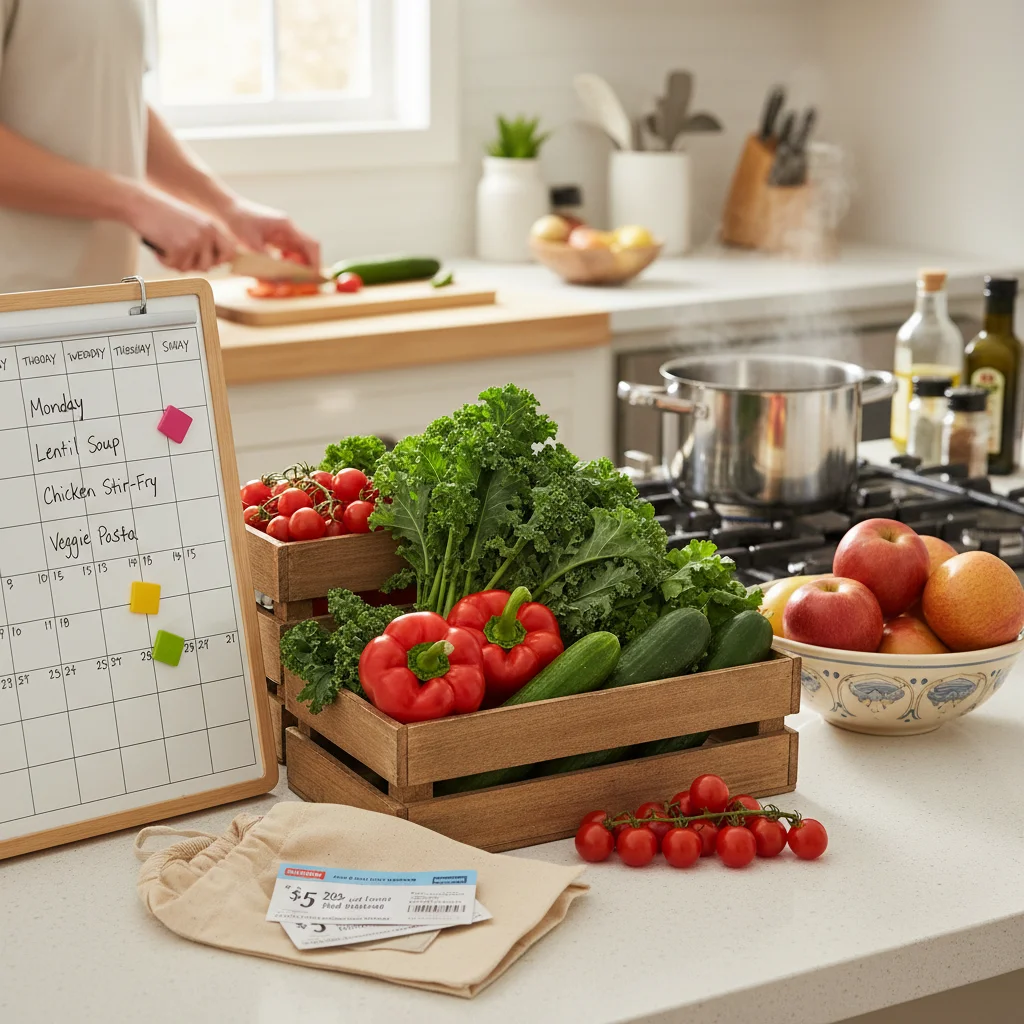
The most powerful tool in your frugal meal planning arsenal is the weekly meal plan. This isn’t just about deciding what to eat; it’s about optimizing your shopping list, minimizing waste, and leveraging ingredients.
Step-by-Step Guide to Weekly Meal Planning
Inventory Your Pantry, Fridge, and Freezer: Before you even think about new recipes, know what you already have. This prevents duplicate purchases and ensures you use up ingredients before they spoil.
Check Weekly Sales Flyers: Look at what’s on sale at your preferred grocery stores. Build your meal plan around these discounted items, especially produce and proteins.
Choose Recipes: Select recipes that utilize ingredients you already have or those that are on sale. Prioritize recipes that share common ingredients to minimize variety and waste (e.g., using half a head of cabbage in one meal and the other half in another).
Plan for Leftovers: Cook larger batches of certain meals to provide lunches for the next day or quick dinners later in the week. This is a cornerstone of efficient frugal meal planning.
Assign Meals to Days: Create a schedule. This helps with grocery list generation and ensures you have a plan for every meal.
Create Your Shopping List: Based on your meal plan and pantry inventory, make a detailed list. Stick to it rigorously at the store.
Remember to include snacks and breakfast items in your plan. Don’t forget pantry staples you might be running low on, like rice, pasta, or spices. The more thorough your planning, the less likely you are to deviate from your budget.
Smart Shopping Strategies: Maximizing Your Dollar at the Store
Once your frugal meal planning is complete and your shopping list is ready, it’s time to hit the store. But even here, there are strategies to save money.
Before You Go: Preparation is Key
Eat Before You Shop: Never shop on an empty stomach. Hunger leads to impulse buys and deviations from your list.
Bring Your List (and Stick to It): Your meticulously created list is your shield against marketing ploys.
Carry Reusable Bags: Avoid bag fees and be eco-friendly.
Download Store Apps: Many stores offer digital coupons and personalized deals through their apps.
At the Store: Be a Savvy Shopper
Once inside, your mission is to execute your frugal meal planning strategy.
Compare Unit Prices: Don’t just look at the total price. Check the unit price (price per ounce, pound, etc.) to determine the true best value, especially for bulk items.
Shop the Perimeter First: This is typically where fresh produce, dairy, and meats are located – the healthiest and often most essential items.
Beware of End-Cap Displays: These are often designed to encourage impulse buys, not necessarily to offer the best deals.
Buy Store Brands: Generic or store-brand products are frequently just as good as name brands but at a fraction of the cost.
Utilize Manager’s Specials/Discount Bins: Look for items nearing their sell-by date that are heavily discounted. These are perfect for immediate consumption or freezing.
By being vigilant and informed, you can significantly reduce your grocery bill without feeling like you’re sacrificing quality. This diligent approach is integral to successful frugal meal planning.
Budget-Friendly Cooking: Turning Ingredients into Delicious Savings
Your frugal meal planning won’t be complete without mastering budget-friendly cooking techniques. This is where you transform affordable ingredients into nourishing and delicious meals.
Embrace Versatile & Affordable Ingredients
Legumes: Beans, lentils, and chickpeas are incredibly cheap, packed with protein and fiber, and versatile. They can replace meat in many dishes or extend meat-based meals.
Grains: Rice, pasta, oats, and barley are inexpensive staples that form the base of countless meals.
Seasonal Produce: Buying fruits and vegetables in season means they are fresher, tastier, and significantly cheaper.
Root Vegetables: Potatoes, carrots, onions, and sweet potatoes are long-lasting and economical.
Eggs: A fantastic source of protein and incredibly versatile for breakfast, lunch, or dinner.
Cooking Techniques for Savings
Batch Cooking: Dedicate a few hours one day a week to cook large quantities of staples (e.g., a big pot of rice, roasted vegetables, cooked chicken). This saves time and ensures you have components ready for quick meals throughout the week.
One-Pot/One-Pan Meals: Minimize cleanup and often use fewer ingredients, making them efficient and cost-effective.
Soups and Stews: Excellent for using up leftover vegetables, small amounts of meat, and pantry staples. They are hearty, comforting, and budget-friendly.
Repurposing Leftovers: Don’t just reheat; transform. Leftover roast chicken can become tacos, a salad topping, or part of a stir-fry. Cooked rice can become fried rice.
Making Your Own Basics: Instead of buying pre-shredded cheese, chopped vegetables, or salad dressing, make them yourself. The savings add up.
These cooking strategies are essential for translating your frugal meal planning into tangible savings. They empower you to create delicious meals within your budget.
Minimizing Food Waste: Every Scraps Counts
Food waste is a silent killer of grocery budgets. Reducing it is paramount to achieving your 30% savings goal. It’s not just about what you buy, but how you manage what you have.
Storage Solutions for Longevity
Proper Produce Storage: Learn the best way to store different fruits and vegetables to extend their shelf life. (e.g., refrigerate leafy greens, keep potatoes in a cool, dark place, store tomatoes at room temperature).
Air-Tight Containers: Invest in good quality containers to keep leftovers fresh and prevent spoilage.
Freezing: Your freezer is your best friend. Freeze excess produce, cooked meals, bread, and even dairy products before they go bad.
Creative Use of Scraps and Leftovers
Vegetable Scraps for Broth: Keep a bag in your freezer for vegetable ends, peels, and wilted greens. When it’s full, make a nutritious homemade vegetable broth.
Stale Bread: Turn it into croutons, breadcrumbs, or French toast.
Fruit Past Its Prime: Use overripe fruit for smoothies, baking, or homemade jams.
Leftover Meat/Poultry: Shred for sandwiches, tacos, stir-fries, or soups.
By being mindful of food waste, you not only save money but also contribute to a more sustainable lifestyle. This mindful approach is a cornerstone of effective frugal meal planning.
Advanced Frugal Strategies for Deeper Savings
Once you’ve mastered the basics of frugal meal planning, you can explore more advanced techniques to further deepen your savings.
Embracing Meatless Meals
Meat is often the most expensive component of a meal. Incorporating one or two meatless meals into your weekly frugal meal planning can significantly reduce your grocery bill. Legumes, eggs, and tofu are excellent, affordable protein sources.
Growing Your Own Herbs and Vegetables
Even a small herb garden on a windowsill can save you money on fresh herbs, which can be surprisingly expensive at the store. If you have space, consider growing some of your most frequently used vegetables. This provides fresh, organic produce at minimal cost.
Shopping at Different Stores
While sticking to one store for convenience is common, different stores excel in different areas. A discount grocer might be best for pantry staples, while a local market could offer better deals on seasonal produce. Splitting your shopping can maximize savings, but weigh this against the time and gas costs.
Buying in Bulk (Wisely)
Bulk buying can offer significant savings, but only if you use what you buy before it spoils. Consider bulk purchases for non-perishable items like rice, pasta, dried beans, and frozen vegetables. For perishables, ensure you have a plan to use or preserve them.
Making Your Own Snacks and Drinks
Pre-packaged snacks, sodas, and bottled water can quickly inflate your grocery bill. Making your own snacks (like popcorn, roasted nuts, or fruit slices) and drinking tap water can lead to substantial savings over time. This is a simple yet powerful aspect of frugal meal planning.
Overcoming Challenges in Frugal Meal Planning
Implementing a new frugal meal planning routine can come with its challenges. It’s important to anticipate these and have strategies to overcome them.
Time Constraints
Many people feel they don’t have enough time for meal planning or cooking from scratch. The solution lies in efficiency: batch cooking, choosing quick recipes, and making meal prep a habit. Even 30 minutes of planning on a Sunday can save hours during the week.
Picky Eaters
If you have picky eaters in your household, involve them in the meal planning process. Let them choose a meal or two from a pre-approved list of budget-friendly options. Gradual introduction of new ingredients and focusing on familiar flavors can also help.
Lack of Inspiration
It’s easy to fall into a rut with budget cooking. Seek inspiration from online food blogs, cookbooks, and social media groups dedicated to frugal eating. Experiment with new spices and cooking methods to keep things exciting.
Unexpected Events
Life happens. Sometimes a planned meal gets derailed. Have a few quick, easy, and budget-friendly backup meals in mind (e.g., pasta with canned sauce, scrambled eggs, quesadillas) that you can whip up using pantry staples.
Consistency is key. Don’t get discouraged by occasional slip-ups. Every effort you make towards frugal meal planning is a step in the right direction.
Measuring Your Success and Adjusting Your Frugal Meal Planning
To truly know if you’re hitting your 30% savings goal, you need to track your progress. Continue monitoring your grocery spending month-over-month. Compare your current spending to your baseline before you started implementing these strategies.
Review and Refine
At the end of each month, review your grocery budget. Did you meet your goals? Where did you overspend? What worked well, and what didn’t? Use these insights to adjust your frugal meal planning for the following month. Perhaps certain stores offered better deals than others, or a particular recipe was surprisingly expensive to make.
Celebrate your small victories. Every dollar saved is a testament to your hard work and commitment. The more you practice frugal meal planning, the more intuitive and effective it will become.
The Long-Term Benefits of Frugal Meal Planning
Beyond the immediate financial relief of a reduced grocery bill, embracing frugal meal planning offers a wealth of long-term benefits:
Improved Health: Cooking from scratch means you control the ingredients, leading to healthier, less processed meals.
Reduced Stress: Knowing what you’re eating each day eliminates the daily ‘what’s for dinner?’ dilemma, reducing decision fatigue.
Enhanced Cooking Skills: You’ll become a more confident and creative cook, capable of making delicious meals with simple ingredients.
Environmental Impact: Reducing food waste is a significant step towards a more sustainable lifestyle.
Financial Freedom: The money saved can be redirected towards other financial goals – paying off debt, building savings, investing, or enjoying experiences.
By 2026, consistent application of these strategies will not only have cut your grocery bill by 30% but also instilled habits that contribute to overall well-being and financial stability. It’s a journey of continuous learning and adaptation, but one that promises substantial rewards.
Conclusion: Your Path to a 30% Grocery Bill Reduction by 2026
Cutting your grocery bill by 30% in 2026 might seem like an ambitious target, but with diligent frugal meal planning and smart execution, it is entirely within reach. We’ve covered the essential steps: understanding your current spending, mastering strategic meal planning, employing smart shopping tactics, embracing budget-friendly cooking, and relentlessly minimizing food waste. Each of these components plays a vital role in your success.
Remember, this isn’t about extreme sacrifice; it’s about making conscious, informed choices that align with your financial goals. It’s about valuing your money and making every food dollar count. Start small, be consistent, and don’t be afraid to experiment. Over time, these habits will become second nature, transforming your relationship with food and your finances.
Begin your journey today towards a healthier budget and a more sustainable lifestyle. By actively engaging in frugal meal planning, you are not just saving money; you are investing in your future, one delicious, budget-friendly meal at a time. The year 2026 will be the year you look back and see the significant impact of these powerful strategies on your household budget.
Matheus Neiva has a degree in Communication and a specialization in Digital Marketing. Working as a writer, he dedicates himself to researching and creating informative content, always seeking to convey information clearly and accurately to the public.