Master Your Wardrobe: The ‘One-In, One-Out’ Rule for Sustainable Style
Discover the powerful 'one-in, one-out' rule for clothing to simplify your wardrobe, promote sustainable habits, and save money. Learn how to curate a mindful and stylish collection.
By: Matheus Neiva on July 15, 2026
Last updated on: July 31, 2026
Master Your Wardrobe: The ‘One-In, One-Out’ Rule for Sustainable Style
In a world increasingly driven by fast fashion and consumerism, our wardrobes often become overflowing repositories of clothes we rarely wear. The constant influx of new items, often purchased on impulse or to chase fleeting trends, leads to clutter, decision fatigue, and significant environmental impact. But what if there was a simple, yet profoundly effective, strategy to curb this cycle, maintain an organized closet, and even save money? Enter the ‘one-in, one-out’ clothing rule. This minimalist principle is not just a trend; it’s a powerful tool for mindful consumption and sustainable living that can revolutionize your relationship with your wardrobe.
The concept is deceptively simple: for every new item of clothing you bring into your life, one existing item must leave. This isn’t about deprivation or never buying new clothes again; it’s about intentionality and balance. By implementing the one-in, one-out clothing rule, you actively prevent clutter from accumulating, ensure every item in your closet serves a purpose, and foster a more sustainable approach to fashion. This comprehensive guide will delve deep into the ‘one-in, one-out’ philosophy, exploring its myriad benefits, practical application, and how it can help you cultivate a truly curated and functional wardrobe in 2026 and beyond.
Understanding the ‘One-In, One-Out’ Clothing Rule: More Than Just Decluttering
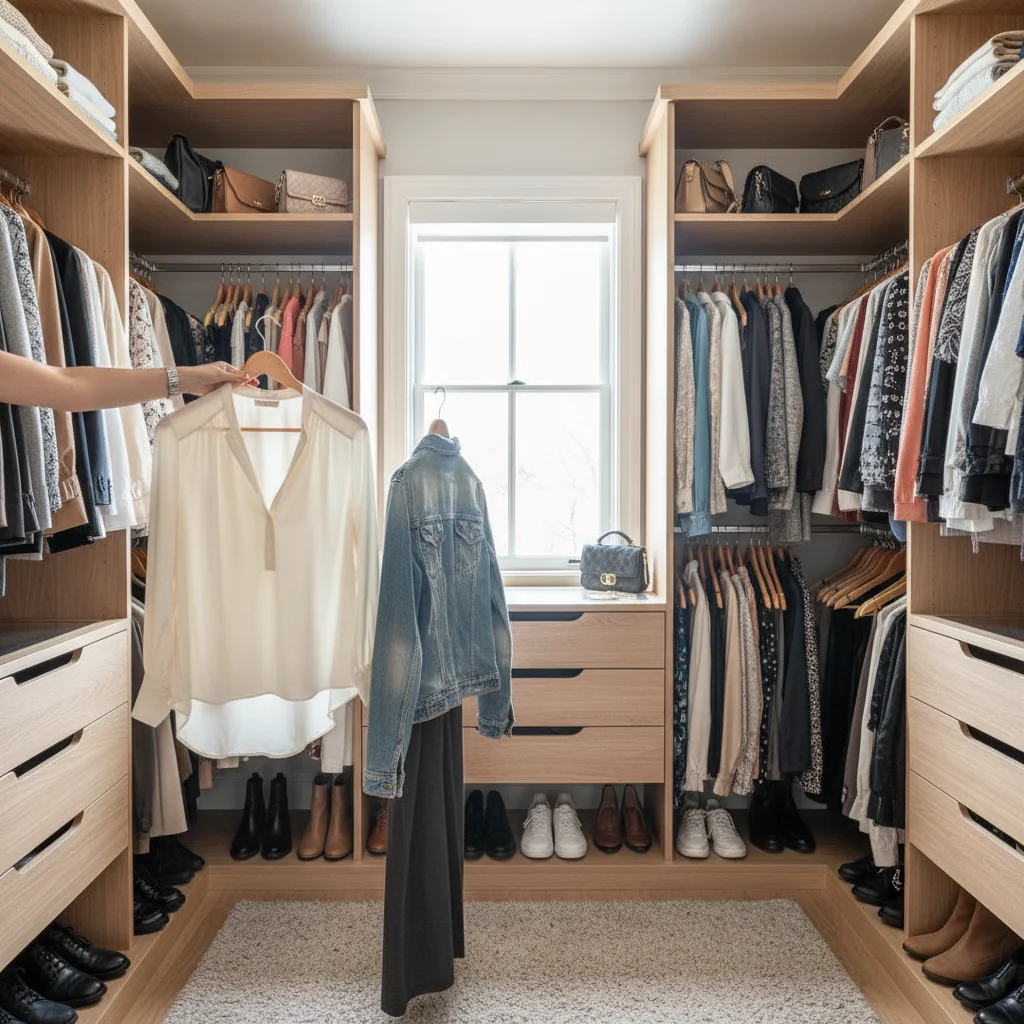
At its core, the one-in, one-out clothing rule is a commitment to maintaining a finite wardrobe size. It’s a practical framework that forces you to make conscious decisions about your purchases and your existing possessions. Imagine your closet as a carefully curated gallery; each piece is chosen for its beauty, utility, and ability to complement the collection. When you want to introduce a new piece, you must decide which existing piece is no longer serving its purpose or is being outshined by the newcomer. This isn’t just about making space; it’s about making thoughtful choices.
The Philosophy Behind the Rule
The ‘one-in, one-out’ rule is deeply rooted in principles of minimalism, sustainability, and intentional living. In a society that often equates more with better, this rule challenges us to appreciate quality over quantity. It encourages us to:
Combat Consumerism: By requiring a removal for every addition, the rule acts as a natural deterrent to impulse buying and excessive consumption. You’re forced to consider the true value and necessity of a new item before acquiring it.
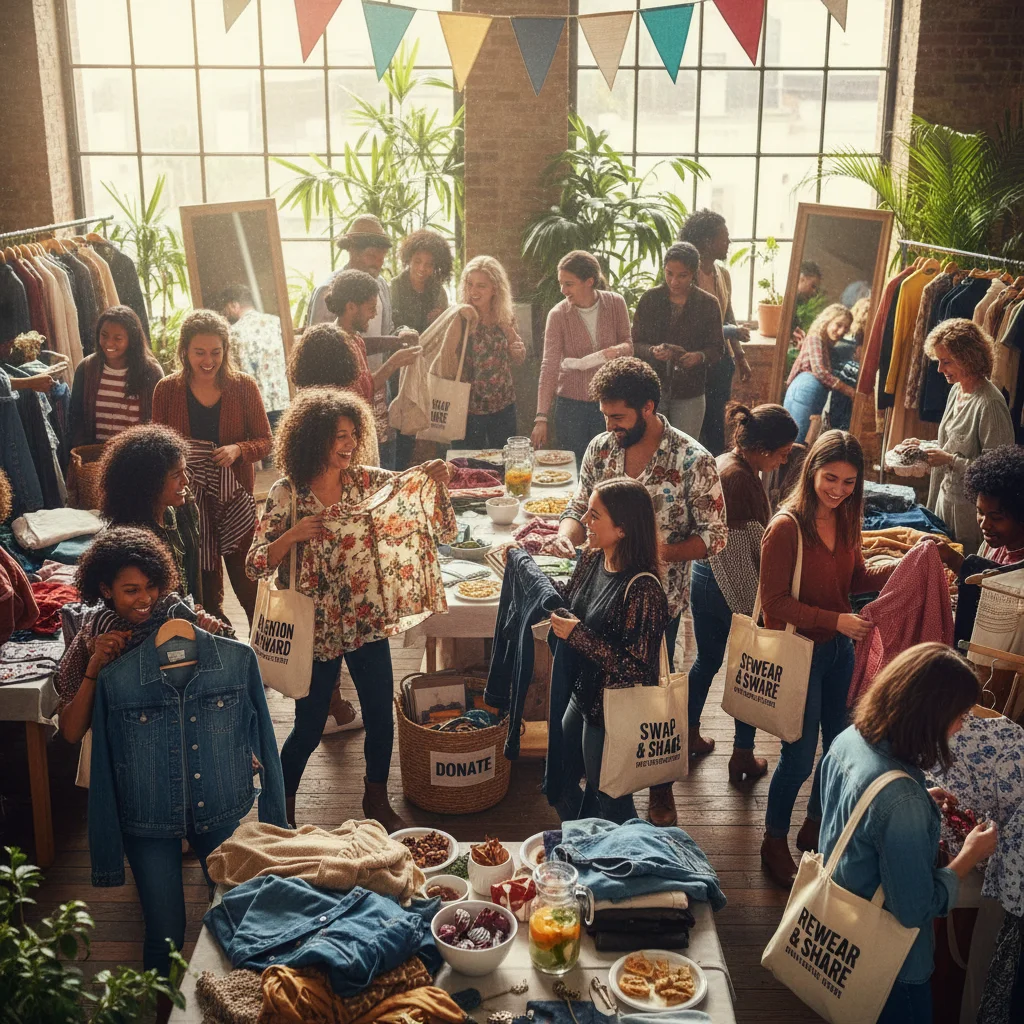
Reduce Waste: Fast fashion contributes significantly to landfill waste. By consciously letting go of items and, ideally, rehoming them through donation, resale, or recycling, you reduce your personal contribution to this problem.
Cultivate a Mindful Wardrobe: Every piece in your closet should be something you love and wear. The rule helps you actively prune items that no longer fit, flatter, or bring you joy, leaving you with a wardrobe of only beloved essentials.
Save Money: When you’re more intentional about purchases, you naturally spend less. The rule makes you question if a new item is truly worth sacrificing an old one, often leading to wiser financial decisions.
The Benefits of Embracing the ‘One-In, One-Out’ Clothing Strategy
Beyond the philosophical underpinnings, the practical advantages of adopting the one-in, one-out clothing rule are numerous and tangible, impacting your daily life, your finances, and even your peace of mind.
1. A Clutter-Free and Organized Closet
This is perhaps the most immediate and noticeable benefit. An overflowing closet can be a source of stress and frustration. With the ‘one-in, one-out’ rule, your wardrobe never reaches a point of unmanageable clutter. Every item has its place, and finding what you need becomes effortless. This saves time during your morning routine and reduces the mental load associated with a chaotic space.
2. Enhanced Personal Style and Confidence
When your wardrobe is streamlined, you’re left with only items that truly reflect your personal style and make you feel good. This curated collection makes it easier to put together outfits you love, boosting your confidence. You’ll spend less time staring blankly at a closet full of clothes you don’t want to wear and more time enjoying outfits that genuinely express who you are.
3. Financial Savings and Smarter Shopping Habits
The rule inherently encourages more deliberate purchasing. Before buying a new item, you’ll inevitably ask yourself: “What am I willing to let go of to make room for this?” This question often reveals that the impulse buy isn’t worth sacrificing a perfectly good existing item. This leads to fewer unnecessary purchases and more money saved. You’ll invest in higher-quality, versatile pieces that last longer, rather than cheap, disposable trends.
4. Environmental Impact and Sustainability
The fashion industry is one of the biggest polluters globally. By actively reducing the number of new items you acquire and thoughtfully rehoming the items you release, you contribute to a more sustainable fashion ecosystem. This reduces demand for new production, conserves resources, and lessens landfill waste. It’s a small change with a significant collective impact.
5. Reduced Decision Fatigue
Having too many choices, even in clothing, can be mentally exhausting. A smaller, more cohesive wardrobe simplifies decision-making. When every piece works well with others, and you genuinely like everything you own, choosing an outfit becomes a joyful process rather than a chore.
How to Effectively Implement the ‘One-In, One-Out’ Clothing Rule
Implementing the one-in, one-out clothing rule is straightforward, but consistency is key. Here’s a step-by-step guide to integrate this powerful strategy into your life:
Step 1: The Initial Wardrobe Audit (Optional, but Recommended)
While the rule can be applied immediately, a preliminary decluttering session can provide a clean slate. Go through your entire wardrobe and remove anything that:
Doesn’t fit.
Is damaged beyond repair.
You haven’t worn in over a year.
Doesn’t make you feel good.
Doesn’t align with your current style.
This initial purge will give you a baseline for your ideal wardrobe size and make the ‘one-in, one-out’ process smoother.
Step 2: Define Your ‘Out’ Strategy
Before you even think about bringing in a new item, decide how you will handle the ‘out’ item. Having a clear plan makes the process less daunting:
Donate: Local charities, shelters, or non-profits are excellent places for gently used clothing.
Resell: Online platforms (eBay, Poshmark, Depop, Vinted) or local consignment shops can give your clothes a second life and put some money back in your pocket.
Recycle: For items that are too worn or damaged to be donated or resold, look for textile recycling programs in your area. Many brands also offer in-store recycling bins.
Repurpose: Old t-shirts can become cleaning rags, denim can be upcycled into bags, or fabric scraps can be used for craft projects.
Step 3: The Moment of Truth – One In, One Out
This is where the rule truly comes into play. When you purchase a new item:
Immediately identify an existing item to remove. Don’t wait. Do it as soon as the new item enters your home.
Consider categories. While not strictly necessary, some people find it helpful to replace like-for-like (e.g., a new t-shirt means an old t-shirt leaves). However, you can also be flexible. If you buy a new dress, you might decide to let go of an old pair of jeans that you rarely wear. The goal is to maintain the overall size of your wardrobe.
Be ruthless but realistic. Ask yourself: “Does this new item genuinely improve my wardrobe, and is the outgoing item truly no longer serving me?”
Step 4: Be Consistent
The ‘one-in, one-out’ rule is most effective when applied consistently. It becomes a habit, a natural part of your shopping and wardrobe management. Don’t let new items sit in bags for weeks without making a decision about what goes out.
Advanced Tips for Mastering Your ‘One-In, One-Out’ Clothing Journey
Once you’ve got the basics down, you can refine your approach to the one-in, one-out clothing rule to maximize its benefits and tailor it to your unique lifestyle.
1. Establish a Holding Zone
Sometimes it’s hard to decide immediately what to get rid of. Create a designated “holding zone” – a box, a specific drawer, or a corner of your closet – for items that are candidates for removal. Give yourself a time limit (e.g., one month). If you haven’t worn or missed the item by then, it’s time for it to go.
2. Consider a Capsule Wardrobe Approach
The ‘one-in, one-out’ rule pairs beautifully with the concept of a capsule wardrobe. A capsule wardrobe is a limited collection of interchangeable clothing pieces that complement each other. By focusing on versatile items, you’ll naturally make more intentional purchases and find it easier to decide what to keep and what to release.
3. Track Your Wardrobe
For the truly dedicated, consider keeping a simple inventory of your clothes. This can be a spreadsheet or an app. Knowing exactly what you own can help you identify gaps, prevent duplicate purchases, and make the ‘one-in, one-out’ decision-making process more informed.
4. Prioritize Quality Over Quantity
When you know you have to let something go to make room for a new item, you’re more likely to invest in higher-quality pieces that will last longer and serve you better. This shift in mindset from fast fashion to timeless quality is a cornerstone of sustainable style.
5. Be Mindful of Gifts
Gifts can be tricky. If you receive a clothing item as a gift, treat it like any other new acquisition. If it doesn’t fit, doesn’t suit your style, or you simply won’t wear it, acknowledge the thought behind the gift, but apply the ‘one-in, one-out’ rule. This might mean letting go of something else to make room, or if the gifted item truly doesn’t work for you, finding a respectful way to rehome it without it entering your active wardrobe.
6. Don’t Forget Accessories and Shoes
While the focus is often on clothing, the one-in, one-out clothing rule can extend to accessories, shoes, and even bags. These items can also contribute to clutter and benefit from a mindful approach to acquisition and retention.
Common Challenges and How to Overcome Them
Even with the best intentions, implementing the ‘one-in, one-out’ rule can present a few hurdles. Here’s how to navigate them:
Challenge 1: Sentimental Value
We all have clothes with sentimental value – a concert t-shirt, a dress from a special occasion. It’s okay to keep a few truly meaningful items. However, be honest with yourself: is it genuinely sentimental, or are you just holding onto it out of guilt or “what if” scenarios? Consider creating a dedicated memory box for truly sentimental items that you don’t wear, freeing up closet space.
Challenge 2: The “What If I Need It Later?” Syndrome
This is a common fear. Most of the time, if you haven’t worn something in a year or more, the chances of needing it in the future are slim. If you find yourself in a rare situation where you do need a specific item you’ve let go of, you can often borrow, rent, or find a suitable replacement. The freedom of a decluttered wardrobe usually outweighs this occasional inconvenience.
Challenge 3: Difficulty Deciding What to Remove
If you’re struggling to choose an item to remove, ask yourself:
Which item is the least versatile?
Which item makes me feel the least confident?
Which item requires the most special care (e.g., dry cleaning) that I rarely do?
Which item duplicates a function already served by another, better item?
If I had to repurchase my entire wardrobe, would I buy this item again?
Sometimes, simply trying on items can clarify which ones are no longer serving you.
Challenge 4: Overwhelm During the Initial Purge
If the idea of an initial wardrobe audit feels too big, break it down. Tackle one category at a time (e.g., t-shirts today, pants tomorrow). Or, start with the easiest items to let go of. Remember, the ‘one-in, one-out’ rule is a continuous process, not a one-time event.
The Future of Fashion: Why ‘One-In, One-Out’ is More Relevant Than Ever in 2026
As we move further into the 21st century, the conversation around sustainability and conscious consumption is only growing louder. The fashion industry is under increasing pressure to reduce its environmental footprint, and consumers are becoming more aware of the impact of their choices. The one-in, one-out clothing rule is perfectly aligned with these evolving values.
A Shift Towards Circular Fashion
The ‘one-in, one-out’ rule supports the principles of circular fashion, where clothing is kept in use for as long as possible, and waste is minimized. By actively rehoming items through donation, resale, or recycling, you contribute to a system where resources are continually reused rather than discarded after a single life cycle.
Empowering Consumer Choice
In a market saturated with options, the ‘one-in, one-out’ rule empowers consumers to be more discerning. It encourages research into ethical brands, quality materials, and timeless designs, rather than succumbing to fleeting trends. This leads to a more satisfying and sustainable shopping experience.
Financial Resilience
Economic uncertainties can make us reconsider our spending habits. The rule provides a built-in mechanism for financial prudence, ensuring that every clothing purchase is a considered investment rather than a frivolous expense. This builds financial resilience and reduces the stress associated with overspending on non-essentials.
Conclusion: Your Path to a Mindful and Stylish Wardrobe
The one-in, one-out clothing rule is more than just a decluttering hack; it’s a philosophy for living more intentionally. By adopting this simple yet profound principle, you can transform your wardrobe into a curated collection of beloved items, reduce your environmental impact, save money, and simplify your daily routine. It’s a journey towards a more mindful, sustainable, and stylish you.
Start small, be consistent, and enjoy the benefits of a closet that truly serves you. In 2026 and beyond, embracing the ‘one-in, one-out’ rule isn’t just about managing your clothes; it’s about cultivating a more conscious and fulfilling lifestyle. Your wardrobe will thank you, your wallet will thank you, and the planet will thank you.
Matheus Neiva has a degree in Communication and a specialization in Digital Marketing. Working as a writer, he dedicates himself to researching and creating informative content, always seeking to convey information clearly and accurately to the public.