Grow Your Own Food: 2026 Beginner’s Guide to Saving 20% on Produce in the US
Learn to grow your own food and significantly cut grocery bills. This 2026 beginner's guide provides essential tips for starting a successful home garden in the US, focusing on cost savings and fresh produce.
By: Matheus Neiva on June 22, 2026
Last updated on: July 31, 2026
Grow Your Own Food: 2026 Beginner’s Guide to Saving 20% on Produce in the US
Grow Your Own Food: A 2026 Beginner’s Guide to Saving 20% on Produce in the US
In an era where grocery bills seem to climb relentlessly, the idea of self-sufficiency has never been more appealing. Imagine walking out to your backyard, patio, or even your kitchen windowsill and plucking fresh, organic produce for your dinner. This isn’t a dream of a bygone era; it’s a tangible reality that more and more Americans are embracing. Learning to grow your own food is not just a rewarding hobby; it’s a strategic financial move that can significantly reduce your household expenses, potentially saving you up to 20% on your annual produce bill in 2026 and beyond.
The rising cost of fresh fruits and vegetables in the United States is a significant concern for many families. Supply chain issues, climate change impacts, and increasing demand all contribute to higher prices at the supermarket. By choosing to grow your own food, you circumvent many of these external factors, gaining control over the quality, freshness, and cost of your produce. This comprehensive guide will walk you through everything you need to know to start your own successful home garden, even if you’ve never touched a trowel before.
From understanding your local climate to selecting the right crops and implementing sustainable practices, we’ll cover the essential steps to transform your outdoor (or indoor) space into a productive food source. Get ready to embark on a journey that promises not only financial savings but also a deeper connection to your food, healthier eating habits, and the immense satisfaction of harvesting the fruits (and vegetables!) of your labor.
The Economic Imperative: Why Now is the Time to Grow Your Own Food
Let’s face it, the price of groceries is a major stressor for many American households. According to recent economic forecasts, food prices, particularly for fresh produce, are projected to continue their upward trend. A 20% saving on produce might sound ambitious, but with careful planning and consistent effort, it’s an entirely achievable goal for those who commit to growing their own food. Consider the average weekly spending on produce for a family of four in the US, which can easily range from $50 to $100. Saving 20% on that figure translates to $10-$20 per week, or $520-$1040 annually. That’s a substantial amount that can be reallocated to other necessities or savings goals.
Beyond the direct financial savings, there are numerous other economic benefits to growing your own food. You reduce your reliance on store-bought items, which often come with significant packaging and transportation costs embedded in their price. You also gain access to fresher, often organic, produce without paying the premium prices associated with these labels at the supermarket. When you grow your own food, you control the inputs, meaning you can choose to avoid pesticides and synthetic fertilizers, leading to healthier food for your family and a healthier environment.
Moreover, gardening itself can be a cost-effective form of exercise and stress relief, potentially reducing healthcare costs in the long run. The initial investment in seeds, soil, and basic tools is often minimal compared to the long-term returns. Many beginner gardeners start with just a few pots and some seeds, gradually expanding as their skills and confidence grow. This phased approach makes gardening accessible to almost any budget, proving that you don’t need a large upfront investment to start saving money by growing your own food.
Getting Started: Planning Your 2026 Home Garden
The foundation of any successful garden is careful planning. Before you even think about putting seeds in the ground, take some time to assess your resources and goals. This initial phase is crucial for ensuring that your efforts to grow your own food are both productive and enjoyable.
Assess Your Space and Sunlight
The first step is to evaluate the space you have available. Do you have a sunny backyard, a small patio, a balcony, or perhaps just a few windowsills? Different plants have different light requirements. Most vegetables need at least 6-8 hours of direct sunlight per day to thrive. Observe your chosen area throughout the day to understand its sun exposure. If direct sunlight is limited, don’t despair! Many herbs and leafy greens can tolerate partial shade, making them excellent choices for smaller or less sunny spaces.
Full Sun (6-8+ hours): Tomatoes, peppers, squash, corn, beans, cucumbers.
Partial Sun (4-6 hours): Carrots, radishes, beets, peas, many herbs like cilantro and parsley.
The United States Department of Agriculture (USDA) Plant Hardiness Zone Map is an invaluable tool for gardeners. It divides the country into zones based on average annual extreme minimum winter temperatures. Knowing your zone helps you select plants that are likely to survive the winter in your region. However, for annual vegetables, understanding your local frost dates (the average dates of the last frost in spring and the first frost in fall) is even more critical. These dates dictate when it’s safe to plant delicate seedlings outdoors.
A quick online search for "USDA hardiness zone [your zip code]" and "last/first frost date [your city]" will provide you with this essential information. This knowledge is fundamental to successfully growing your own food and avoiding premature planting that could lead to crop failure.
Choose What to Grow: High-Yield, High-Value Crops
When you’re trying to save money, strategic crop selection is key. Focus on vegetables and fruits that are expensive to buy at the store, are easy to grow in your climate, and have a good yield. Here are some excellent choices for beginners looking to maximize savings:
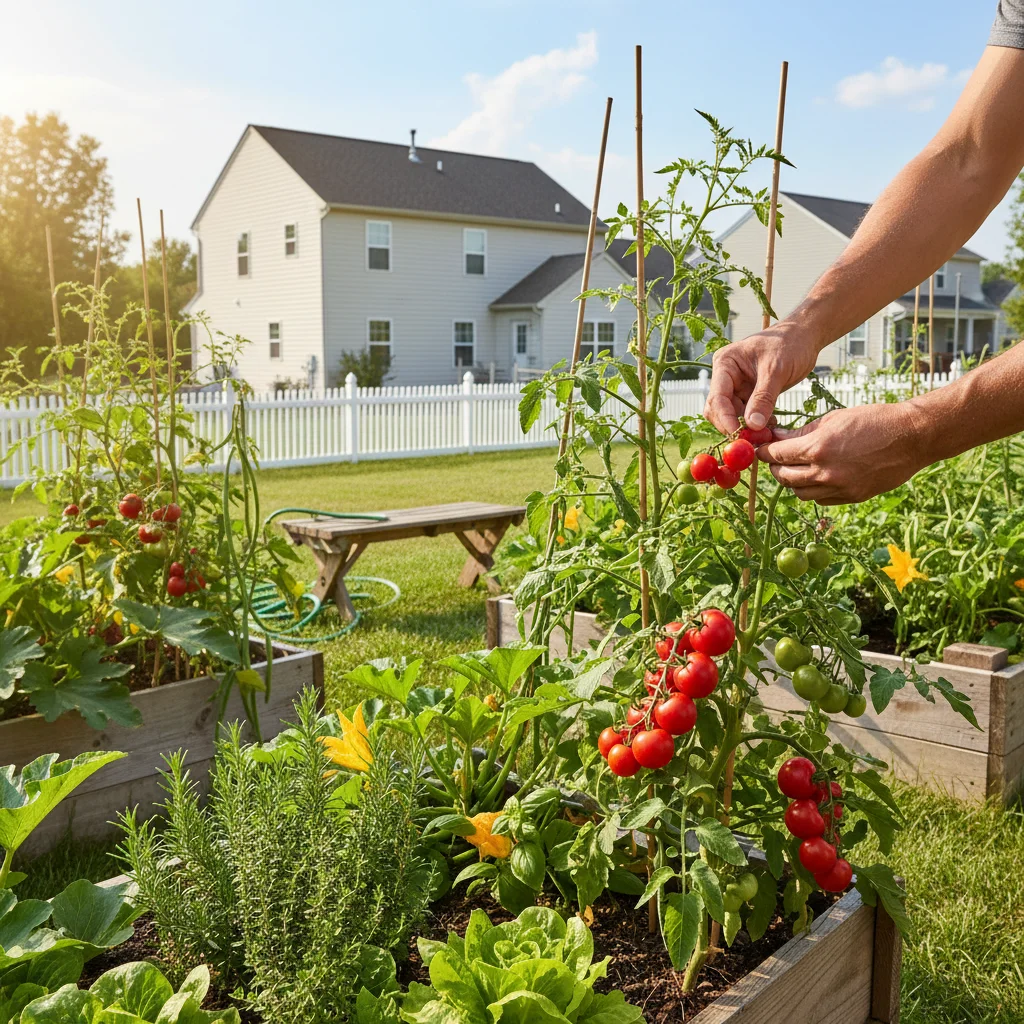
Tomatoes: A garden staple. Homegrown tomatoes are far superior in taste to store-bought, and a single plant can produce many pounds of fruit.
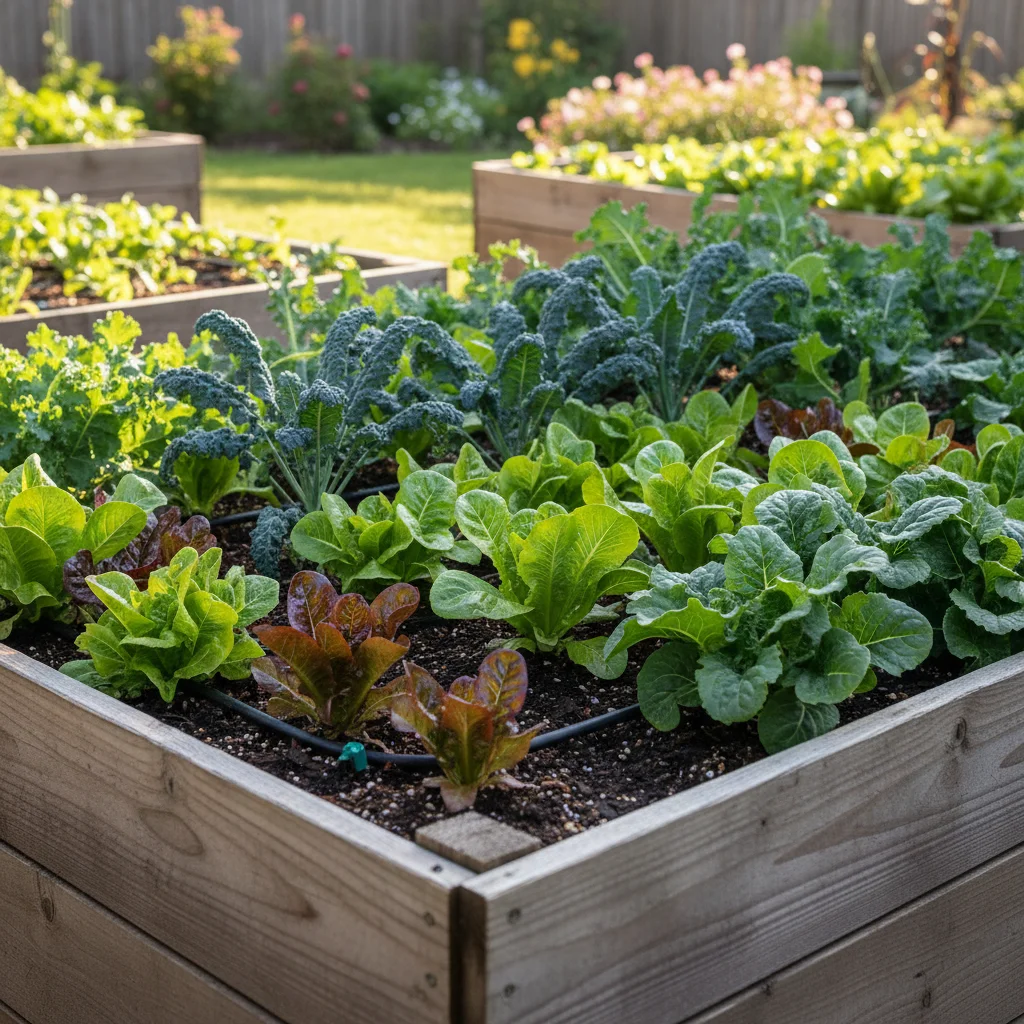
Leafy Greens (Lettuce, Spinach, Kale, Swiss Chard): These are quick-growing, can be harvested multiple times, and are often pricey in stores, especially organic varieties.
Herbs (Basil, Cilantro, Parsley, Mint, Thyme, Rosemary): Fresh herbs are expensive to buy in small quantities. Growing your own means a constant supply for cooking and can be done in small pots.
Zucchini/Summer Squash: Prolific producers! One or two plants can often provide more than enough for a family.
Bush Beans: Relatively easy to grow, good yield, and a great source of protein.
Cucumbers: Excellent for salads and pickling. They grow well on trellises, saving space.
Peppers (Bell and Hot): Similar to tomatoes in care, and homegrown peppers have fantastic flavor.
Think about what your family eats most often. If you consume a lot of berries, consider planting some berry bushes if you have the space. The goal is to replace store-bought produce with your own, maximizing your savings when you grow your own food.
Essential Tools and Materials for Your First Garden
You don’t need to break the bank to start gardening. A few basic tools and materials will suffice for a beginner’s garden. Focus on quality over quantity, as good tools will last for years.
Basic Gardening Tools:
Hand Trowel: For digging small holes for planting seedlings.
Gardening Gloves: Protect your hands from dirt, thorns, and blisters.
Hand Pruners/Snips: For harvesting and light pruning.
Watering Can or Hose with Spray Nozzle: Essential for consistent watering.
Small Shovel or Spade: If you’re working with a larger bed or breaking new ground.
Containers or Raised Beds:
If you don’t have suitable in-ground space, containers or raised beds are excellent alternatives. They offer better control over soil quality and drainage, and can be placed almost anywhere that gets enough sun.
Containers: Choose pots with drainage holes that are appropriately sized for the mature plant. Fabric grow bags are also an excellent, affordable option.
Raised Beds: Can be built from wood (untreated lumber is best), metal, or even stone. They offer ergonomic benefits and help define your garden space.
Soil and Amendments:
Good soil is the lifeblood of your garden. Don’t skimp here!
Potting Mix (for containers): A high-quality potting mix designed for vegetables will provide good drainage and nutrients.
Compost: The "black gold" of gardening. Mix compost into your garden beds or containers to improve soil structure, fertility, and water retention. You can buy it or even start your own compost pile.
Topsoil/Garden Soil (for raised beds/in-ground): If starting a new bed, you’ll need to fill it with a good blend of topsoil and compost.
Seeds or Seedlings:
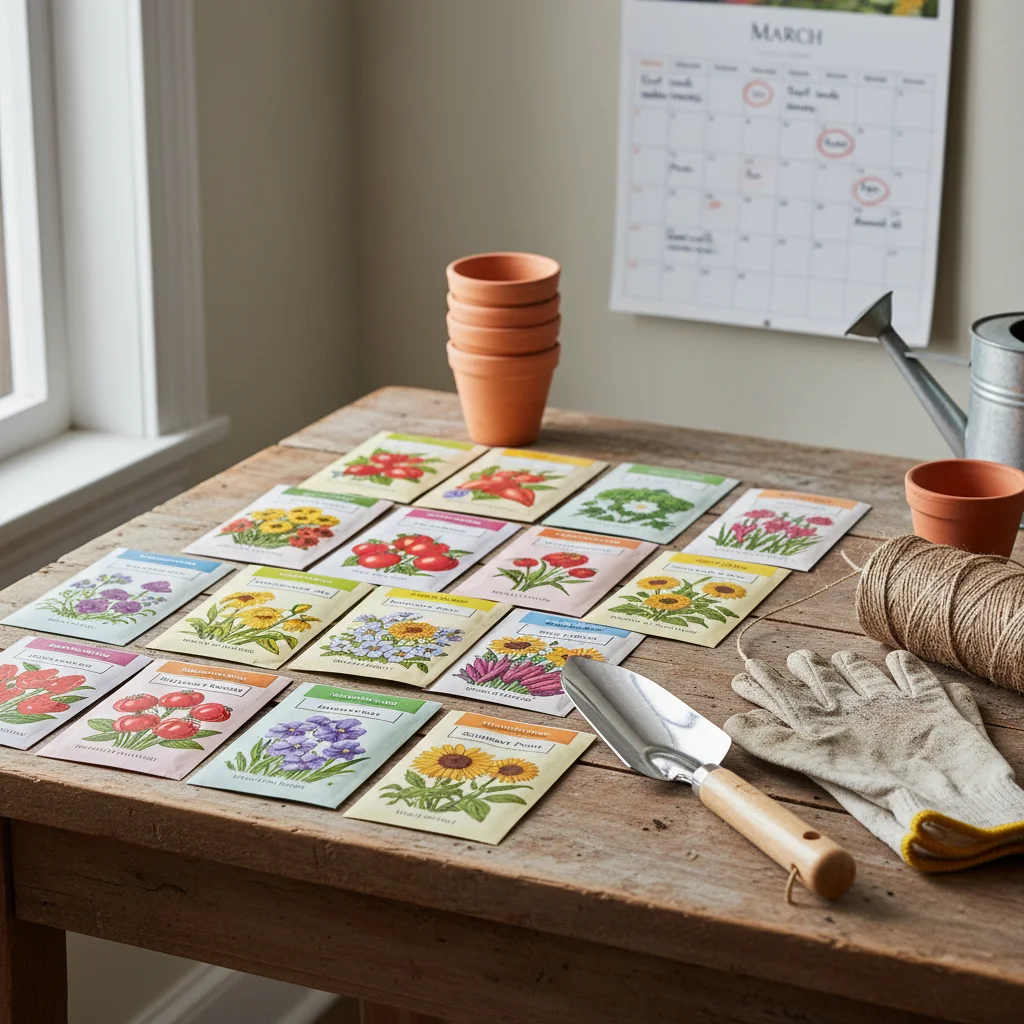
You can start your garden from seeds or purchase young plants (seedlings) from a nursery. Starting from seed is generally more cost-effective, but seedlings offer a head start and can be easier for beginners, especially for plants with longer growing seasons like tomatoes and peppers. To truly maximize your savings and grow your own food from scratch, learning to start seeds indoors is a valuable skill.
Step-by-Step Guide to Planting and Growing
Once your planning is complete and you have your materials, it’s time to get your hands dirty! This section will guide you through the practical steps of planting and nurturing your garden.
1. Prepare Your Soil
Whether in containers or beds, proper soil preparation is paramount. For containers, fill them with a good quality potting mix. For raised beds or in-ground gardens, dig in a generous amount of compost (at least 2-4 inches deep) and mix it thoroughly with your existing soil. This enriches the soil, improves drainage, and provides essential nutrients for your plants to thrive when you grow your own food.
2. Plant Your Seeds or Seedlings
Follow the specific planting instructions on your seed packets or seedling tags. Pay attention to:
Planting Depth: How deep to sow seeds or bury seedling roots.
Spacing: How far apart to place plants to ensure they have enough room to grow without competing for resources. Overcrowding is a common beginner mistake.
Timing: Plant after your last frost date for warm-season crops.
Gently remove seedlings from their containers, loosen any circling roots, and place them in prepared holes. Backfill with soil and water thoroughly.
3. Watering Wisely
Consistent watering is critical, especially for young plants and during dry spells. The general rule of thumb is to water deeply and less frequently, rather than shallowly and often. This encourages roots to grow deeper, making plants more resilient. Check soil moisture by sticking your finger about an inch or two into the soil; if it feels dry, it’s time to water. Early morning is often the best time to water, as it minimizes evaporation and allows foliage to dry before nightfall, reducing the risk of fungal diseases.
4. Fertilizing for Optimal Growth
While good soil preparation provides an initial nutrient boost, most vegetables benefit from supplemental feeding throughout their growing season. Organic fertilizers like compost tea, fish emulsion, or balanced granular fertilizers can provide the necessary nutrients. Follow product instructions carefully to avoid over-fertilizing, which can harm plants. Regular additions of compost to your garden beds can also continually replenish nutrients, which is a great way to sustain your efforts to grow your own food.
5. Pest and Disease Management (Organic Approaches)
One of the joys of growing your own food is avoiding harmful chemicals. When pests or diseases inevitably appear, start with organic and preventative measures:
Inspection: Regularly check your plants for signs of trouble. Early detection is key.
Hand-picking: For larger pests like tomato hornworms or slugs, simply pick them off and dispose of them.
Beneficial Insects: Attract ladybugs, lacewings, and other beneficial insects by planting flowers like marigolds, nasturtiums, and dill near your vegetables.
Companion Planting: Certain plants deter pests. For example, marigolds can deter nematodes, and basil can help repel flies and mosquitoes.
Neem Oil/Insecticidal Soap: Organic sprays can be effective for aphid or spider mite infestations.
Crop Rotation: Don’t plant the same crop in the same spot year after year to prevent disease buildup in the soil.
6. Weeding and Mulching
Weeds compete with your plants for water, nutrients, and sunlight. Regular weeding is essential. Mulching is an excellent way to suppress weeds, conserve soil moisture, and regulate soil temperature. Apply a 2-4 inch layer of organic mulch like straw, shredded leaves, or wood chips around your plants, making sure it doesn’t touch the stems directly.
Maximizing Your Harvest and Savings
To truly achieve that 20% savings goal, you’ll want to optimize your garden’s output and minimize waste. This involves smart harvesting techniques and preservation methods.
Succession Planting
For quick-growing crops like lettuce, radishes, and bush beans, consider succession planting. This means planting small batches every 2-3 weeks rather than planting all at once. This ensures a continuous harvest throughout the growing season, preventing a glut of produce all at once and then nothing. It’s a smart strategy to consistently grow your own food.
Proper Harvesting Techniques
Knowing when and how to harvest can extend your plants’ productivity and improve flavor:
Leafy Greens: Harvest outer leaves as needed, allowing the inner leaves to continue growing.
Herbs: Pinch off sprigs regularly. For bushy herbs like basil, pinch off flower buds to encourage more leaf growth.
Tomatoes/Peppers: Harvest when fully colored and firm.
Zucchini/Cucumbers: Harvest when young and tender for best flavor. If left on the vine too long, they become seedy and less palatable.
Regular harvesting also signals to the plant to produce more, extending your yield.
Preserving Your Bounty
Sometimes your garden will produce more than you can eat fresh. This is a good problem to have! Preserving your harvest ensures you can enjoy your homegrown produce long after the growing season ends, further increasing your savings and making your efforts to grow your own food even more impactful.
Freezing: Many vegetables (beans, peas, corn, blanched greens) and fruits (berries, sliced peaches) freeze beautifully.
Canning: For tomatoes, pickles, jams, and jellies. Requires specific equipment and adherence to safety guidelines.
Drying: Herbs, hot peppers, and some fruits can be dried for long-term storage.
Fermentation: Making sauerkraut or kimchi from cabbage is a delicious and healthy way to preserve.
By preserving your surplus, you’re not just preventing waste; you’re actively extending your savings by replacing store-bought items during the off-season.
Common Challenges and Troubleshooting for Beginner Gardeners
Every gardener, no matter how experienced, faces challenges. Don’t get discouraged! Learning to troubleshoot is part of the gardening journey when you grow your own food.
Yellowing Leaves
Cause: Often indicates a nutrient deficiency (e.g., nitrogen), overwatering, or underwatering.
Solution: Check soil moisture. If dry, water deeply. If consistently wet, improve drainage. Apply a balanced organic fertilizer or compost tea.
Wilting Plants
Cause: Most commonly due to lack of water, but can also be a sign of overwatering (root rot) or extreme heat.
Solution: Check soil moisture. Water if dry. If soil is soggy, allow it to dry out and ensure good drainage. Provide shade during intense heat.
Pest Damage
Cause: Insects chewing leaves, sucking sap, or laying eggs.
Solution: Identify the pest (a quick online search with a picture can help). Implement organic pest control methods like hand-picking, insecticidal soap, neem oil, or attracting beneficial insects.
Poor Fruit Set
Cause: Often due to lack of pollination (common in early season), extreme temperatures, or nutrient imbalance.
Solution: Encourage pollinators by planting flowers. Hand-pollinate some plants (like squash) if needed. Ensure adequate watering and nutrition.
Slow Growth
Cause: Insufficient sunlight, poor soil, lack of nutrients, or incorrect watering.
Solution: Re-evaluate sun exposure. Amend soil with compost. Fertilize appropriately. Adjust watering schedule.
Remember, gardening is a continuous learning process. Keep a simple garden journal to note what you planted, when, what worked, and what didn’t. This will be an invaluable resource for improving your garden year after year and becoming more efficient at growing your own food.
Beyond the Garden: Embracing a Sustainable Lifestyle
Learning to grow your own food is more than just a money-saving tactic; it’s a step towards a more sustainable and fulfilling lifestyle. By cultivating your own produce, you reduce your carbon footprint by minimizing transportation and packaging waste. You also contribute to local biodiversity by supporting healthy soil ecosystems in your own backyard.
The act of gardening itself offers numerous mental and physical health benefits. It provides a connection to nature, reduces stress, and encourages physical activity. The satisfaction of eating food you’ve grown with your own hands is unparalleled, fostering a deeper appreciation for where your food comes from.
As you become more proficient, you might even find yourself sharing your bounty with neighbors, participating in seed swaps, or composting your kitchen scraps to feed your garden. These small actions collectively build stronger, more resilient communities and contribute to a healthier planet. In 2026, making the commitment to grow your own food is not just a personal choice; it’s a step towards a more sustainable future for everyone.
Conclusion: Your Journey to a Bountiful and Budget-Friendly Garden Starts Now
The journey to grow your own food is an incredibly rewarding one, offering fresh, healthy produce, significant cost savings, and a profound connection to the natural world. While it requires dedication and a willingness to learn, the benefits far outweigh the initial effort. By following the steps outlined in this 2026 beginner’s guide – from careful planning and strategic crop selection to proper planting, care, and harvesting – you are well on your way to saving 20% or more on your produce bill.
Don’t be afraid to start small. Even a few pots of herbs on a windowsill or a single raised bed can make a difference. Each successful harvest will build your confidence and inspire you to expand your gardening endeavors. Embrace the learning process, enjoy the fresh flavors, and savor the satisfaction of knowing exactly where your food comes from. Your journey to a more self-sufficient, healthier, and economically savvy lifestyle begins the moment you decide to plant that first seed. Happy gardening!
Matheus Neiva has a degree in Communication and a specialization in Digital Marketing. Working as a writer, he dedicates himself to researching and creating informative content, always seeking to convey information clearly and accurately to the public.